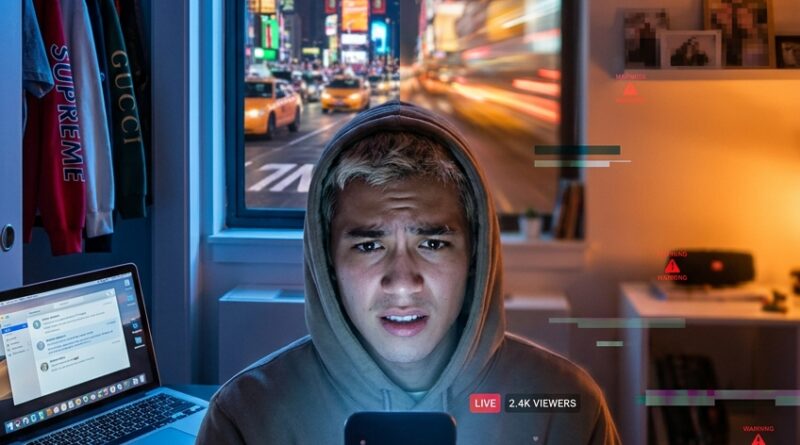
Inside TikTok’s ‘Real-Time Room Tours’ Wave: How Live Home Walkthroughs Quietly Became 2026’s Riskiest New Flex
You are not weird for feeling torn by these videos. One minute a creator is casually walking you from their bed to the kitchen to the front window in one unedited sweep, and it feels honest, almost comforting. The next minute you are spotting a street sign, a mail label, a school logo on a hoodie, and thinking, this is a terrible idea. That tension is exactly why the TikTok live room tour trend is taking off. It looks low effort, raw and relatable, which usually plays well with the algorithm. But it also turns everyday spaces into a map of someone’s real life. For small creators especially, the pressure is sneaky. If polished content feels fake and these messy live walkthroughs get comments and watch time, it is easy to wonder if you should do one too. You can join the style without giving strangers a blueprint to your home.
⚡ In a Hurry? Key Takeaways
- The TikTok live room tour trend feels authentic, but it can expose your location, routines and valuables faster than most people realize.
- If you want the same vibe safely, use a shot list, cover identifying details, avoid windows and outside views, and post after you leave the location.
- The biggest risk is not one dramatic mistake. It is the pileup of tiny clues across multiple videos that can lead to doxxing, stalking or targeted theft.
Why these room tours suddenly feel like they are everywhere
This format fits the current mood of TikTok almost too well. It is fast, intimate and looks unplanned. That matters because audiences are tired of content that feels over-rehearsed. A shaky one-take walkthrough signals, “this is my real life,” even when it is still a performance.
Creators also like it because it is easy to make. No fancy edit. No heavy setup. Just grab the phone and start talking. The barrier is low, which means the trend spreads fast.
That same pattern is what makes a lot of TikTok culture move so quickly. Sometimes it is harmless and weirdly charming, like the surreal mood behind Inside TikTok’s ‘Folk Valley’ Fake‑Town Takeover: How One Uncanny Cat Edit Quietly Turned Imaginary Places Into 2026’s Weirdest New Coping Mechanism. But with real-time home walkthroughs, the trend is not just an aesthetic. It can reveal where you live, when you are alone, what you own and how to find you.
What people are leaking without realizing it
Most users think about obvious stuff first. House number. Street name. License plate. Sure, those matter. But the bigger problem is the pile of smaller clues.
Location clues
A quick pan past a window can show a landmark, a bus stop, a storefront, a unique building or even the angle of a street corner. Reflections in mirrors, TVs and picture frames can show even more than the direct shot does.
Routine clues
Going live from home at the same time every week tells people when you are there. Talking while walking the dog tells them when you leave. Showing the route from bedroom to front door gives a little timeline of your movements.
Valuable-item clues
High-end camera gear. Game consoles. Jewelry trays. Designer bags. Multiple monitors. Smart home gear. You might think you are showing personality. Someone else might be making a shopping list.
Identity clues
Mail on a counter. Kids’ school art. Work badges. Prescription bottles. Pet tags. Calendar notes. Team logos. A dry-cleaning ticket with your last name. Tiny things become big things once paused, zoomed and screen-recorded.
Layout clues
A full walkthrough can reveal entrances, windows, blind spots and how far your bedroom is from the front door. That sounds dramatic until you remember that videos do not disappear when a stranger wants to study them.
Why “it’s only for my followers” is not a real safety plan
This is where people get tripped up. They think the audience is the audience they know. It is not. TikTok is built to push clips well beyond your regular circle. One share can move a video into totally different communities.
Even if your account is small, public content can be downloaded, screen-recorded, reposted or stitched. A live can feel fleeting. It is not. If anything, live content can be riskier because people drop their guard when they are thinking on their feet.
And the algorithm does not care whether the attention is coming from fans, lurkers, local snoops or someone who now knows your block.
The psychology behind why this trend feels so hard to resist
There is a quiet pressure baked into all this. If clean, edited videos feel less personal, and messy room tours get comments like “finally someone real,” creators start learning the wrong lesson. They think more access equals more trust.
That is not always true. Often, what viewers really want is specificity, not exposure. They like seeing your style, your habits, your little systems. They do not need your exact building layout or your front-facing window view to get that feeling.
This is the key distinction. Intimacy in content is not the same as access to your private life.
How to do the trend more safely without looking stiff
You do not need to hide like a spy. But you do need a plan. The safest creators make “casual” videos very deliberately.
Start with a shot list
Before filming, write down exactly what will be shown. Example: bed corner, bookshelf, desk setup, coffee station, outfit mirror. That stops you from drifting into windows, doors, mail piles and random clutter that gives away too much.
Film sections, even if you want a one-take feel
You can still make it look natural. Record in pieces and stitch them lightly, or rehearse the route once before filming. The goal is to remove accidental reveals, not all personality.
Keep windows out of frame
This is one of the easiest wins. Natural light is great. Direct outside views are not. Close blinds, use curtains or frame the shot away from the street.
Remove clue clutter
Do a two-minute sweep before filming. Clear mail, delivery boxes, school papers, lanyards, medicine, key hooks and anything with names or addresses. Also check mirrors and reflective surfaces.
Post later, not live from the moment
If you can, upload after you have left the location or at least after some delay. Real-time posting is useful to the algorithm, but it is also useful to anyone tracking your routine.
Use overlays smartly
Text overlays can help cover tiny details in the background while also guiding attention. Add labels like “desk corner” or “tiny kitchen storage hack” so viewers focus on the topic, not the surroundings.
Avoid showing the path from inside to outside
This is a big one. Bedroom-to-front-door tours are satisfying to watch, but they reveal layout in a way single-room clips do not. If you want a home feel, stay within one area.
A safer shot formula that still works on TikTok
If you like the trend but not the risk, try this formula:
Zone 1: The personality corner
Show a bookshelf, vanity, record shelf, gaming setup or plant stand. Give viewers details they can talk about.
Zone 2: The function corner
Show a storage solution, kitchen shelf, charging station or cleaning setup. Practical content keeps people watching.
Zone 3: The texture shot
Close-ups of bedding, lighting, wall art, mugs, notebooks or fabric can keep the cozy vibe without revealing space layout.
This gives you the same “come hang out in my space” energy without accidentally mapping your home.
For parents, roommates and partners, the risk is shared
One person’s casual room tour can expose other people too. A roommate’s work schedule on a whiteboard. A child’s name on a backpack. A partner’s medication on a nightstand. If you share a space, filming choices affect everyone in it.
It is worth setting some basic house rules. Which rooms are off-limits. What items never appear on camera. Whether outside views are banned. That sounds formal, but it prevents arguments later.
What small creators should remember about brand safety
If you are hoping to grow, this matters beyond personal security. Brands increasingly watch for judgment, not just reach. A creator who overshares dangerous details can look unpredictable. That does not mean being boring. It means showing you understand boundaries.
Ironically, safer content can make you look more professional while still feeling warm and real.
Red flags that mean do not post the clip
If any of these show up, stop and re-record.
- You can see outside clearly through a window.
- Your building entrance, hallway or floor number appears.
- Mail, labels or paperwork is readable.
- A child’s school name or routine is visible.
- The clip reveals when you are home alone or away.
- You show expensive items together in one easy sweep.
- The route from sleeping area to exit is obvious.
If you have already posted too much
Do not panic, but act fast. Delete or archive the clips. Review your older posts together, not one by one, because clues often stack across videos. Check your bio, tagged locations and comments for personal details. Tighten privacy settings where you can.
Also search your username on TikTok and other platforms to see if clips have been reposted. If they have, report them. It is annoying, but better to know than assume the content vanished.
At a Glance: Comparison
| Feature/Aspect | Details | Verdict |
|---|---|---|
| Live unedited full-room walkthrough | Feels authentic and often boosts engagement, but can expose layout, routine and location clues in real time. | Highest risk. Avoid unless you control the frame tightly. |
| Pre-recorded partial tour with overlays | Lets you trim mistakes, cover identifying details and keep the cozy, personal vibe. | Best balance for most creators. |
| Close-up “corner” or “setup” video | Shows style and personality without revealing windows, exits or the full home layout. | Safest option that still fits the trend. |
Conclusion
The TikTok live room tour trend safety question is not overblown. It is basic common sense catching up to a format that makes oversharing look normal. The line between relatable and reckless is getting thinner as creators chase attention, and a lot of people are leaking far more than they mean to with every casual camera pan. The good news is you do not have to disappear or post like a robot. With a simple shot list, smarter framing, a delay before posting and a habit of checking for hidden clues, you can keep the intimacy people like without handing over a map to your life. That is the real value here for everyday users and small creators. Join the trend if you want. Just do it in a way that does not feed future doxxing, stalking or break-ins.