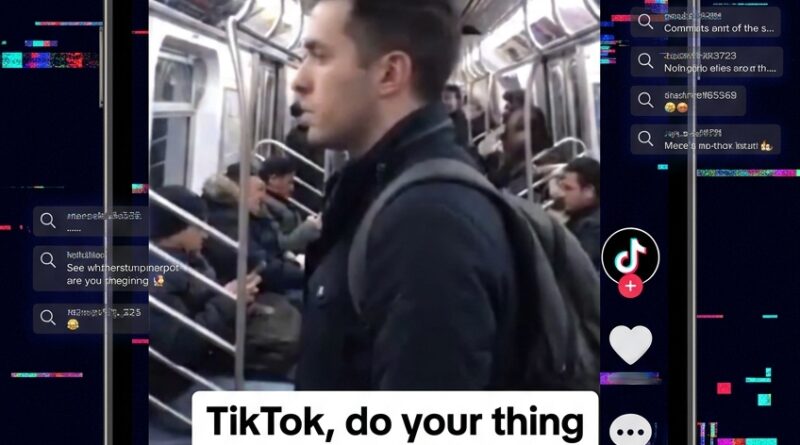
Inside TikTok’s ‘TikTok, Do Your Thing’ Doxxing Frenzy: How Crowd‑Sourced Sleuthing Quietly Became 2026’s Scariest New Viral Game
You have probably seen it happen without thinking too hard about it. A shaky clip shows a stranger in a parking lot, on a plane, at a gym, or walking out of a store. Then comes the caption, “TikTok, do your thing.” Within minutes, the comments fill with guesses, maps, LinkedIn profiles, license plate scraps, and people cheering each other on like it is a game. That is the part that feels unsettling. It looks like internet teamwork. It feels like justice. But a lot of the time, it is just crowd-sourced doxxing with better lighting and trending audio. The TikTok do your thing trend has turned ordinary users into volunteer investigators, and the target does not get a warning, a defense, or a second chance. If you have felt weird watching it but could not quite explain why, you are not overreacting. This trend is bigger, faster, and riskier than it looks on your For You Page.
⚡ In a Hurry? Key Takeaways
- The TikTok do your thing trend is basically crowd-sourced identification, and it can quickly slide into harassment or doxxing.
- If you are pulled into one of these videos, do not comment guesses, share personal details, or repost. Report it and lock down your own public info.
- Even when a clip looks obvious, online crowds get people wrong all the time, and the damage can stick long after the video is gone.
What the “TikTok, do your thing” trend actually is
At its core, this trend is a public request for internet sleuthing.
Someone posts a video of a person they want identified, tracked down, exposed, or “held accountable.” Sometimes it is framed as a safety issue. Sometimes it is revenge. Sometimes it is plain curiosity. The crowd then starts connecting dots from tiny scraps of information.
A store logo in the background. A street sign. A college hoodie. A tattoo. A reflection in a window. A friend-of-a-friend claim in the comments.
That is why it spreads so easily. People love solving puzzles. Social apps are built to reward participation. Add outrage, and the whole thing catches fire.
Why it feels harmless at first
The format is sneaky because it borrows the look of older internet habits people already accept.
It looks like teamwork
People are not kicking down a door. They are typing. That makes the behavior feel softer than it really is.
It borrows the language of justice
Captions often suggest the crowd is helping a victim, catching a scammer, or exposing bad behavior. Sometimes that is true. A lot of the time, the facts are shaky, cropped, or flat-out missing.
It moves too fast for doubt
Once thousands of people are guessing at once, hesitation starts to feel like disloyalty. If everyone else is “helping,” stopping to ask basic questions can feel weirdly out of step.
Why this trend got so big in 2026
This did not appear out of nowhere. It is the result of a few internet habits crashing into each other.
Short video makes context disappear
A 20-second clip can make anyone look guilty, creepy, rude, or dangerous. Without the minutes before and after, viewers fill in the blanks with emotion.
Comments now act like a live investigation board
The comments section is not just a reaction space anymore. It is where the “case” gets built. One person spots a location. Another finds a profile. Another names an employer. Suddenly the comments become the story.
Virality rewards escalation
If a mild guess gets likes, a stronger accusation gets more. The system quietly pushes the most dramatic version upward.
We have seen this pattern in lighter trend cycles too, where repetition makes a small joke feel huge. That is part of why weird internet formats spread so fast, whether it is a dangerous sleuthing pile-on or something playful like Inside TikTok’s ‘Six, Seven’ Sound Obsession: How A Throwaway Starbucks Clip Quietly Became Gen Alpha’s New Personality Test. The difference is that this time, the target is a real person whose life can be blown up by strangers.
When crowd-sourced sleuthing becomes doxxing
This is the line people keep pretending is fuzzy. It usually is not.
It becomes doxxing when users share or piece together identifying personal information without the person’s consent, especially in a way that invites harassment. That can include:
- Full names
- Workplaces
- Home addresses
- Phone numbers
- Family details
- School names
- License plate details
- Links to private or semi-private accounts
Even if no one posts a home address outright, pointing thousands of angry viewers toward a person’s job, social accounts, or neighborhood can do real damage. People can lose work, face threats, or get mistaken for someone else entirely.
The biggest problem is how often the crowd gets it wrong
This is the piece that should make everyone pause.
The internet is terrible at uncertainty. Once a likely answer appears, people start treating it like confirmed fact. Then screenshots spread, reposts multiply, and corrections arrive way too late.
Sometimes the wrong person has a similar face. Sometimes a “match” comes from an old profile picture. Sometimes a joke comment gets mistaken for inside knowledge. And sometimes people simply want to be the hero who cracks the case first.
There is no appeals desk for that kind of mistake. A stranger can wake up to thousands of comments calling their employer because another stranger guessed wrong under a viral video.
Why regular people should care, even if they never post
Because you do not need to be famous to become searchable.
Most people leave little breadcrumbs online without realizing it. A public Instagram account. A running club photo. A business profile. A Venmo username. A tagged birthday post. A neighborhood Facebook group comment.
In isolation, these bits seem harmless. Combined by a motivated crowd, they can identify you surprisingly fast.
Your face is now searchable by context, not just by name
People do not need formal tools to narrow you down. Your shoes, your city, your gym wall, your dog’s name, and one friend tag can be enough.
Private life can become public drama in hours
A bad date, an argument at a store, a weird parking lot misunderstanding, or one awkward clip can be turned into a public trial before you even know the video exists.
How to protect yourself from the TikTok do your thing trend
You cannot disappear completely, but you can make yourself harder to map.
Audit your public profiles
Search your own name, username, phone number, and old handles. See what a stranger can find in five minutes.
Hide location clues
Check bios, public posts, tagged photos, and highlights for workplace names, school logos, car plates, apartment signs, and regular hangout spots.
Lock down friend lists and tags
Friends and family often reveal more than you do. Review who can tag you, mention you, or connect your accounts.
Be careful with niche usernames
If you use the same unusual username everywhere, one account can lead to all the others.
Use separate public and private accounts
If you post for work, keep that presence distinct from your personal life when possible.
Act fast if you are targeted
Take screenshots. Save links. Report the content. Ask friends not to argue in the comments, because that often boosts visibility. If personal details are posted, contact the platform and, in serious cases, local authorities or a lawyer.
What to do if a friend sends you one of these videos
This is where normal people can change the culture a little.
Do not join the hunt
Even a “harmless guess” helps the machine.
Ask basic questions
Do we know the full story? Is there proof? Is this identifying someone or actually helping anyone?
Refuse to share personal info
Never post names, jobs, school details, or social links under one of these clips.
Encourage reporting instead of detective work
If the video shows a real crime or real danger, the answer is proper reporting, not a comments section manhunt.
What platforms are getting wrong
Apps are still treating this like a moderation side issue when it is really a format issue.
The problem is not just one bad post. It is the way design choices turn comments into collaborative identification tools. A video can avoid saying “dox this person” while clearly inviting the crowd to do exactly that.
And because the post may look vague on its face, moderation often arrives after the damage is done.
How to talk about it without sounding dramatic
If you want language for the next group chat, keep it simple.
- This is not just gossip. It is crowd-sourced identification.
- The internet gets people wrong all the time.
- Posting clues about someone’s real identity can put them at risk.
- If there is a real safety issue, it belongs with authorities or the platform, not random commenters.
You do not need a law degree or a cybersecurity lecture. Most people understand the problem once you say it plainly.
At a Glance: Comparison
| Feature/Aspect | Details | Verdict |
|---|---|---|
| What the trend does | Turns comments into a crowd investigation to identify or expose someone from a short clip. | High risk, because context is thin and personal info spreads fast. |
| Why people join in | It feels like solving a puzzle, helping a victim, or being first with the answer. | Understandable impulse, but a bad reason to post identifying details. |
| Best response | Do not comment clues, report harmful posts, and reduce your own public digital breadcrumbs. | The safest and smartest move. |
Conclusion
The TikTok do your thing trend matters because it is not just another weird feed obsession. It is a cultural shift toward treating strangers like open-source puzzles, and the human cost lands off-screen. Right now this crowd-sourced sleuthing format is exploding across TikTok and Reels, turning everyday moments into public trials in a matter of hours. The good news is that once you can name what is happening, you are less likely to get pulled into it. You can protect your own information, push back when a comments section starts crossing lines, and still understand why your feed is obsessed with it. That is the real value here. The next time a friend says, “have you seen this crazy TikTok, help me find this guy,” you will have a better answer than just joining the hunt.