Inside Jimothy-core: How One Deformed Raccoon Quietly Became Gen Z’s New Religion Of The Internet
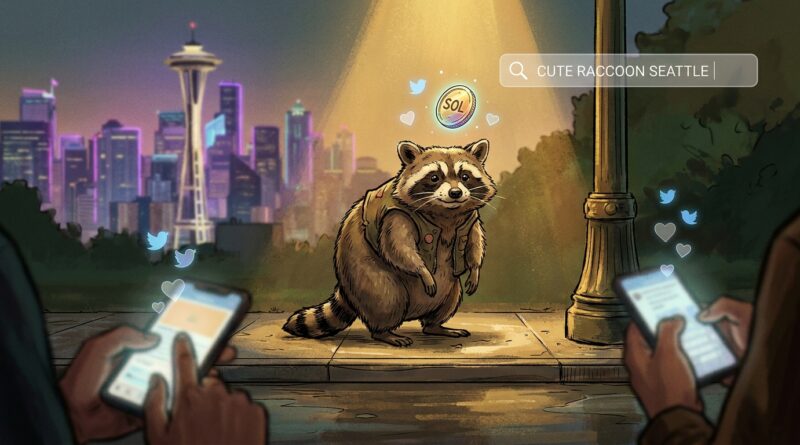
You are not imagining it. One minute your feed was normal, and the next it felt like everyone had agreed that a strangely round, slightly busted-looking raccoon named Jimothy mattered. A lot. That can be annoying if you feel like you missed a meeting. It can also be confusing when the joke stops being just a joke and starts pulling in city pride, fan art, fake religions, brand stunts and even meme coin chatter. So let’s clear it up. Jimothy did not blow up just because he was cute. The real story is that he landed at the perfect moment for a very online generation that is tired of polished influencers, hungry for shared symbols and weirdly ready to organize around an animal that feels accidental, local and emotionally low-stakes. If you want the short version, Jimothy is less a meme and more a case study in how internet culture now builds community, identity and money around vibes first, meaning second.
⚡ In a Hurry? Key Takeaways
- Jimothy the raccoon meme took off because it mixed local charm, imperfect-cute visuals and anti-influencer energy into one easy symbol people could remix fast.
- If you build communities, watch for accidental mascots that spark fan language, inside jokes and repeatable visuals across TikTok, X, Instagram and merch.
- The danger is assuming every viral animal is harmless. Once money, civic pride and brand attention show up, the joke can turn into a real power center overnight.
Jimothy the raccoon meme explained, in plain English
Jimothy is not just “that raccoon people like.” He became a shared character. That’s the key difference.
The internet gets thousands of cute animal clips. Most flare up and vanish. Jimothy stuck because people did not just watch him. They assigned him meaning. He became a mascot for a mood. Scrappy. Round. A little deformed. Weirdly noble. Local but universal. The kind of creature that looks like it survives on dumpster snacks and destiny.
That made him perfect for Gen Z humor, which often loves sincerity and irony at the same time. People can say “we worship Jimothy” as a joke, but also sort of mean it. Not in a literal religion way. More like a soft cult of affection, repetition and belonging.
Why this raccoon hit harder than a million other animal memes
1. He looks memorable in half a second
Good memes need instant recognition. Jimothy has that. You do not need context. His shape alone does part of the work. He is not a generic raccoon. He is that raccoon.
That matters on fast feeds. If an image reads clearly in a tiny thumbnail or a reposted screenshot, it travels better.
2. He feels discovered, not manufactured
People are tired of content that looks focus-grouped. Jimothy feels found. He seems like internet treasure, not a mascot built by committee. That gives fans a sense of ownership. They got there before the brands did, or at least they want to believe they did.
3. He is imperfect, which makes him trustworthy
This is a big one. Polished human influencers now come with baggage. Sponsorships. Scandals. performance. Exhaustion. A slightly odd raccoon asks for less emotional labor. You can project onto him without feeling manipulated.
Jimothy reads as authentic because he is not trying to sell you a morning routine.
4. He can stand for a place without feeling corporate
Once a local animal starts getting adopted as a city symbol, things move fast. People love a hometown icon, especially one that is funny and humble instead of official and boring. Jimothy can represent Seattle-style internet civic pride without looking like tourism branding.
That gives the meme a second life. It stops being only funny and starts becoming symbolic.
The rise of the “soft cult” internet mascot
When people say Gen Z builds communities differently, this is part of what they mean. A soft cult is not a real cult. It is a loosely organized fandom with ritual behavior.
Think about the ingredients:
- Repeated phrases and inside jokes
- Fan art and edits
- Ironically intense devotion
- Lore that grows by reposting
- A symbol anyone can use
- No single person fully in charge
That last part is important. Human influencers often sit at the center of their own audience. Jimothy-style fandoms are more distributed. The crowd is the engine. One person may post the original image, but the culture gets built by thousands of little acts of remixing.
That makes the whole thing feel more democratic, even when it gets messy.
Why Gen Z keeps choosing animals over people
Because animals are easier to believe in.
That sounds silly, but it is true. Human internet fame now feels over-optimized. Every creator seems one apology video away from collapse. Animal mascots dodge that problem. They can hold attention without asking fans to track every opinion, sponsorship or personal crisis.
An animal also works as a blank canvas. Fans can make Jimothy mean coziness, rebellion, city pride, anti-corporate humor, economic absurdity or all of the above.
It is fandom with less homework.
How Jimothy became more than a meme
From image to identity
The turning point for any meme is when people start using it to say something about themselves. Posting Jimothy is no longer only sharing a funny raccoon. It can signal taste. Internet fluency. Regional pride. A certain kind of online softness mixed with chaos.
At that point, the meme becomes social shorthand.
From identity to asset
This is where founders and creators should pay attention. Once a mascot becomes identity glue, money follows. Sometimes that means shirts and stickers. Sometimes local events. Sometimes fake products. Sometimes actual products. And yes, sometimes meme coins and speculative nonsense.
Not because the raccoon changed, but because attention became organized enough to monetize.
From asset to politics
Here is the part most shallow trend pieces miss. A civic mascot, even a jokey one, can get wrapped up in real-world debates. Who gets to use it. Which brands are welcome. Whether the city embraces it. Whether locals feel protective. Whether outsiders turn it into cringe.
Once pride enters the picture, the meme has stakes.
What brands see when they look at Jimothy
Brands do not see a raccoon. They see concentrated attention with low customer-acquisition cost.
That is why they start circling with “subtle” easter eggs, reactive posts and limited drops. They want to borrow the energy without looking late. The problem is that internet communities can smell fake participation instantly.
If a company treats Jimothy like a sticker to slap on a campaign, it will probably get roasted. If it shows real fluency, maybe donates locally, maybe supports the actual community that built the joke, it has a better shot.
The golden rule is simple. Do not interrupt the ritual. Join it carefully.
How to spot the next Jimothy before everyone else does
If you run a community, publish online or build early-stage products, this is the practical part.
Look for visual stickiness
Can people recognize the subject instantly? If you crop the image badly or repost it with text over it, does it still read? If yes, it has mascot potential.
Watch for remix velocity
Virality is nice. Remixing is better. If people are making edits, fancams, lore posts, reaction images and local references, the meme is becoming infrastructure.
Notice tone ownership
Every durable meme develops a house style. With Jimothy-type fandoms, it is often affectionate, faux-religious, slightly absurd and weirdly sincere. When the crowd starts protecting that tone, the community is maturing.
Track cross-platform spread
If it only works on one app, it may fade fast. If it jumps from TikTok to X to Instagram to Discord and into real-world merch or event posters, it is growing roots.
Pay attention when locals get involved
The moment a city, neighborhood or school starts claiming the mascot, the meme gets durability. It now has offline backup.
What creators and founders should actually do
First, do not force your own Jimothy. You cannot manufacture accidental magic on command.
Second, when your audience starts an in-joke around a symbol, do not smother it with official messaging. Give it room. Reflect it back lightly. Let the community lead.
Third, separate community value from cash value. The fastest way to kill a beloved mascot is to monetize before the culture has settled. If people feel extracted from, they leave or turn hostile.
Fourth, document the lore. Not in a stiff corporate way. Just keep track of the phrases, moments, remixes and visual cues people care about. That is your real playbook.
The risk side nobody likes to talk about
Soft cults feel cozy until they collide with money.
Meme coins, knockoff merch, fake official accounts and “partner” drops can muddy the waters fast. Fans may not know what is real. Opportunists move in. The joke gets overbuilt.
This is where communities need a little grown-up structure. Not to ruin the fun, but to protect it. Clear unofficial versus official channels. Basic scam warnings. A light touch on moderation. Think neighborhood block party, not corporate rebrand.
So, what is Jimothy really?
Jimothy is a raccoon, sure. But culturally, he is also a test.
He tests whether a generation raised on irony still wants symbols to gather around. It does. He tests whether people trust flawed mascots more than polished humans. They often do. He tests how fast attention turns into identity, and identity into commerce. Very fast, it turns out.
Most of all, he shows that internet power now forms around things that feel emotionally safe but socially rich. A deformed raccoon can carry a shocking amount of meaning because people need places to put their affection that do not feel exhausting.
At a Glance: Comparison
| Feature/Aspect | Details | Verdict |
|---|---|---|
| Why it spread | Instantly recognizable image, imperfect-cute appeal, easy to remix, low-pressure emotional buy-in | More durable than a one-day cute animal clip |
| What it became | A meme, a local mascot, a fandom symbol, a monetizable attention hub and a pride marker | This is community infrastructure, not just a joke |
| What to do with the lesson | Watch for accidental symbols, support remix culture, avoid rushing monetization, prepare for brand and scam attention | Useful for creators, founders and community managers |
Conclusion
Jimothy matters because he shows how the internet works now, not because a raccoon suddenly replaced organized religion. Today the web is flooded with Halloween listicles and surface-level Jimothy costume ideas, but almost no one is clocking the deeper shift: this raccoon is a live stress-test of how fast Gen Z can turn a totally accidental animal into a multi-platform civic mascot, a speculative asset and a kind of cozy anti-influencer spirituality all at once. If you understand that pattern, you can spot the next Jimothy before it goes municipal, use the same community dynamics in your own niche and avoid getting blindsided when a throwaway joke starts carrying real money, pride and politics. That is the real value here. Not just understanding the meme, but understanding the machine that built it.