Inside TikTok’s ‘Lock‑In Season’ Wave: How Proving You’re Focused Quietly Became Gen Z’s New Flex On Discipline
If your TikTok feed suddenly looks like a nonstop parade of 5 a.m. alarms, color-coded planners, library selfies and “no excuses” captions, you are not imagining it. The tiktok lock in season trend is everywhere, and for a lot of people it feels less motivating than exhausting. Half the clips promise discipline. The other half look like a neatly edited performance of discipline. That is the tension at the center of this wave. Young people are not just trying to focus. They are being pushed to show they are focused, publicly, constantly, and in ways that fit the internet’s idea of self-improvement. That can help some people build better habits. It can also turn ordinary goals into a stage show where rest looks lazy and quiet progress does not count. If you have felt inspired and judged by this trend at the same time, that reaction makes perfect sense.
⚡ In a Hurry? Key Takeaways
- The tiktok lock in season trend is really about public proof of discipline, not just private focus.
- Use the helpful part of the trend by setting one real goal and one offline routine instead of copying somebody else’s aesthetic.
- Be careful of burnout. If tracking and posting your progress makes you feel worse, the system is not helping you.
What “lock in season” actually means
On the surface, “locking in” sounds simple. It means getting serious. Cutting distractions. Studying harder. Hitting the gym. Saving money. Working on a side hustle. Saying no to nonsense.
That part is not new. Every generation has had its own version of “get it together.” What is new is the pressure to package that effort into content.
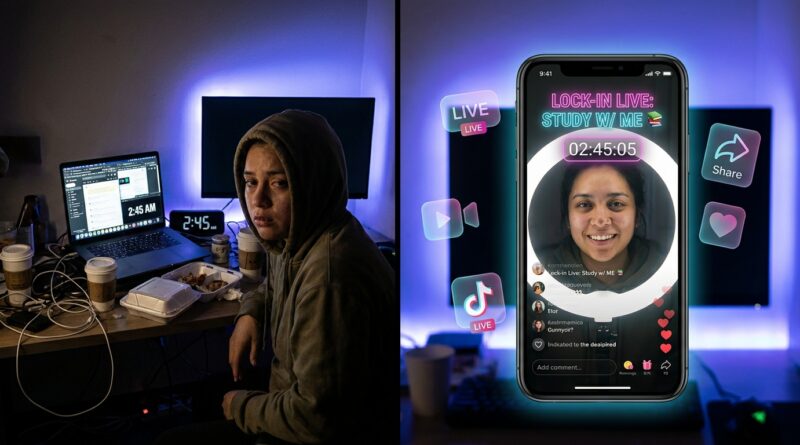
On TikTok, locking in often comes with a visual script. Early wake-up shots. Meal prep. laptop screens. Timers. sweat. captions about sacrifice. The message is clear. I am focused. I am not wasting my life. Watch me prove it.
That is why this trend has spread so fast. It taps into a very real fear among Gen Z and younger millennials. Fall behind now, and it feels like everyone will see it.
Why this trend hits so hard right now
A lot of young people feel like they are living in permanent catch-up mode. Rent is high. Jobs feel shaky. Attention spans are shredded. Social media makes every stranger look productive, fit, booked and financially smarter than they probably are.
So when a trend comes along that says, “Stop scrolling. Fix your life. Lock in,” it lands.
It offers control in a moment when a lot of things feel out of control. That is part of the appeal. There is comfort in a plan, a routine, a challenge, even a harsh one.
It gives people a story about themselves
“I am in my lock-in season” is more than a productivity slogan. It is an identity. It tells the world, and maybe more importantly tells yourself, that you are taking your future seriously.
That can be powerful. It can also get slippery fast. Once discipline becomes part of your online brand, it gets harder to admit when you are tired, stuck or just having a normal off week.
When focus turns into productivity theater
This is the part many viewers can feel but struggle to explain. Some lock-in content reflects genuine effort. Some of it is basically productivity cosplay.
Productivity theater is when the appearance of discipline starts to matter more than the discipline itself. The perfect desk setup gets more attention than the work. The “day in my life” edit becomes the task. The post about the workout starts to replace the workout.
That does not mean everyone is faking it. It means social platforms reward visible effort, not always useful effort.
TikTok especially loves routines that look clean, dramatic and easy to copy. It is the same pattern we have seen in style and editing trends. If your feed already feels strangely synchronized, that is because internet culture loves templates. You can see a similar copy-paste effect in Inside TikTok’s ‘Pixel Stretch’ Comeback: How A 2008 Photo Trick Just Became Gen Z’s Favorite Reality Warp, where a recycled visual trick spread because people liked the look, not because it changed reality. Lock-in content can work the same way. It gives the feeling of transformation before transformation has actually happened.
The good side of public accountability
To be fair, there is a reason this trend does help some people.
Public accountability can work. Posting your study goals may make you more likely to follow through. Joining a livestream study session can reduce procrastination. Sharing gym milestones can build community. For people who feel isolated or overwhelmed, a visible routine can be the nudge that gets them moving.
There is nothing fake about using the internet for support.
What healthy accountability looks like
Healthy accountability usually has a few signs:
You still make progress when nobody is watching.
You can miss a day without spiraling.
Your routine fits your actual life, not an influencer’s camera angle.
You feel steadier, not constantly guilty.
If posting helps you stay consistent, great. The trick is making sure the post supports the habit instead of replacing it.
The hidden downside nobody wants to say out loud
The tiktok lock in season trend quietly raises the bar for what “trying” looks like. It is no longer enough to work on yourself. Now it can feel like you have to document the work, optimize the work, aestheticize the work, then compare your version to everyone else’s.
That creates a weird emotional tax.
Suddenly a normal study session seems unimpressive because it was not filmed. A decent workout feels weak because it did not start before sunrise. Rest starts to look suspicious. Fun starts to feel wasteful.
That is where burnout sneaks in. Not just from doing too much, but from needing your discipline to be visible enough to count.
Why teens and twenty-somethings feel this pressure more intensely
Younger users have grown up online. For many of them, identity is already something partly shaped in public. School, friendships, style, humor, politics, hobbies, even healing can become content.
So of course discipline is becoming content too.
The problem is that private growth usually looks boring. It is repetitive. Messy. Slow. Some days it is invisible. Social media is not built to reward that kind of process.
How to tell if you are “locking in” or just performing it
Ask yourself a few blunt questions.
1. Would I still do this if I could not post it?
If the answer is no, the content may be driving the habit more than the goal is.
2. Is this helping me finish something real?
Studying for an exam, sticking to a budget, training for a race, cleaning up your sleep schedule. Those are real targets. “Looking productive” is not.
3. Do I feel focused or just watched?
Some people thrive with accountability. Others feel trapped by it. Know which one you are.
4. Am I building a routine I can keep?
A seven-day burst of motivational chaos is not the same as a habit. If your system only works when you are hyped, it probably will not last.
How to use the trend without letting it use you
You do not have to reject the whole thing. You just need to separate the useful parts from the pressure campaign.
Pick one goal, not a total life overhaul
Lock-in videos often bundle everything together. Better body, better grades, better skin, better income, cleaner room, less screen time, more reading. That is a setup for failure.
Choose one lane first. One.
Keep at least part of your progress offline
This matters more than people think. Try a private notes app, paper planner, or simple checklist. Let some wins belong only to you.
Measure outcomes, not aesthetics
Did you study for 45 solid minutes? Great. Did you save money this month? Great. Did you go for a walk three times this week? Great.
Those count even if your desk was messy and the lighting was terrible.
Build in rest before you “earn” burnout
Discipline without recovery usually falls apart. A good routine includes sleep, breaks and room for being human.
Mute content that turns motivation into shame
If certain creators always leave you feeling behind, lazy or defective, that is useful information. Curate your feed. Motivation that humiliates you is not motivation.
What this trend says about online culture
Lock-in season is bigger than productivity. It reflects how internet life keeps turning private effort into public identity. You are not just asked to improve yourself. You are asked to show that you are improving yourself, in the correct format, with enough consistency to satisfy an audience.
That is why the trend feels both inspiring and a little bleak.
It offers structure, but it also sharpens surveillance. Sometimes self-surveillance. You become the manager, employee and camera crew of your own self-improvement project.
That does not mean the trend is all bad. It just means we should call it what it is. Not pure discipline. Not pure fakery. A mix of genuine ambition, social pressure, habit-building, branding and fear of falling behind.
At a Glance: Comparison
| Feature/Aspect | Details | Verdict |
|---|---|---|
| Private focus | Doing the work for your own goals, even when nobody sees it. | Best long-term foundation. |
| Public accountability | Posting progress, joining live sessions or sharing routines to stay on track. | Helpful in moderation. |
| Productivity theater | Making discipline look convincing online without much real progress underneath. | Looks good, burns time, often leads to frustration. |
Conclusion
The reason this conversation matters is simple. “Locking in” has jumped from a niche meme to a full-blown cultural pressure campaign, pushing teens and twenty-somethings to livestream their study sessions, gym runs and side hustles as proof they are not wasting time. Once you can name what is happening, it gets easier to make smarter choices. You can keep the parts that genuinely help, like structure, community and accountability, while dropping the parts that turn discipline into a performance. Real focus does not need perfect lighting. Real progress does not always look impressive on camera. If this trend helps you build a life that feels calmer, stronger and more doable, use it. If it mainly makes you feel watched, rushed or never enough, step back. Your goals still count, even when nobody hits like.