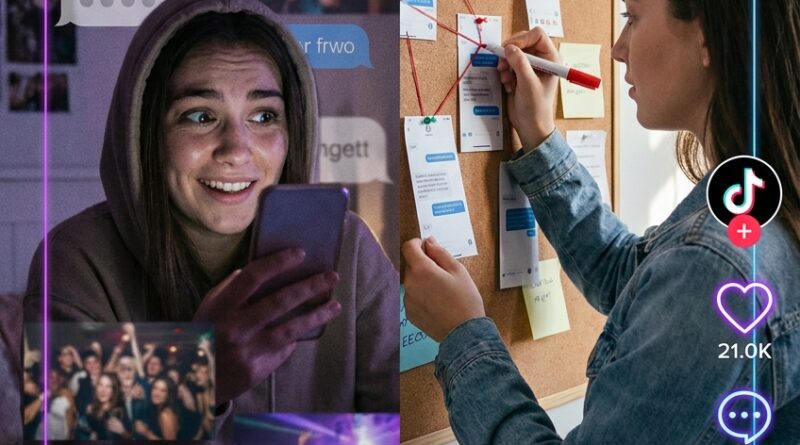
Inside TikTok’s ‘It’s A Clock’ Wave: How One Hindsight Sound Quietly Became Gen Z’s New Way To Admit They Missed The Signs
That stomach-drop moment is horrible. You replay a text, a joke, a weird look across the room, and suddenly it hits you three days, three months or three years later. Oh. That was flirting. That was shade. That was a warning. TikTok’s “it’s a clock” trend has exploded because it turns that exact delayed realisation into something people can laugh at, admit out loud and learn from. Instead of pretending they always understood the vibe in real time, users are posting the moments they totally missed, then pairing them with the audio as a kind of late-arriving lightbulb. That is why this trend is landing so hard. It gives people language for a very specific kind of regret. More importantly, it offers a low-pressure way to talk about social blind spots in dating, friendships and work, without making every missed cue feel like a personal failure.
⚡ In a Hurry? Key Takeaways
- The “it’s a clock” TikTok trend is basically people admitting they only understood a hidden meaning later, whether it was flirting, an insult or a warning sign.
- Use the trend as a prompt to review patterns, not just cringe. Ask what clue you missed, why you missed it and what you will notice faster next time.
- Not every awkward moment needs detective work. The trend is helpful for reflection, but overanalysing every interaction can make things worse.
What is the “it’s a clock” TikTok trend?
If you came here searching for its a clock tiktok trend explained, here is the simple version. People use the sound to confess a moment they did not understand when it happened, but now see clearly in hindsight.
The format is usually short and brutally relatable. A creator shares a story or text overlay about something confusing from the past. Then comes the punch. They now realise what was really going on.
That “clock” idea matters because in Gen Z slang, to “clock” something means to notice it, catch it or correctly read the situation. So when people say they “didn’t clock it,” they mean the signs were there and they missed them.
This is why the trend feels bigger than a joke. It is really about delayed understanding.
Why this trend is blowing up now
TikTok loves a format that is easy to copy, but this one has extra staying power because it hits a nerve almost everyone has felt.
It turns embarrassment into a shared experience
Missing a signal can make you feel silly. Seeing thousands of other people confess the same thing takes some of that sting out. Suddenly it is not just your awkward story. It is a whole category of human experience.
It gives people words for messy social moments
A lot of trends are pure mood. This one actually names a pattern. That is useful. People are not only saying “this happened.” They are saying, “I understand now what kind of thing this was.”
It fits the current TikTok mood
Recent TikTok waves have been less about polished perfection and more about trying on identities, reframing old memories and making sense of your own story. You can see a similar self-explainer energy in Inside TikTok’s ‘Cute Little X Transformation’ Wave: How One Slow-Crouch Edit Quietly Became Gen Z’s New Way To Try On Identities, where the trend becomes a script for testing who you are. “It’s a clock” does something close, except the identity being tested is your past self. It asks, what was I not seeing back then?
The three big versions of “it’s a clock” posts
Once you watch a few of these, you start seeing the same categories over and over.
1. Missed flirting
This is the most popular version. Someone shares a memory like a classmate always finding reasons to sit next to them, a coworker offering suspiciously personal compliments or a date basically spelling out interest, and only later do they realise it was obvious.
These posts are funny because the clues look huge in hindsight. In the moment, though, people often explain them away. They assume the other person is just nice, joking or being friendly.
2. Missed shade
Another common type is realising someone was not being kind at all. Maybe it was a backhanded compliment, a fake-concern comment or a joke with teeth. At the time it slid past. Later it lands differently.
This version can be more emotional because it is not just about romance. It is about self-protection and self-respect.
3. Missed warnings
This is the most useful category. People look back at friendships, work situations or relationships and realise the red flags were there early. They just did not know how to read them yet.
That is where the trend stops being random entertainment and starts being practical.
Why people miss the signs in the first place
It is tempting to watch these videos and think, how did they not see it? But most missed signals happen for pretty ordinary reasons.
You are busy managing the moment
When something is happening in real time, your brain is juggling tone, facial expression, your own nerves and what to say next. Hindsight is always cleaner.
You assume the best
A lot of people are trained to be polite and give others the benefit of the doubt. That can be a good quality, until it keeps you from recognising disrespect or mixed signals.
You lack a label for what is happening
This is a huge one. If you do not yet have language for love-bombing, negging, passive-aggression or office politics, the pattern can feel fuzzy. You sense something is off, but you cannot name it.
You did notice, but dismissed yourself
Sometimes people actually do clock a weird feeling, then talk themselves out of it. That is different from missing the sign completely. It is more like overriding your own read.
How to use the trend as a practical toolkit
This is the part worth keeping after the scroll ends. You can use the “it’s a clock” trend to get better at spotting patterns earlier.
Ask: what was the clue?
Strip the story down. Was it the words, the timing, the repetition, the inconsistency, the body language? If you can identify the clue, you can recognise it faster next time.
Ask: why did I miss it?
Were you nervous? Young? Flattered? Trying to avoid conflict? New to the workplace? This matters because it helps you separate “I am bad at this” from “I did not have the context yet.”
Look for repeats, not one-offs
One odd comment might mean nothing. A pattern usually means something. If the same kind of confusion keeps showing up with a person, clock that.
Check with someone you trust
If you are unsure whether you are reading a situation right, ask a grounded friend. Not the one who turns every text into a crime scene. The one who can calmly say, yes, that sounded flirty, or no, that boss comment was not normal.
Practice saying clarifying questions out loud
You do not always have to silently decode people. Sometimes the best move is to ask. “What do you mean by that?” is underrated. So is “Are you joking, or are you serious?”
Where the trend helps, and where it can go sideways
There is a healthy version of this trend, and then there is the spiral version.
The helpful version
You learn from old moments. You build better pattern recognition. You stop blaming yourself for not knowing then what you know now.
The unhelpful version
You start over-reading everything. Every delayed reply becomes rejection. Every vague comment becomes a secret attack. That is not insight. That is anxiety wearing detective glasses.
The goal is not to become suspicious of every human interaction. The goal is to get a little clearer, a little earlier.
What “it’s a clock” says about Gen Z communication
This trend is also a window into how Gen Z processes social life online. A lot of younger users are trying to sort through mixed signals in public, using trends as templates for private confusion.
That may sound dramatic, but it fills a real gap. Many people do not get taught how to spot manipulative behaviour, soft rejection, passive aggression or real interest. So they learn by swapping examples.
That is a big reason this audio works. It gives people a shared script for a feeling they already had but could not neatly explain.
At a Glance: Comparison
| Feature/Aspect | Details | Verdict |
|---|---|---|
| What the trend means | Users revisit old moments and admit they only now understand the hidden meaning. | Simple format, very relatable |
| Best use in real life | Spotting repeated cues in dating, friendships and work, then learning what to ask or notice sooner. | Actually useful beyond TikTok |
| Main risk | Turning reflection into overthinking and assuming every unclear interaction has a hidden motive. | Helpful in moderation |
Conclusion
The reason this trend matters is not just that it is funny. It gives people a way to say, “I missed it, but I get it now,” and that is more useful than it sounds. Right now the feed is full of vibes but light on language for what actually happened to people. “It’s a clock” works because it turns hindsight into a script people can use. If you take anything from it, let it be this. Missing a sign does not make you foolish. It gives you a pattern to recognise sooner next time, whether that is in dating, friendships or work. That is a lot better than just doomscrolling everyone else’s missed moments.