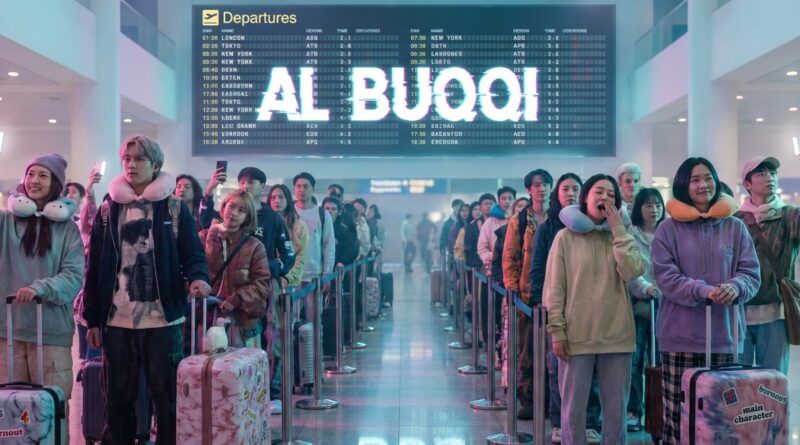
Inside TikTok’s ‘Al Buqqi Pilgrimage’ Wave: How One Fake Destination Quietly Became Gen Z’s New Way To Turn Coping Into A Field Trip
If your TikTok feed suddenly looks like a budget travel channel for a place called “Al Buqqi,” you are not behind, and you did not miss some real tourism craze. That confusion is the whole point. Creators are acting like Al Buqqi is a real destination, a spiritual reset, or a last-ditch escape plan. They pack bags, share “tips,” and talk about going there like it is the answer to burnout. But Al Buqqi is not a real place. It is a fake destination used as a joke, and the joke lands because a lot of people genuinely want to disappear for a bit. That is why this trend feels funnier and sadder than a normal meme. It is not really about travel. It is about stress, money, politics, and the very online feeling that real life has become too much, so people invent an exit door and pretend they can walk through it.
⚡ In a Hurry? Key Takeaways
- Al Buqqi is not a real place. The Al Buqqi TikTok trend explained in one line is this: it is a fake “escape destination” people use to joke about being mentally and financially done.
- If you see travel-style videos about it, read them as satire first. The format copies influencer travel content on purpose.
- The trend matters because it shows how younger users turn burnout, bad news, and feeling stuck into humor that also works like soft protest.
What is Al Buqqi, exactly?
Al Buqqi is a made-up place that lives mostly on TikTok and in the shared imagination of the internet. People talk about it like it is a real city, country, retreat, or pilgrimage site. That fake certainty is what makes the joke work.
The style is usually deadpan. A creator will say they are “finally going to Al Buqqi,” or that everyone should stop asking questions and just book the trip. Other videos treat it like a sacred life reset. Some frame it like a cheap getaway. Others make it sound like exile, healing, or a one-way ticket out of modern life.
So if you were searching for “Al Buqqi TikTok trend explained,” the simple answer is this: it is a pretend destination people use as a meme because “I want to escape everything” is easier to joke about than to say plainly.
Why people are calling it a “pilgrimage”
The “pilgrimage” part is important. It turns a regular meme into a ritual.
Creators are not just naming a fake place. They are building a fake journey around it. Packing videos. Departure announcements. Outfit planning. Little bits of lore. The performance matters as much as the destination.
That ritual does a few things at once:
- It makes private burnout feel collective.
- It turns doomscrolling into participation.
- It gives people a script for saying, “I cannot do this anymore,” without making it too heavy.
Think of it like group improv for stress. Everyone agrees, for a minute, that this place exists. And inside that joke, people get to act out the fantasy of leaving.
Why this trend hit so hard with Gen Z
Because the joke fits the mood perfectly.
Rents are high. Jobs feel shaky. The news is exhausting. Every app is full of crisis, comparison, and a weird pressure to keep performing that you are okay. A fake destination like Al Buqqi gives people a way to say, “I am cooked,” while still being funny enough to post.
That mix of humor and despair is very online, but it is also very real. Younger users often turn stress into bits because bits are easier to carry around than panic. A joke can travel further than a breakdown. It can also invite other people in.
It is not just silliness
There is a tendency to wave this stuff off as random internet nonsense. But trends like this often tell you more about how people feel than a serious post ever could. A fake resort, fake city, or fake country becomes popular because it gives shape to emotions people cannot neatly solve.
Al Buqqi is one of those cases. It is absurd on the surface. Underneath, it is about being boxed in.
How the joke works
Part of the fun is that the trend copies the language of travel content and self-care culture.
You will see familiar formats:
- “Pack with me for my trip to Al Buqqi”
- “POV: you finally made it to Al Buqqi”
- “Things I wish I knew before moving to Al Buqqi”
- “My Al Buqqi itinerary”
This is why the meme can feel so confusing if it hits your feed out of nowhere. It is dressed like practical advice. It looks like lifestyle content. But the destination is fictional, and that gap between serious tone and fake subject is the joke.
Why the deadpan delivery matters
If creators were obviously laughing the whole time, the meme would not have the same punch. The straight face makes it feel half believable for a second. That pause is where the humor lives. It also mirrors how a lot of people talk about burnout now. Calm voice. Thousand-yard stare. Cute tote bag.
Is Al Buqqi tied to one creator or one original post?
Usually with trends like this, people want a clean origin story. One video. One account. One first joke. TikTok rarely works that neatly.
Some memes spread because one creator starts them. Others catch fire because lots of users add to a format at the same time, each making the fake world a little bigger. Al Buqqi feels more like the second kind. Its power comes from repetition and shared commitment, not from one official canon version.
That is also why the meaning can slide around a bit. For some users, Al Buqqi is a paradise. For others, it is closer to a dramatic self-exile. For many, it is simply “the place I go in my head when real life is too much.”
What makes this different from a normal meme?
A lot of memes are just references. You either get them or you do not. Al Buqqi works more like participatory theater.
You do not just repeat the joke. You inhabit it.
That is a big reason it feels strangely real. People are not only reposting a phrase. They are creating scenes, routines, and emotional backstory around it. They are treating fiction like infrastructure.
And honestly, that says a lot about internet culture right now. People do not always want a punchline. Sometimes they want a temporary world to step into.
Why fake places keep showing up online
Because fake places are flexible. They can hold longing, irony, sarcasm, grief, and fantasy all at once.
A fake place also avoids the mess of real-world facts. No one has to agree on geography, politics, visa rules, or whether it would actually be nice there. The destination can be whatever the moment needs it to be.
That makes these trends perfect containers for collective emotion. Today it is Al Buqqi. Tomorrow it will be some invented island, made-up border town, or joke wellness resort with a ridiculous name. The pattern is what matters.
The reusable lens
When you see the next trend like this, ask three simple questions:
- What feeling is this fake place standing in for?
- What kind of content is it parodying, travel, luxury, wellness, productivity?
- Why does pretending feel better than saying the problem directly?
Those questions will get you much closer to the point than asking whether the place is real.
Should you read this as protest?
Soft protest, yes. Not organized activism, but still protest.
When thousands of people joke about leaving for a made-up place because normal life feels impossible, that is a signal. They are not filing policy papers. They are doing something more native to the platform. They are turning frustration into a shared symbol.
That symbol says a few things clearly:
- Life feels unaffordable.
- The future feels unstable.
- People are tired of being told to optimize themselves through structural problems.
Seen that way, Al Buqqi is not escapism instead of commentary. It is commentary through escapism.
How not to get fooled by trends like this
If you are trying to stay fluent in internet culture without getting lost, here are a few useful habits.
1. Check whether anyone is ever specific
Real travel trends come with actual details. Flights. Hotels. Maps. Prices. Location tags that point somewhere consistent. Fake-destination memes stay hazy on purpose.
2. Watch for repeated formats
If dozens of videos use the same “pack with me,” “POV,” or “things I wish I knew” setup, chances are you are looking at a format joke, not firsthand information.
3. Notice the emotional tone
If the comments are full of “take me with you,” “I need this,” or “see you there,” people are often responding to the feeling, not the supposed destination.
4. Do not over-literalize satire
The internet loves acting serious about fake things. That does not mean you are gullible if you were confused. It means the performance worked.
At a Glance: Comparison
| Feature/Aspect | Details | Verdict |
|---|---|---|
| Is Al Buqqi real? | No. It is a fictional place used in TikTok jokes and roleplay-style posts. | Treat it as satire, not travel advice. |
| What the trend is really about | Burnout, escape, money stress, political fatigue, and the wish for a reset button. | More meaningful than it first looks. |
| Why it spread | It borrows familiar travel and self-care content formats, so people can instantly join in. | Easy to copy, easy to remix, easy to feel. |
Conclusion
The big thing to understand here is that Al Buqqi is not just a random joke with a made-up map pin. It is one of the clearest signs of where youth culture is mentally right now. People are so cooked by rent, politics, work stress, and the nonstop news cycle that they are play-acting a one-way trip to nowhere just to feel like there is an exit. That is funny, but it is also a real social signal. Once you see that, the whole trend makes more sense. Better yet, you now have a useful filter for the next fake city, fake resort, or fake country that floods your feed. Ask what pain it is covering, what format it is copying, and why so many people want in on the fantasy. Usually, the answer tells you a lot more about the internet, and real life, than the joke itself.