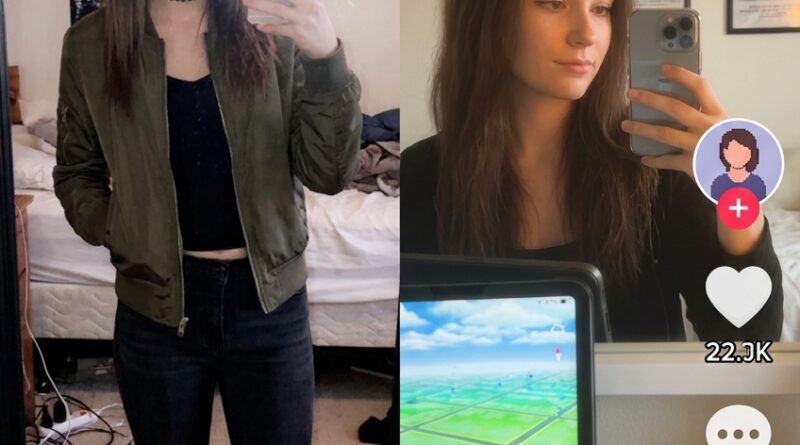
Inside TikTok’s ‘2026 Is The New 2016’ Wave: How Dog Filters And Low‑Effort Posts Quietly Became Gen Z’s New Escape From The AI Internet
If your TikTok feed suddenly feels like an old iPhone camera roll, you are not imagining it. Dog filters are back. Blurry selfies are back. Mannequin Challenge edits, clunky text overlays, chaotic slideshow posts, even that weirdly earnest 2016 energy are back. And yes, it feels a little disorienting. Especially because many of the people posting this stuff were too young to really live through the original era. That is exactly why this trend matters. The “2026 is the new 2016” TikTok trend is less about perfect nostalgia and more about escape. A lot of Gen Z and Gen Alpha are tired of the polished, optimized, slightly uncanny internet that AI helped speed up. So they are reaching for something messier, sillier, and more obviously human. What looks low effort on the surface is actually a pretty clear reaction to the pressure of looking flawless online all the time.
⚡ In a Hurry? Key Takeaways
- The “2026 is the new 2016” TikTok trend is Gen Z using mid-2010s aesthetics as a break from the polished, AI-heavy internet.
- If you want to join in, post casually. Use imperfect photos, old-school filters, simple edits, and sincere captions instead of trying too hard.
- The biggest value here is cultural. Messy, human content currently feels safer and more trustworthy than glossy, overproduced posts.
What “2026 is the new 2016” actually means
The search term 2026 is the new 2016 TikTok trend explained sounds a little dramatic, but the idea is simple.
Users are posting like the internet has looped back ten years. Not literally, of course. Nobody thinks Vine is coming back tomorrow. But the vibe is returning. People are making content that feels older, looser, and less edited. Think Snapchat-dog-filter energy. Think songs from the mid-2010s. Think “I made this in five minutes and that is the point.”
The trend says something bigger than “2016 was fun.” It says the current internet can feel exhausting. Too clean. Too strategic. Too fake. When every post looks like it was tested, generated, optimized, and polished to death, a sloppy slideshow starts to feel weirdly comforting.
Why this is hitting so hard right now
1. The AI internet is making people miss obvious humanity
A big part of this wave is backlash. People can feel when the internet is becoming too smooth. AI-generated captions, AI images, AI headshots, AI comments, AI everything. Even when those tools are useful, they create a sameness. You scroll long enough and everything starts to feel airbrushed.
That is why low-effort content suddenly carries emotional weight. A badly cropped photo or an awkward clip says, “A real person made this.” It is the online version of handwriting.
2. Mid-2010s culture feels emotionally safer
For older Gen Z and millennials, 2016 nostalgia has a sting to it. It reminds them of a messier internet, but also a simpler one. Before every hobby needed a personal brand. Before every face needed perfect lighting. Before every joke got turned into content strategy.
For younger users who do not fully remember that era, 2016 works more like myth than memory. It feels carefree. It feels unserious. It feels like a time when posting was for fun, not performance.
3. Trend cycles are getting shorter and weirder
The internet now recycles aesthetics at high speed. A style barely disappears before it comes back with a new caption and a wink. That is why one week you get office-core minimalism and the next week your feed looks like a middle school sleepover in 2016.
You can see the same pattern in micro-trends around sounds and tiny social cues. A good example is Inside TikTok’s ‘Six, Seven’ Sound Obsession: How A Throwaway Starbucks Clip Quietly Became Gen Alpha’s New Personality Test. The details change, but the behavior is the same. Young users are turning random, unserious bits into identity markers.
What this content usually looks like on your FYP
If you are trying to spot the pattern, here are the most common signs:
- Dog filters, face filters, and obviously fake old app effects
- Slideshows with flash photography, mirror selfies, or blurry friend photos
- Throwback songs from 2014 to 2017
- Mannequin Challenge callbacks and other recycled challenge formats
- Captions that feel unserious, overly sincere, or intentionally corny
- Edits that look simple on purpose, not because the creator does not know better
The key detail is intent. This is not accidental laziness. It is deliberate anti-perfection.
Why younger users are reviving an era they barely lived through
This is the part that throws older viewers. Why would someone nostalgic for 2016 be someone who was in kindergarten then?
Because internet nostalgia does not work like family nostalgia. You do not need personal memories for an aesthetic to feel meaningful. You just need enough clips, songs, screenshots, and references to build a mood around it. For younger users, 2016 is almost like a fan-made version of the past. It is less history and more shared fantasy.
That fantasy says people used to be less filtered, less anxious, and less managed online. Whether that memory is fully accurate is almost beside the point. It feels true enough to be useful.
Why brands keep missing the point
Plenty of brands see this and think, “Great, let’s make a fake retro campaign.” That usually falls flat.
The problem is that this trend is not really about old fonts or old songs. It is about tone. Users are craving posts that feel human and unguarded. If a brand recreates 2016 with a full production team, expensive color grading, and six rounds of approvals, the audience can smell it instantly.
This is one of those moments where less polish is not just acceptable. It is important.
What works better for brands
Show behind-the-scenes clips. Use a phone camera. Let someone on the team talk like a real person. Keep edits light. Do not force slang. Do not make every post look like it is trying to win an award.
In other words, stop making “content” for a second and start posting like a person again.
A simple playbook for creators who want to join the trend
Do this
- Use casual photos and videos that look lived-in, not overplanned
- Pick music that feels emotionally tied to the mid-2010s
- Use simple text overlays, old filter looks, and imperfect crops
- Keep the joke or mood clear. One good idea beats ten effects
- Be sincere. A little cringe is fine. That is part of the charm
Avoid this
- Overexplaining the trend in the caption
- Using every retro reference at once
- Making it so polished that it looks like an ad pretending not to be an ad
- Talking down to younger users for “not getting 2016 right”
If you are over 25 and want to participate, your best move is not to cosplay as a teenager. Just use the mood honestly. Post the blurry photo. Use the awkward memory. Let it be a little embarrassing.
Why this trend feels comforting and sad at the same time
That mixed feeling is real. Older Gen Z and millennials are not just seeing a throwback. They are seeing a version of the internet that feels gone. Back when feeds were less monetized, less optimized, and less consumed by performance metrics.
So when a 2016-style slideshow pops up, it can land as both funny and weirdly emotional. Comforting because it feels familiar. Sad because it reminds you how much online life has changed.
You are not just missing dog filters. You are missing lower stakes.
At a Glance: Comparison
| Feature/Aspect | Details | Verdict |
|---|---|---|
| Core meaning | A return to 2016-style posting as a reaction to polished, AI-shaped internet culture | More cultural reset than simple nostalgia |
| What performs well | Messy slideshows, old-school filters, sincere captions, casual humor, low editing pressure | Human beats polished right now |
| Risk of getting it wrong | Overproducing the trend, forcing nostalgia, or sounding like a marketer chasing youth culture | Keep it light or skip it |
Conclusion
The big reason to pay attention to this trend is that it gives a name to that strange déjà vu feeling every time a 2016 slideshow lands on your FYP. It explains why mid-2010s nostalgia suddenly feels safer than the AI-perfect present. For creators, it offers a clear playbook. Be casual. Be imperfect. Be recognizably human. For older Gen Z and millennials, it helps explain why this era can feel both comforting and a little painful. And for brands, it is a useful warning that glossy campaigns are not always what people want right now. Sometimes the post that wins is the one that looks like a real person made it in thirty seconds, because a real person probably did.