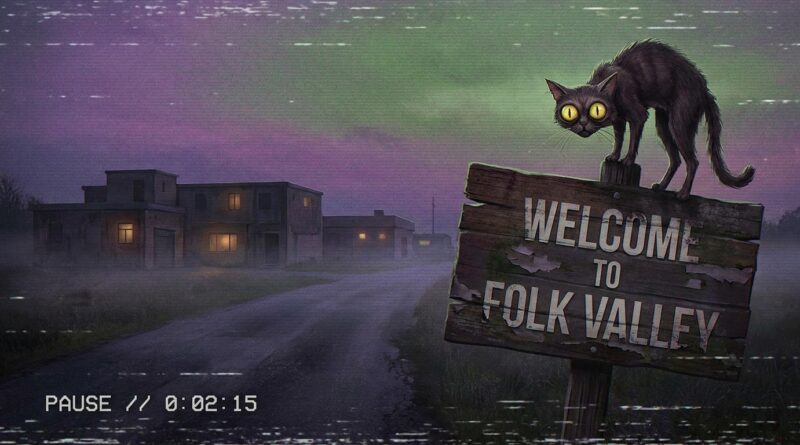
Inside TikTok’s ‘Folk Valley’ Fake‑Town Takeover: How One Uncanny Cat Edit Quietly Turned Imaginary Places Into 2026’s Weirdest New Coping Mechanism
You are not crazy if the Folk Valley stuff feels like it appeared out of nowhere. One day your feed is normal. Next day it is full of eerie welcome signs, fake town maps, unsettling cat edits, and people talking about places that do not exist like they grew up there. If you have been wondering whether Folk Valley is a real town, a horror bit, or just another internet joke that arrived without instructions, that confusion is the point. The Folk Valley TikTok trend is less about one location and more about a shared made-up world people can keep adding to. It gives creators a place to be weird, sad, funny, and dramatic without turning their real life into content. Think of it like collaborative improv dressed up as local lore. Once you see that, the trend stops looking random and starts making a lot more emotional sense.
⚡ In a Hurry? Key Takeaways
- Folk Valley is not a real place. It is a shared TikTok story world built from creepy edits, fake tourism clips, inside jokes, and emotional roleplay.
- If you want to use the format, start with one recurring fake location, one local legend, and one repeatable joke your audience can recognize fast.
- The appeal is emotional, not just ironic. These imaginary towns let people express loneliness, nostalgia, and dark humor with a little distance from their real identity.
Folk Valley TikTok trend explained, in plain English
Folk Valley is a fictional town. Or more accurately, it is a flexible fictional town. Different creators treat it a little differently, but the core idea stays the same. It is a made-up place that feels half local Facebook group, half found-footage tourism ad, half internet campfire story.
Yes, that is three halves. That is also the vibe.
People post “Welcome to Folk Valley” edits, fake travel vlogs, town warnings, cat-centered lore, unsettling community updates, and clips that suggest something is slightly off there. Sometimes it is funny. Sometimes it is creepy. Sometimes it feels strangely tender, like everyone is pretending to live in the same sad little dream town together.
The cat matters because internet culture loves a mascot. A weird cat edit can anchor a whole mood in seconds. It gives viewers a face to attach to the town’s mythology, even if the mythology keeps changing.
Why this trend caught on so hard
People are tired of performing their real selves
For years, social media pushed creators to be “authentic” nonstop. Show your room. Tell your trauma. Explain your routine. Be relatable on command. That gets exhausting fast.
Folk Valley offers a workaround. Instead of saying, “Here is exactly how I feel,” a creator can say, “The mayor of Folk Valley banned mirrors after sunset,” and somehow the emotion still lands. Maybe even harder.
It is confession by detour.
It feels shared, but not exposed
A meme page can be too distant. A personal diary video can feel too revealing. A fake town sits neatly in the middle. You get the comfort of community and the safety of fiction.
That is a big reason the trend has legs. It lets people contribute without needing to hand over their real life.
It turns passive viewers into locals
The best internet formats make people feel like they belong somewhere. Folk Valley does that quickly. The second you understand the joke, you are in on the joke. You are not just watching content anymore. You are visiting a place, even if the place is fake.
That little shift matters. It builds loyalty better than one-off punchlines do.
So what is with the uncanny cat?
The cat is part mascot, part mood board, part glitchy spirit guide. In these kinds of trends, an animal edit can do a lot of work very fast. It is cute enough to pull you in, odd enough to make you uneasy, and flexible enough to appear in comedy, horror, nostalgia, or fake civic updates.
That mix is catnip for TikTok. Literally and figuratively.
The cat also helps make the town feel inhabited. Every imaginary place needs a recurring figure. Traditional stories have tricksters, ghosts, suspicious shopkeepers. TikTok gets a grainy cat with unsettling text over it.
Why imaginary places are becoming a coping mechanism
This is the part a lot of trend coverage misses. Folk Valley is not just “brainrot,” though yes, it wears the clothes of brainrot. Underneath that, it is a low-pressure way to hold difficult feelings.
When people feel lonely, burned out, nostalgic, or emotionally scrambled, they often do not want a giant serious speech. They want a frame. A container. A bit. Something they can step into for a minute.
Imaginary towns work because they contain emotion without naming it too bluntly.
A fake weather report from Folk Valley can carry dread. A local business parody can carry sadness. A town ordinance joke can carry frustration. Fiction creates breathing room.
That is why these posts can feel silly and weird, but still hit a nerve.
How the format works under the hood
1. Familiar structure
Small-town announcements, tourism videos, local legends, neighborhood gossip. These are all formats people recognize instantly.
2. Slight wrongness
The sign is off. The cat stares too long. The music is nostalgic, but creepy. The place feels familiar enough to trust and strange enough to keep watching.
3. Open collaboration
Anyone can add a new landmark, rule, rumor, or event. That keeps the world alive.
4. Repeatable emotional tone
The joke is not one line. It is a feeling. That is why it spreads.
What creators can learn from Folk Valley
If you make content, this trend is useful beyond the joke itself. It shows that audiences are hungry for recurring worlds, not just isolated clips.
You do not need to copy Folk Valley exactly. In fact, please do not make a knockoff with a different font and call it a strategy. Take the lesson instead.
Build a place, not just a post
A fictional apartment building, a fake office park, a cursed suburb, a haunted food court. A simple setting gives you endless room to play.
Give your audience local knowledge
Create repeated references people can recognize. Maybe everyone knows not to visit the parking lot after 9 p.m. Maybe the vending machine predicts bad dates. These little details reward repeat viewers.
Let tone do the heavy lifting
You do not need expensive editing. You need consistency. Pick your mix of funny, eerie, wistful, or absurd, then keep returning to it.
Use fiction to avoid burnout
If every post depends on your real emotions, you will run out of road. Story worlds give you distance. They let you create regularly without making your actual life the product.
How to try this without confusing your audience
There is a sweet spot here. Too vague, and people scroll past. Too explained, and the magic dies.
Start with three anchors
Use one place, one character, and one rule.
For example: “Welcome to Lantern Pines. This is Gary, the goose that runs the pharmacy. Nobody makes eye contact with the moon on Thursdays.”
That is enough to start.
Repeat before expanding
Do not dump twenty pieces of lore in one post. Let people catch up. Repeat the town name. Reuse the same visual style. Mention the same landmark more than once.
Invite participation
Ask viewers what other stores are in town. Stitch other people’s “reports.” Let the audience add landmarks and rumors. The best fictional internet places feel co-owned.
Keep one foot in clarity
You do not have to ruin the bit, but you should make your tone readable. If you are posting horror-style content, avoid making real safety claims or fake news-style panic that could be mistaken for reality.
Is it just another short-lived meme?
The specific name might fade. The specific cat might fade. The bigger pattern probably will not.
Shared fictional environments are a strong fit for the current internet. They are social, remixable, low-cost, emotionally rich, and easier on creators than constant self-exposure. Even when the exact trend cools off, the format will keep showing up in new skins.
So yes, Folk Valley may eventually stop owning your For You page. But the internet’s appetite for fake places with real feelings is not going anywhere.
What to watch for next
You will likely see more “towns,” “districts,” “counties,” “malls,” “schools,” and “transit systems” pop up as mini universes. Brands will probably try to copy this, and most of them will do it badly because they will focus on the joke instead of the emotional texture.
The versions that work will feel like they have local history, recurring citizens, and a reason to exist beyond farming comments.
That is the real test. Does the place feel lived in, even if it is fake?
At a Glance: Comparison
| Feature/Aspect | Details | Verdict |
|---|---|---|
| What Folk Valley is | A collaborative fictional town on TikTok, built through eerie edits, fake local lore, travel-style clips, and recurring mascots like the uncanny cat. | Not real, but socially very real as a shared bit. |
| Why people love it | It lets users express strange, sad, funny feelings without posting direct personal confessionals. | More emotional depth than a normal meme format. |
| Best use for creators | Build a repeatable story world with ongoing lore, recurring characters, and audience participation. | Great for fandom, retention, and lower creator burnout. |
Conclusion
If the Folk Valley TikTok trend has felt baffling, that is understandable. It looks like nonsense until you notice what it is doing for people. This is not just a fake town. It is a pressure valve. A place to stash loneliness, nostalgia, dread, and dark humor without handing over your whole real self to the algorithm. That is why these imaginary locations hit harder than they should. They feel safer than a confessional and more personal than a generic meme. If you understand that shift, you can stop treating the trend like random noise and start seeing the opportunity in it. Build a little world. Test a character. Start a running local joke. Let your audience become regulars. Done well, that kind of shared fiction can create stronger community, less burnout, and the rare thing every creator wants now: people who come back not just for content, but for the feeling of a place.