Inside TikTok’s ‘NPC Chat Overload’ Wave: How Hijacked Livestreams Quietly Became Gen Z’s New Experiment In Controlling People Online
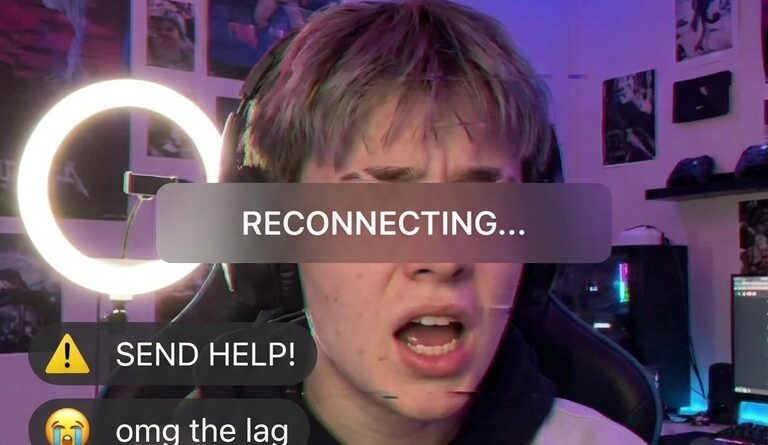
You have probably seen the clip by now. A TikTok creator starts an NPC livestream routine, chat begins firing the same sound triggers and gift prompts over and over, and within seconds the whole performance turns into digital pile-on chaos. If that felt weirdly intense for “just a meme,” you are not overthinking it. The reason this npc livestream chat takes over trend is spreading so fast is that people are not only watching a character anymore. They are testing how far a crowd can push a real person before the script breaks. That is what makes this version hit differently. It is funny to some viewers, stressful to others, and revealing for everyone. What looks like silly repetition is really a live experiment in control, consent, pressure and attention. Once you see that, these streams stop looking random. They start looking like the future of interactive entertainment, for better and for worse.
⚡ In a Hurry? Key Takeaways
- This trend is blowing up because viewers are not just watching. They are collectively overpowering the format and forcing the creator off-script in real time.
- If you join these lives, pace your comments and gifts. Repeating the same trigger nonstop can push a stream from playful to overwhelming fast.
- The big issue is not cringe. It is whether the creator still has real control once the crowd discovers it can break the performance.
What is actually happening in this viral NPC livestream wave?
At the basic level, NPC livestreams are performance loops. A creator picks a character, voice, gesture set and reaction script. Viewers then send comments, gifts or sound-linked prompts to trigger responses.
That part is not new. What is new in this breakout version is the overload. Chat figures out which trigger creates the funniest, loudest or most disruptive reaction, then chains it relentlessly. The creator tries to keep the bit going, but the rhythm falls apart. Sentences get cut off. Reactions stack on reactions. The performance becomes less roleplay and more crowd stress test.
That is why people keep clipping and reposting these streams. The “moment” is not the NPC act itself. It is the collapse.
Why this feels bigger than a meme
Most memes are simple. You see the joke, you get the joke, you move on.
This trend sticks because it exposes something people already sense across the internet. Audiences now have much more direct control over creators than they used to. Not just through likes or follows, but through live inputs that can shape the content second by second.
In older livestream culture, a chat could be noisy. In this format, chat can become the format.
That is the shift.
From performer to puppet, at least for a minute
When viewers realize they can force repeated phrases, derail pacing, or make a creator choose between keeping up and giving up, the stream becomes a game about control. Some people play gently. Others immediately test the outer limits.
Gen Z especially is fluent in this kind of participatory internet behavior. They are used to remix culture, irony, chain reactions and turning the audience into co-authors. So when a platform offers a live “press button, get human response” setup, people do not just watch. They experiment.
Why the breakdown clip spreads faster than the normal stream
A clean NPC performance can be impressive, but a broken one is more shareable. It has tension. It has escalation. It has a clear before-and-after story in under 30 seconds.
That makes it perfect for repost accounts and reaction pages.
There is also a social layer. Viewers love feeling like they spotted the exact second the crowd went too far. It gives the clip a kind of “you had to be there” energy, even when watched later.
So the algorithm gets three things it loves. Strong reactions, easy context, and comments arguing over whether the crowd was funny or cruel.
How this connects to the bigger NPC content boom
If this all feels like an extension of a larger trend, that is because it is. The NPC format has already been moving from one-note repetition into something more interactive and story-driven. A good primer is Inside TikTok’s ‘NPC Story Stream’ Wave: How Live Roleplay Characters Quietly Turned Comment Sections Into 24/7 Interactive TV, which explains how comment sections started acting less like audience chatter and more like a live control panel.
This overload variant is basically the next stage. Instead of helping build the story, chat tries to overwhelm the system.
What this says about power, consent and crowd behavior
This is the part a lot of reposts skip.
Not every creator in these streams is helpless. Many know exactly what they are doing. Some build their whole model around chaos, repetition and pushing the bit to the limit. But that does not mean every moment of overload is harmless or fully welcome.
There is a difference between a creator inviting interaction and a crowd discovering it can overpower them.
Consent in livestreams is not always obvious
Online, people often assume that if someone started a stream, they agreed to whatever happens in it. That is too simplistic.
A creator may be fine with trigger A being used occasionally, but not 400 times in a minute. They may welcome playful chaos, but not harassment disguised as participation. They may have a script designed for interaction, but not for total loss of control.
The problem is that crowd behavior scales fast. One viewer repeating a prompt is nothing. Ten viewers feels like a joke. A thousand doing it at once can break the entire stream.
The internet loves systems it can game
Once people notice that a stream has pressure points, they start testing them. Which gift interrupts fastest? Which phrase causes a reset? Which sound gets the biggest visible reaction? This is not just trolling. It is gamified crowd behavior.
And platforms reward it, because visible reaction creates more watch time.
Why the npc livestream chat takes over trend is getting attention right now
Timing matters. Audiences are already primed for interactive content. TikTok Live, Twitch chats, creator challenges and donation-triggered reactions have trained people to expect feedback loops. The difference here is speed.
Everything happens instantly. You do not vote and wait. You type or gift, and the human on screen reacts now.
That creates a weird mix of comedy and power. It feels low-stakes because the content looks silly. But it also feels high-stakes because a real person is clearly trying to keep up with machine-speed crowd demands.
That tension is why clips from the last 24 hours have spread so quickly.
How to watch these streams without becoming part of the problem
You do not need to avoid the format completely. But it helps to watch with a little more awareness.
1. Notice whether the creator still seems in control
Are they steering the bit, setting limits and recovering smoothly? Or do they look rattled, exhausted or unable to complete a sentence?
If it is the second one, the stream may have crossed from interactive fun into overload.
2. Do not spam the same trigger just because everyone else is
This is where crowds get strange. People stop feeling individually responsible because they are one comment in a flood. But the pile-on is made of individual choices.
If you would not yell the same phrase in someone’s ear 200 times in person, maybe do not do the digital version either.
3. Support creators who set boundaries
It is a good sign when a creator slows chat down, ignores certain triggers or clearly says what they will and will not do. That does not ruin the fun. It is how this format stays sustainable.
4. Remember that clipped chaos is not the whole story
The repost you saw was probably the most extreme 20 seconds of a much longer stream. Viral clips can make total breakdown look normal when it may have been the outlier moment.
What creators can learn from this trend
For creators, this wave is a warning and an opportunity.
The opportunity is obvious. Interactive formats create strong engagement, repeat viewers and lots of clip-worthy moments.
The warning is that any reaction system can be hijacked once enough people understand its weak points.
Smart ways creators may adapt
Expect more streamers to add buffers between chat and response. That could mean slower trigger windows, stricter moderation, limited-use reactions, subscriber-only controls or rotating scripts that are harder to spam into collapse.
In other words, creators will likely keep the fun part of “control the human” while trying to remove the pure dogpile part.
Where this is heading next
This will not stay a TikTok-only thing.
Anything that lets audiences trigger visible reactions in real time is a candidate for this kind of takeover. Twitch already has the culture for it. New live apps will copy it. Even AI-avatar streams and virtual creators could be built around controlled chaos from day one.
The likely future is more structured interactivity. Think fewer totally open controls, and more designed systems where viewers can influence the show without smashing it flat.
Because once audiences learn that breaking the script is exciting, every platform has to decide whether to encourage that, limit it or turn it into a feature.
At a Glance: Comparison
| Feature/Aspect | Details | Verdict |
|---|---|---|
| Standard NPC livestream | Creator runs a repeatable character script and reacts to gifts or comments in a controlled rhythm. | Entertaining when the performer keeps the pace. |
| Chat takeover version | Viewers chain the same triggers so aggressively that the creator loses the flow and the bit starts to collapse. | Most viral version right now, but also the most ethically messy. |
| Future “controlled chaos” formats | Creators and platforms add rules, cooldowns and moderation to keep audience input fun without full overload. | Probably the direction this trend goes if it wants to last. |
Conclusion
If the npc livestream chat takes over trend seemed confusing, the short version is this. You are watching a new kind of crowd-powered entertainment, where the real drama is not the character but how much control the audience can grab from the person playing it. That is why these clips feel bigger than simple cringe. They show, in fast-forward, how internet crowds test limits, reward breakdowns and turn participation into pressure. The useful part of understanding this now is that you can watch more clearly, interact more responsibly and spot where this style is heading next. This piece helps the community today by decoding one of the fastest spreading NPC livestream variants in the last 24 hours, where chat chains sound triggers so aggressively that the creator’s whole script collapses live. If we treat it less like throwaway chaos and more like a live lab for power, consent and crowd behavior, we get a much better read on what we are all helping build across TikTok, Twitch and whatever comes after.