Inside TikTok’s ‘NPC Story Stream’ Wave: How Live Roleplay Characters Quietly Turned Comment Sections Into 24/7 Interactive TV
You are not imagining it. One minute TikTok was dance clips, mini-vlogs and hot takes. The next, your screen is full of people saying “ice cream so good” or snapping into the same robotic thank-you loop every time someone sends a gift. It can feel silly at first. A little creepy, even. But if your For You page is suddenly packed with these streams, that usually means a platform shift is underway.
The TikTok NPC live trend explained in plain English is this: creators turned livestreaming into interactive roleplay, where viewers trigger repeated catchphrases and reactions by sending comments and virtual gifts. That small twist changed the whole deal. It gave audiences buttons to press, creators a predictable income model, and TikTok one more reason to keep people watching for way too long. What looks like nonsense is really a new form of live entertainment, part improv show, part vending machine, part social experiment. And yes, brands, creators and regular viewers should pay attention.
⚡ In a Hurry? Key Takeaways
- TikTok NPC lives are interactive roleplay streams where viewers use gifts and comments to trigger repeated character responses, making the chat feel like a live control panel.
- If you are a creator or marketer, watch the structure, not just the meme. The real lesson is that audiences now expect to influence what happens in real time.
- These streams can be profitable and weirdly engaging, but they also raise real questions about burnout, parasocial pressure and what “authentic” even means online.
So what is an NPC story stream, exactly?
NPC stands for “non-player character,” a gaming term for those background characters who repeat the same lines and react in limited ways. TikTok creators borrowed that idea and turned it into a live format.
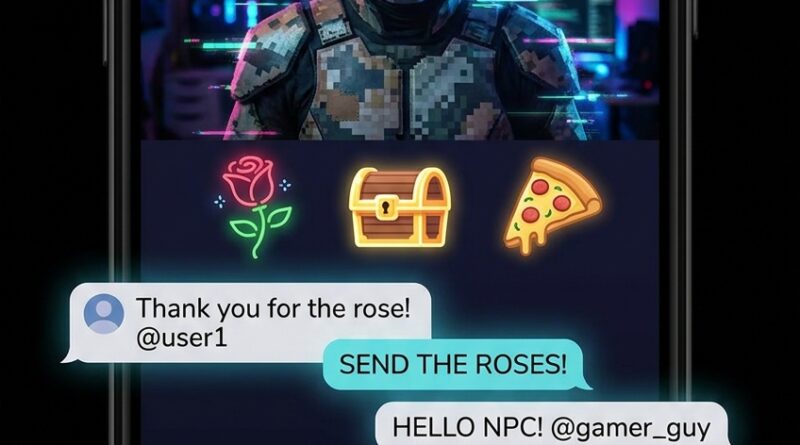
Instead of chatting normally on live, the creator performs as a character. They repeat catchphrases, make exaggerated motions, and react in pre-set ways when viewers send gifts. A rose might trigger one line. A cowboy hat triggers another. A heart might get a wink, a sip from a prop cup, or a phrase the audience already knows by heart.
The “story stream” part comes in when creators build more of a scene around it. Maybe they are a game shopkeeper. Maybe they are a princess in a tower. Maybe they are a glitchy AI receptionist, a streamer trapped in a simulation, or a fantasy tavern owner taking “quests” from the comments.
That is why this has spread beyond the original meme. It is no longer just repetitive gift reactions. It is live roleplay with a payment layer built in.
Why your For You page suddenly has so many of them
TikTok tends to push formats that are instantly legible. You do not need a long setup to understand an NPC live. You open it and get the joke in three seconds. Viewer sends gift. Character responds. Repeat.
That quick clarity matters.
It also helps that these streams are oddly sticky. Even people who hate them often watch for longer than they mean to. Part of your brain wants to figure out the rules. Another part wants to see what gift triggers what reaction. Then the comments become the real show, because viewers start trying to outdo each other.
From TikTok’s point of view, that is gold. High watch time. Constant interaction. A built-in reason to spend money. And an audience that keeps coming back because the stream feels “live” in a more active way than a normal person just talking to camera.
Why this format works so well on human brains
It turns viewers into participants
Most social media is fake-interactive. You like, you comment, maybe you repost. But NPC lives let viewers trigger an instant response. That makes people feel seen, even if the response is scripted.
It uses tiny rewards
Every gift creates a mini payoff. You send something. The character responds. You get a little hit of control, recognition and novelty. It is the same basic loop that makes arcade machines, livestream donations and game mechanics hard to ignore.
It builds inside jokes fast
Repetition sounds boring on paper, but online it creates shared language. The audience learns the phrases. People quote them elsewhere. Soon the stream is not just a live video. It is a club with its own sayings.
It blurs irony and sincerity
Some viewers are there to laugh at the absurdity. Others genuinely enjoy the performance. Many are doing both at once. That mix is very TikTok. It thrives on content that can be watched as parody, fandom or business model depending on who is looking.
This is not just “weird internet stuff.” It is a business model.
The biggest reason this trend matters is money.
TikTok gifts convert into real earnings for creators, though the platform takes its cut and rates are not always simple or transparent. NPC-style lives are built to maximize that system. They make every gift visible. Every gift gets rewarded. Every reward trains viewers to keep going.
For creators, this can be more reliable than waiting for ad revenue from regular videos. A strong NPC live can turn attention into cash right away. No brand deal needed. No million-view clip required.
That is why so many creators copied the format after the first breakout stars got noticed. It was not just a meme. It was a repeatable way to monetize attention.
What creators are really learning from it
If you are a creator, the lesson is not “start saying robotic catchphrases.” The lesson is that audiences increasingly want interactive formats with clear rules.
People like knowing how to participate. They like understanding what their comment or gift will do. They like helping shape the stream.
That could mean NPC roleplay. It could also mean live polls, audience-triggered challenges, branching storylines, digital “choose your own adventure” content, or themed livestreams where the chat unlocks scenes.
The smartest creators are not copying the exact joke. They are copying the structure.
What that structure looks like
There is usually a character.
There are trigger actions.
There is a repeatable reward.
There is room for the audience to escalate the bit.
And there is a strong visual hook that makes sense without sound for the first second or two.
Why brands are watching, even if they pretend not to
Most brands will not rush to act like game characters on live. At least not the smart ones. But they are absolutely paying attention to the mechanics.
NPC-style lives show how people engage when commerce, entertainment and participation all happen at once. That is a big deal for social shopping, live launches, fan communities and digital promotions.
A beauty brand could use a live character format to let viewers “unlock” product demos. A game publisher could turn a launch stream into a roleplay event with trigger-based scenes. A food brand could build a recurring live mascot that reacts to audience prompts.
The trick is not to look desperate. Audiences can smell that instantly.
If a brand copies the surface-level weirdness without understanding why people watch, it will flop. If it uses the deeper lesson, which is giving viewers a real role in the show, it has a shot.
The big cultural question: is this fake, performative, or just a new kind of authentic?
This is where the trend gets interesting.
For years, social platforms rewarded “be yourself” content. Casual talking videos. Real-life updates. Messy bedrooms. No-filter honesty. Then along comes NPC livestreaming, which is obviously artificial. It is repetitive. Scripted. Sometimes intentionally soulless.
And yet viewers still form attachments.
That tells us something uncomfortable and useful. People do not always want raw authenticity. Sometimes they want consistency, ritual, performance and a role they understand how to play.
In other words, “authentic” on TikTok may no longer mean “totally natural.” It may mean “honest about the performance.” Viewers know the NPC character is a bit. The creator knows the viewer knows. The fun comes from the shared agreement.
That is not less real. It is a different kind of real.
The parasocial side nobody should ignore
There is also a darker edge to all this.
Because the stream responds instantly, viewers can feel a stronger illusion of closeness and control. Send a gift, get attention. Repeat enough times, and it can start to feel like a relationship, even when it is really a monetized script.
For viewers, that can mean overspending or overinvesting emotionally.
For creators, it can mean intense pressure to stay “on” for hours, repeat the same reactions endlessly, and turn their own face, voice and nervous system into a machine for audience gratification.
That is tiring. Sometimes brutal.
The creators making this look effortless are often doing hard emotional labor in a costume that hides it.
Why story-based NPC streams are the next step
The original format was simple repetition. But formats rarely stay simple for long on TikTok. Once the basic gimmick gets crowded, creators need ways to stand out.
That is where story enters the picture.
Instead of only reacting to gifts, some streamers build worlds. The chat helps move a plot forward. Certain gifts trigger “events.” Commenters pick sides, vote on outcomes, or influence what the character does next. Suddenly it is not just a person repeating lines. It is low-budget interactive television running all day.
That matters because it moves the trend from novelty into format. Formats last longer than jokes.
How to tell whether this is a fad or a real shift
Here is a simple filter.
Fad signs
Lots of copycats.
One signature phrase everyone repeats.
Attention mainly driven by shock or mockery.
Shift signs
Creators adapt the structure into different genres.
Audiences learn new participation habits.
Money starts flowing in a repeatable way.
Brands and larger creators quietly test similar mechanics.
NPC live content checks most of the “shift” boxes now. Not every version will survive, but the core idea of live, audience-triggered performance is likely sticking around.
If you are a creator, what should you do with this?
First, do not copy the trend blindly just because it is making money for someone else. Crowded formats are the fastest way to feel late.
Instead, ask:
What part of this can fit your style?
Maybe it is not NPC roleplay at all. Maybe it is giving your audience clear commands that change the stream. Maybe it is recurring characters. Maybe it is a live series with unlockable moments.
Can people understand the rules fast?
If your audience needs a full explanation, it is too complicated for live discovery.
Do you have the stamina for it?
Some of these streams run on endless repetition and performance intensity. If that sounds miserable, listen to that feeling.
Can you make it yours?
The creators who last usually add lore, humor, design, costume, pacing or audience structure that feels distinct.
If you are a viewer, how should you think about it?
You do not need to love NPC lives. Plenty of people find them annoying. But it helps to see them for what they are.
They are not random nonsense taking over your feed for no reason. They are a sign that TikTok keeps rewarding content where the audience is not just watching. The audience is pressing buttons.
That means future trends may look less like passive videos and more like live systems. More prompts. More triggers. More audience control. More blurred lines between entertainment and transaction.
Once you notice that pattern, your feed starts to make a lot more sense.
At a Glance: Comparison
| Feature/Aspect | Details | Verdict |
|---|---|---|
| What it is | A livestream format where creators act as repetitive characters and respond to gifts or comments with pre-set lines, motions or story beats. | More than a meme. It is a usable live content format. |
| Why it spreads | It is easy to understand fast, rewards participation instantly, and keeps people watching to learn the rules and reactions. | Highly optimized for TikTok’s attention system. |
| What it means long-term | It points toward more interactive, audience-controlled livestreaming, plus new questions around creator labor, monetization and authenticity. | Worth watching closely, especially for creators and brands. |
Conclusion
The TikTok NPC live trend explained simply is this: a goofy-looking gimmick turned into a serious test of how people want to watch, pay and participate online. These streams have moved far beyond a throwaway joke. They are now a working model for making money, building parasocial ties and pushing on the old idea that the best social content must always look natural. If you understand that now, you are already ahead of most doomscrollers. You will be better at spotting the next interactive format before it peaks, whether that shows up as live roleplay, audience-run stories, shopping streams or something even stranger. And on TikTok, the strange stuff is often the early warning sign that a bigger shift has already started.