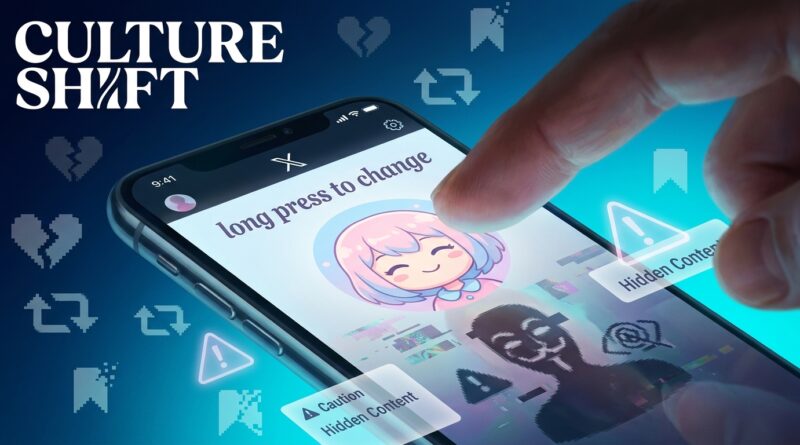
Inside X’s ‘Long Press To Change’ Shock Meme: How A Hidden-Image Gimmick Quietly Turned Into 2026’s Creepiest New Viral Format
Your X feed probably feels a little cursed right now. One minute it is normal screenshots with “long press to change,” and the next minute people are arguing in the replies about hidden images, bait posts, and whether the whole thing is funny or just plain gross. If you feel like everyone else got the memo and you did not, you are not alone. The joke depends on confusion. That is part of why it spread so fast. The short version is this: the long press to change X trend plays with how X displays images when you press and hold, save, expand, or preview them. Some creators used that trick for harmless gotcha memes. Others quickly realized the same format could hide disturbing material behind an innocent-looking image. That is why people are suddenly treating it less like a joke and more like a moderation and safety problem.
⚡ In a Hurry? Key Takeaways
- The long press to change X trend is a hidden-image gimmick where a post appears normal until a press, hold, save, crop, or preview reveals something different.
- If a post tells you to “long press” for the punchline, treat it like bait. Do not repost it before checking replies, quote posts, and who shared it first.
- Some versions are harmless memes, but others are being used to sneak in sexualized underage anime imagery and other disturbing content, which makes this a real trust and safety issue.
What the “long press to change” meme actually is
The basic trick is simple. A post shows one image at first glance, but when you interact with it in a certain way, a different image or message becomes visible.
On X, that can happen because of how the app handles image previews, transparency, compression, cropping, contrast, or layered visual details that only show up when the image is enlarged or pressed. Not every version uses the exact same method, but the goal is always the same. Make the viewer think they discovered a secret.
That “secret” is the whole hook. It turns a passive scroll into a tiny challenge. People do not just look. They test it.
Why people keep falling for it
This format is built for curiosity. “Long press to change” sounds like a hidden feature you somehow missed, not a meme setup. It gives the post a little magic trick energy.
That matters because viral posts often spread less from laughter and more from participation. If a person is confused, they may still share it just to ask, “Wait, does this work for anyone else?” That confusion becomes free promotion.
We have seen versions of this before with optical illusions, “adjust your brightness” jokes, and fake interface tricks. The difference here is that X’s image behavior gives the format just enough technical plausibility to keep people trying.
How a harmless gimmick turned weird fast
At first, many examples were dumb but harmless. A cute picture would reveal a silly face. A dramatic screenshot would flip into a joke caption. Basic internet nonsense.
Then the format hit the usual internet speedrun. Once people realized they could hide content behind an apparently safe image, the same mechanic started getting used for shock value. That includes sexual or disturbing material concealed under a soft, funny, or anime-style wrapper.
That is the point where the long press to change X trend stopped being just another passing joke. It became a moderation headache. The front image can look safe enough to dodge casual scrutiny, while the hidden reveal does the real damage.
Why this is setting off alarm bells
It exploits trust
Most people assume an image post is showing them the thing they are meant to see. This trend breaks that expectation on purpose. It asks viewers to perform the reveal themselves.
It muddies moderation
If harmful content is only obvious after a specific interaction, moderation gets harder. Automated systems may catch some of it, but edge cases are messy. Human reviewers also have to know what trick is being used.
It creates plausible deniability
Bad actors love formats that let them say, “I only posted a normal image.” The hidden part becomes the real payload, while the visible part acts like camouflage.
It can expose younger users to content they did not choose to see
This is the biggest concern. Several social posts calling out the trend today are warning that some examples are being used to sneak in underage anime imagery and related content. Even if a viewer never meant to seek that out, the format is designed to catch curiosity first and consent later.
How the hidden-image trick usually works
You do not need to become a forensic editor to understand this. In plain English, creators are often using one or more of these tricks:
Low-contrast hiding
An image contains a second figure or message that blends into the background until zoom, hold, or device behavior changes how it appears.
Layered composition
The visible image is arranged so a crop, preview, or expanded view reveals extra details outside the main focal area.
Transparency or compression quirks
Some images react differently depending on how the app renders them, especially when previewed versus fully opened.
Expectation hacking
Sometimes there is no real technical trick at all. The post just tells you something should happen, and users convince each other it did. That still drives engagement.
That last point matters. The long press to change X trend is not always about hidden code or deep platform behavior. Sometimes it is just social engineering with a screenshot.
How to tell if a post is harmless bait or a red flag
You cannot know instantly every time, but there are a few signals worth watching.
Signal 1: The account is farming confusion
If the post has a vague command, no context, and a comments section full of “what did you see?”, that is often a clue the creator wants curiosity more than comedy.
Signal 2: The replies are full of warnings
Before you interact, check replies and quote posts. If people are warning others not to try it, believe them.
Signal 3: The account has a pattern
Click through. Is the feed packed with shock memes, cropped fetish bait, or “don’t open in public” style posts? That tells you a lot.
Signal 4: It uses cute or nostalgic art as cover
This is one of the more worrying patterns. Innocent anime art, pet photos, or soft pastel designs can make viewers lower their guard.
Signal 5: It asks for a very specific interaction
Any post that insists you must press, save, tilt, brighten, zoom, or crop to “get it” deserves extra skepticism.
What you should do if one lands on your feed
First, do not quote repost it with “is this real?” That often boosts the original.
Second, check whether trusted users are already documenting what the hidden content is. If the answer is yes, you do not need to test it yourself.
Third, report it if it appears to hide sexualized minors, non-consensual imagery, or other prohibited material. If the visible image seems harmless, mention in the report that the harmful content appears during interaction or expansion.
Fourth, if you are a parent, teacher, or creator with younger followers, explain the mechanic plainly. “Some posts are designed to look safe until you interact with them” is enough to make the risk understandable without repeating the content.
Why this feels different from ordinary meme churn
Most viral formats burn hot because they are easy to copy. This one is also easy to misuse. That is a bad mix.
Compare it with softer trend cycles like Inside TikTok’s ‘Recreate Your 2016 Self’ Wave: How One Nostalgia Prompt Quietly Turned Into Gen Z’s Favorite Time‑Travel Challenge, where the hook is shared nostalgia and self-expression. The long press to change X trend runs on hidden interaction and uncertainty instead. One invites participation by making you feel seen. The other often pulls you in by making you unsure.
That difference is why people are more uneasy than amused.
For creators: don’t hide behind “it’s just a meme”
If you post this format, you are choosing to benefit from ambiguity. Even if your version is harmless, you are still helping normalize a wrapper that worse accounts can copy.
That does not mean every experimental image post is bad. It means context matters. If your joke depends on making people wonder whether they have just been tricked into seeing something sketchy, maybe it is not as innocent as it looks on your own screen.
And if you run a brand account, community page, or fandom hub, this should be an easy no. The engagement is not worth the trust hit.
For everyday users: a simple rule of thumb
If a meme asks you to perform a hidden action to reveal the “real” content, pause before you play along.
That one habit will save you from a lot of junk online. It also keeps you from helping bad posts travel farther than they should.
At a Glance: Comparison
| Feature/Aspect | Details | Verdict |
|---|---|---|
| Harmless meme version | Uses hidden contrast, crop, or reveal tricks for a silly punchline with no explicit or disturbing content. | Annoying but mostly low risk. |
| Shock-content version | Pairs a safe-looking front image with sexual, disturbing, or underage anime imagery revealed through interaction. | High risk. Report and do not amplify. |
| Best user response | Check replies, avoid quote reposting, warn others clearly, and report hidden harmful content. | Most effective way to reduce spread. |
Conclusion
The useful thing to remember here is that your confusion is not a sign you missed some big joke. Confusion is the engine of the trend. The long press to change X trend is spreading faster than context, and that is exactly why it deserves a little more scrutiny than the average meme. Some versions are just cheap bait. Others are already being used to smuggle in underage anime imagery and other disturbing content under a cute, clickable wrapper. Once you know the trick, the format gets a lot less mysterious and a lot easier to resist. That is the real value here. Creators, parents, and everyday scrollers can name what is happening, call it out in comments without sounding dramatic, and make smarter choices about what they share. And next time a “hidden interaction” meme starts quietly crossing a line, you will spot it sooner.