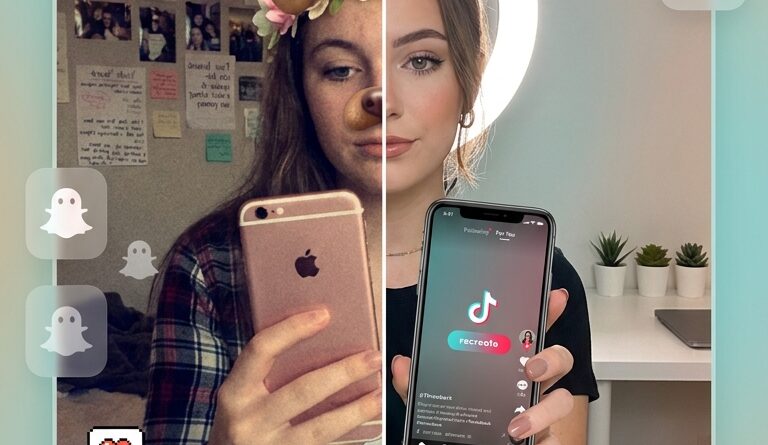
Inside TikTok’s ‘Recreate Your 2016 Self’ Wave: How One Nostalgia Prompt Quietly Turned Into Gen Z’s Favorite Time‑Travel Challenge
Feeds have felt loud lately. Too polished, too tense, too packed with hot takes, sad headlines, and trends that seem built to burn out in a weekend. So when the Recreate Your 2016 Self TikTok trend showed up, people grabbed it fast. It is silly in the best way. You throw on the old side part, dig up the black choker, cue the eyeliner, maybe mention a fandom you forgot you were once willing to defend with your life, and for 15 seconds the internet feels lighter. That is a big reason this trend is landing. It is not just about copying a look from eight or nine years ago. It gives creators a tiny time machine back to a pre-pandemic, pre-AI, more awkward version of themselves. And weirdly, that awkwardness is exactly what makes it work. People are not being rewarded for looking perfect here. They are being rewarded for remembering who they used to be.
⚡ In a Hurry? Key Takeaways
- The Recreate Your 2016 Self TikTok trend is taking off because it feels personal, low-pressure, and fun at a time when feeds feel heavy.
- If you are a creator or small brand, use it to show your origin story, old style, early interests, or first version of your voice.
- Keep it safe and relatable. Share old aesthetics, not private details you will regret posting later.
What the Recreate Your 2016 Self TikTok trend actually is
At the simplest level, it is exactly what it sounds like. TikTok creators are styling themselves like their 2016 selves and presenting that version on camera. Sometimes it is a full visual transformation. Sometimes it is a joke about their old Tumblr phase, YouTube obsession, fandom identity, or makeup choices. Sometimes it is just a caption and a song doing most of the work.
But the format matters more than the costume.
The trend works because it gives viewers three things fast. Recognition. Contrast. Personality. People instantly recognize the era. Then they compare old-you with current-you. Then they get a clearer sense of who you are beyond whatever neat, polished version usually shows up online.
Why this trend hit now
Timing is everything on TikTok, and this one arrived when people were ready for a break.
There is a lot of digital fatigue right now. Feeds are full of scary news, AI slop, forced outrage, and creators trying very hard to look effortlessly perfect. That gets tiring. The Recreate Your 2016 Self TikTok trend cuts in with a different offer. It says, for one short video, you do not need to sell a dream life. You just need to remember your weird eyebrows, your favorite band tee, and that phase when your camera roll was mostly blurry selfies.
It also taps into a specific internet memory. For many Gen Z and younger millennials, 2016 sits in a strange sweet spot. Recent enough to feel familiar. Distant enough to feel like another world. It was before lockdown life reshaped social habits. Before AI tools got shoved into everything. Before every platform started feeling like a giant shopping channel mixed with a debate club.
Why people keep watching these videos
It feels honest without getting too serious
Some trends ask creators to reveal something deep. Others ask for expensive editing, perfect lighting, or a very curated lifestyle. This one does not. It lets people be vulnerable in a safer, lighter way. You are admitting you had a phase. That is the joke. And the charm.
It gives older followers a memory hit
If someone has followed you for years, this kind of post feels like a callback. It reminds them why they connected with you in the first place. Maybe your current content is more polished now. This trend lets you briefly reopen the scrapbook.
It introduces newer followers to your “origin era”
New followers usually meet the edited version of a creator, not the messy first draft. This trend fills in the backstory fast. In one clip, people understand your old taste, your awkward phase, and your personal timeline.
Why the format is smarter than it looks
A lot of nostalgia content is passive. You scroll past old photos, old songs, old logos, old trends. This is different because it asks people to perform memory, not just consume it.
That is a big shift.
When someone recreates their 2016 self, they are doing more than saying, “Remember this?” They are saying, “This used to be me, and I can laugh about it now.” That creates a stronger reaction than a generic throwback post. It turns memory into storytelling.
And from a content point of view, that is gold. It is easy to understand, easy to remix, and easy to make your own without spending money.
What usually shows up in a 2016 recreation
There is no single checklist, but some themes come up again and again:
- Heavy winged eyeliner or overdone brows
- Dark lipstick, matte makeup, or very specific contour habits
- Side parts, teased hair, or certain braid styles
- Tumblr-inspired fashion, chokers, flannels, ripped jeans
- Fandom references, band obsession, YouTube creator culture
- Captions about being “so cringe” or “emotionally attached to this phase”
- A before-and-after reveal that highlights the glow-up or personality shift
The point is not accuracy down to the last bracelet. The point is emotional accuracy. People want to feel the era in two seconds.
What creators and brands can learn from it
Small creators can use it as a trust builder
If you are a small creator, this trend is a gift. It gives people a reason to comment, “This was literally me,” which is one of the fastest ways to build connection on TikTok. Shared embarrassment is weirdly useful that way.
It also lowers the pressure. You do not need a big set, expensive gear, or a huge concept. You need a recognizable past self and a sense of humor.
Brands can use the structure without pretending to be people
Brands should be careful here. Nobody wants a painfully fake “How our snack brand looked in 2016” post unless it is clever and true to the brand. But the format can still work. A brand can show old packaging, old website design, first office vibes, early product photos, or the original mood board that started it all.
The trick is to use the same emotional idea. Show your earlier, less polished version. That is what people respond to.
It is a low-cost storytelling test
This trend is also a smart way to test whether your audience wants softer, more personal content from you. If they do, you can build from there. Maybe into more throwbacks, behind-the-scenes clips, old drafts, first attempts, or “what I thought I would become” style posts.
How to do the trend well without making it feel forced
Start with one clear memory
Do not cram every 2016 reference into one video. Pick one lane. Maybe it is your emo phase. Maybe your beauty-guru era. Maybe your One Direction devotion. One strong memory lands better than ten scattered ones.
Use specifics
“I was cringe in 2016” is too broad. “I thought this lipstick shade made me look mysterious” is better. Specific details make viewers feel like they are peeking into a real past, not a generic nostalgia template.
Keep the setup simple
You do not need movie-level transformation editing. A quick change, a text overlay, and the right expression can do the job. Half the appeal is that it looks homemade.
Do not overshare
Nostalgia can make people drop their guard. That is fine, up to a point. Share the aesthetic, the jokes, the phase. Maybe skip old schools, private family details, or anything that gives away more than you meant to post.
Why awkward content is winning again
For years, many creators felt pushed toward one polished look. Better camera. Better skin. Better apartment. Better life. Trends like this push back on that a little.
They say the awkward stage has value too.
That matters because it opens the door for more realistic storytelling. Not miserable. Not fake-deep. Just human. A lot of people are hungry for that right now.
The Recreate Your 2016 Self TikTok trend works because it gives permission to be a little embarrassing in public, on purpose, and have that embarrassment read as charm instead of failure.
Will this trend last?
The exact format will probably cool off. TikTok always moves. But the reason behind it is likely to stick around longer.
People want content that feels personal without being exhausting. They want creators who seem like real people, not just content machines. They want nostalgia they can participate in, not just stare at.
So even after the 2016 version fades, expect more trends built on the same idea. Recreating older selves. Revisiting internet eras. Showing messy beginnings. Letting followers see the draft before the final version.
At a Glance: Comparison
| Feature/Aspect | Details | Verdict |
|---|---|---|
| Why it works | Mixes nostalgia, humor, and identity in a short, easy-to-copy format. | Strong trend formula with broad appeal. |
| Best use for creators | Reconnect with longtime followers and introduce newer ones to your earlier online persona. | Very useful for humanizing your content. |
| Main risk | Posting something too generic, too fake, or too personal can flatten the effect. | Keep it specific, light, and safe. |
Conclusion
The Recreate Your 2016 Self TikTok trend is not just another recycled internet joke. It is a sign that people are tired of constant polish and hungry for something softer, funnier, and more real. That is why this helps the community right now. Nostalgia is moving from a passive scroll into an active flex. Creators are getting rewarded for showing their awkward phase, retired fandoms, and old aesthetics instead of pretending they have always had it all together. If you understand how this 2016 revival works as a format, you can use it to reconnect with older followers, bring in new ones who never saw your origin era, and try a more honest style of storytelling without a big budget or a perfect life. For small creators and brands, that is the real value. It turns a fast meme into a practical way to feel human again while the rest of the feed keeps chasing empty viral sounds.