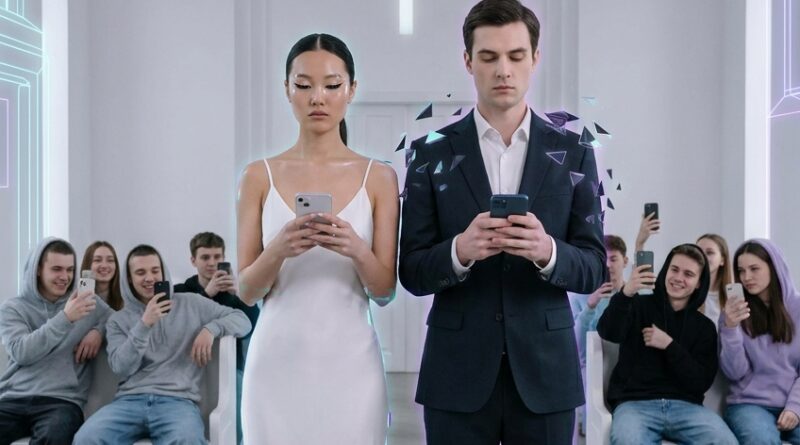
Inside TikTok’s ‘NPC Wedding Vows’ Wave: How Fake Ceremony Skits Quietly Became Gen Z’s Darkest New Relationship Meme
You are not imagining it. TikTok has suddenly filled up with fake wedding clips where two people stare straight ahead, barely blink, and trade vows like they are trapped in a video game tutorial. The bride sounds like a help desk script. The groom replies like he is accepting a side quest for eternal companionship. It is funny for about three seconds, then weirdly bleak. If you have been watching these and thinking, “Okay, I get that this is about relationships, but what is the joke exactly?” you are in good company. The TikTok NPC wedding vows trend is one of those memes that looks silly on the surface but is really doing a lot of emotional work underneath. It is poking at dating burnout, fear of settling, performative romance, and the way AI speech has started to infect how people joke about intimacy itself.
⚡ In a Hurry? Key Takeaways
- The TikTok NPC wedding vows trend jokes that modern romance can feel scripted, transactional, and emotionally disconnected.
- If you want to join in, make the skit specific to a real dating frustration instead of repeating the same robot lines everyone else is using.
- The format can be funny, but it also touches real nerves around consent, settling, and burnout, so context matters.
What the TikTok NPC wedding vows trend actually is
At the most basic level, these videos stage a fake wedding ceremony in the style of a non-playable character, or NPC. That means flat delivery, repetitive phrasing, stiff body language, and dialogue that sounds pre-programmed.
You will usually hear lines like:
“I accept this bonding contract.”
“You have selected spouse tier access.”
“I vow to provide emotional responses within standard operating hours.”
That robotic tone is the whole point. Marriage vows are supposed to be deeply personal. These skits turn them into a terms-of-service agreement.
That clash is what makes the meme land.
Why this joke hit so hard in 2026
Memes do not spread just because they are random. They spread because they say something people already feel.
The TikTok NPC wedding vows trend took off because it sits right where three big anxieties meet.
1. Dating already feels automated
A lot of people, especially younger users, are used to dating through apps, prompts, filters, reaction windows, read receipts, and algorithm-fed first impressions. You are supposed to be spontaneous, but inside a system that keeps nudging you toward the same behaviors.
So when someone says fake vows like a chatbot, the joke is not really “ha ha, robots.” It is “this already feels a little too close to real life.”
2. Romance has become performance
Online, relationships are often treated like content. Hard launches, soft launches, anniversary dumps, coordinated comments, engagement bait. Even very real couples can end up sounding like they are managing a brand.
The deadpan wedding skit turns that pressure up until it looks absurd. It says, if we are all performing love online anyway, why not admit the script is getting weird?
3. AI humor has changed how people talk
By 2026, a lot of internet comedy sounds machine-generated on purpose. People write like customer support bots, use glitchy formal language, and exaggerate the emptiness of automated speech because it feels familiar.
That is why these vows sound less like old-school parody and more like broken software. The humor comes from emotional language stripped of emotion.
The darker subtext people are reacting to
This is where the trend gets more interesting.
Under the surface, many of these skits are not really about weddings. They are about the fear that relationships have become negotiations between tired people who are trying to meet social expectations without fully trusting their own feelings.
The hidden themes tend to be:
Burnout
Some clips sound like two exhausted people agreeing to merge calendars, share rent, and complete affection tasks as assigned. That lands because many viewers are tired. Not just tired of dating, but tired of having to package themselves correctly at all times.
Fear of settling
When the vows sound like “you meet baseline requirements,” the joke is about choosing a partner the way you would choose a service plan. It reflects a real fear that some people are not falling in love so much as choosing the least chaotic option.
Emotional distance
The blank stare matters. It signals disconnection. A lot of viewers read these skits as satire about couples who are together on paper, but not actually present with each other.
Consent and expectations
Some of the sharpest versions of the trend joke about hidden relationship terms, silent expectations, or “unlocking” new obligations after commitment. That can be funny, but it also opens the door to real conversations about what partners assume versus what they clearly discuss.
Why the “NPC” part is doing so much work
If this were just “awkward wedding vows,” it would not have exploded the same way. The NPC framing matters because NPCs are not fully in control. They follow scripts. They repeat lines. They exist inside systems built by someone else.
That maps neatly onto how a lot of people feel about modern dating. You are told to want romance, but also to optimize it. You are told to be authentic, but also strategic. You are told commitment matters, but also to keep your options open until the exact right second.
In other words, the meme is saying: what if love now feels less like connection and more like navigating preset dialogue trees?
How to tell whether a video is just copying the trend or saying something real
Not every clip is equally clever. Some are just doing the robot voice because that is what gets views.
The better ones usually have at least one of these things:
Specificity
A good skit points to a recognizable relationship pattern. Maybe it is one partner treating emotional support like a scheduled feature. Maybe it is wedding pressure from family. Maybe it is the weird way people treat commitment as both a dream and a trap.
A strong mismatch
The funniest clips put deeply human moments into painfully corporate language. Think vows recited like an onboarding script, or a kiss framed as a “user agreement confirmation.”
A point of view
The best creators are not just repeating lines. They are making a point about dating culture, gender roles, burnout, or how intimacy looks when everyone is half-performing for an invisible audience.
If you want to join the trend, do this instead of copying the same script
If you are making your own TikTok NPC wedding vows trend video, the easiest mistake is to borrow the exact same robotic phrasing everyone else is using. That gets stale fast.
Try these instead.
Pick one real relationship tension
Choose one thing people genuinely struggle with. Emotional availability. Uneven household labor. “Are we posting this or not?” anxiety. Different expectations around texting. One real thing is funnier than ten generic robot lines.
Write like a machine, but think like a person
The language should sound stiff. The insight should not. The trick is making the audience laugh because they recognize the truth underneath the weird phrasing.
Example:
“I vow to say ‘I am fine’ until the support ticket escalates.”
That works better than:
“I accept husband package version 2.0.”
One is a real emotional pattern. The other is just decoration.
Use visual clues
Blank expressions help. So do awkward pauses, too-perfect posture, and a ceremony setting that feels just slightly off. Even cheap props can sell it.
Know where your joke lands
If your skit touches money, coercion, emotional labor, or pressure to marry, be aware that those are real sore spots for people. You do not need to make it heavy. Just do not act surprised if viewers read more into it than “just a meme.”
Why people are sharing these with friends and partners
One reason this trend is spreading so quickly is that it gives people a safe side-door into awkward conversations.
Sending someone an NPC wedding vows clip can mean:
“This is what I am scared marriage could feel like.”
“This is how dating apps have fried my brain.”
“This is funny, but also, are we doing this?”
That is part of the appeal. The meme is a joke, but it is also cover. It lets people talk about commitment, expectations, resentment, and emotional numbness without opening with a giant serious speech.
What brands and creators will get wrong about it
Expect brands to flatten this trend into “funny robot wedding moment” content. That will miss the point.
The trend works because it is about friction. It has bite. It is satirizing the way relationships can start to feel optimized, packaged, and emotionally thin.
If a company uses it to sell matching couple products with zero self-awareness, people will clock that immediately.
Same goes for creators who turn it into another generic “men bad” or “women bad” template. The stronger versions are less lazy than that. They point at systems, scripts, and habits people get trapped in.
Is this trend cynical, or weirdly useful?
Both.
It is cynical because the joke depends on the idea that romance can become hollow. But it is also useful because it gives people language for a feeling they have had trouble naming.
Some viewers are not laughing at marriage itself. They are laughing at the fear of sleepwalking into a relationship role they never fully chose.
That is a useful distinction.
How to talk about it with your own audience or friend group
If this trend comes up in a group chat, on your feed, or in your comments, here are better questions than “Do you get the joke?”
Ask what part feels familiar
Is it the emotional autopilot? The social pressure? The customer-service tone people use when they are too drained to be honest?
Ask what the vows are replacing
Usually the robotic line is standing in for something harder to say plainly, like “I am afraid commitment now feels procedural instead of joyful.”
Ask what a non-NPC version would sound like
This is the useful part. If the joke is that people hide behind scripts, what would an actually honest vow, promise, or expectation sound like?
That can lead to real conversations about consent, care, boundaries, and what each person thinks commitment is supposed to mean.
At a Glance: Comparison
| Feature/Aspect | Details | Verdict |
|---|---|---|
| Surface joke | Robot-voiced wedding vows, stiff acting, game-like dialogue, and fake ceremonial seriousness. | Easy to watch, but only half the story. |
| Real subtext | Dating burnout, fear of settling, performance culture, and the sense that intimacy now comes with hidden scripts. | This is why the trend spread so fast. |
| Best way to participate | Use one specific relationship truth, write sharper lines, and make the joke point somewhere real. | Much better than copying generic NPC phrasing. |
Conclusion
The TikTok NPC wedding vows trend looks like a throwaway joke until you listen to what people are actually doing with it. They are taking one of the most intimate promises in modern life and rewriting it as a glitchy transaction. That says a lot about how love feels to many people right now. Tired, performed, optimized, negotiated, and sometimes a little unreal. The upside is that once you spot the subtext, the meme stops feeling random. You can read it as a cultural cheat sheet for 2026. It tells you where the anxieties are, why the humor is so flat, and how to join in without posting the exact same recycled robot vow. More importantly, it gives you a smart opening to talk honestly about love, consent, expectations, and the fear of drifting into commitment on autopilot. That is why this silly, dead-eyed wedding joke matters more than it first appears.