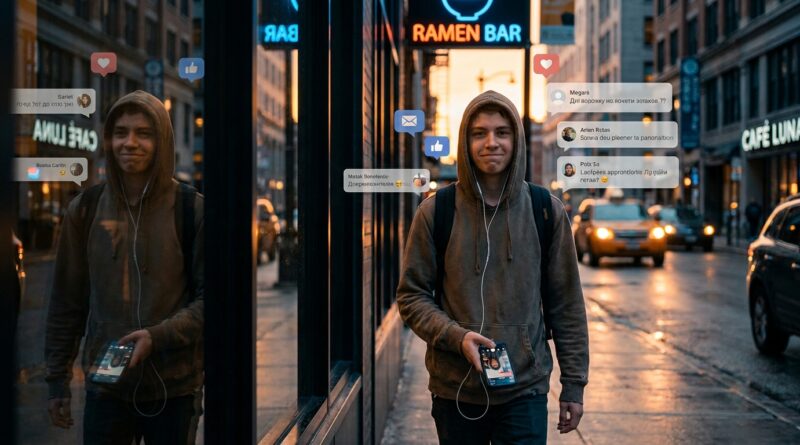
Inside TikTok’s ‘Self‑Aware Walk’ Wave: How Melancholy Street Clips Quietly Became Gen Z’s New Way To Admit They’re Not Okay
You have probably seen them by now. A phone pointed at sneakers on a sidewalk. A gray sky. Maybe a caption like “self aware walk before I lose it” or “going on my little self aware walk so I don’t text him.” It is funny, but only in that very online way where the joke is doing a lot of emotional heavy lifting. If you have been unsure whether to laugh, worry, or keep scrolling, that confusion makes sense. The self aware walk TikTok trend sits in a weird middle ground between meme, diary entry, and low-stakes distress signal.
What makes the format hit so hard is how ordinary it looks. No speech. No big reveal. Just movement, music, and a caption that says, in effect, “I know I’m spiraling, and this is me trying to manage it.” For a lot of Gen Z users, that tiny bit of self narration feels safer than making a direct post saying they are burned out, lonely, or not coping well.
⚡ In a Hurry? Key Takeaways
- The self aware walk TikTok trend is usually a semi-joking way to admit stress, sadness, burnout, or emotional overload without saying it outright.
- If a friend posts one, try a simple check-in like, “Hey, saw your post. Want company or just someone to listen?”
- Not every clip is a crisis, but repeated sad-core posts can be an early sign someone needs support, not just likes.
What the self aware walk TikTok trend actually is
On the surface, it is simple. Someone films themselves walking, usually alone, often with moody music, muted colors, or a deadpan caption about trying not to fall apart. The phrase “self aware” is the key. It tells viewers, “Yes, I know how this looks. I know I’m being dramatic. I know walking won’t solve my life. I’m posting it anyway.”
That self-mockery matters. It softens the vulnerability. Instead of saying “I am having a rough time,” the person says it sideways. That makes the post feel safer to share and easier for others to engage with.
It is not really about exercise. It is about emotional containment. The walk becomes proof of effort. “I am trying to regulate myself. I am trying not to make things worse. I am still moving.”
Why this trend took off
It turns private coping into a recognizable format
For years, people have gone on walks to clear their heads. TikTok did what TikTok always does. It turned a common behavior into a template. Once enough users recognized the mood, the self aware walk became a shorthand for a very specific kind of emotional state. Not a full breakdown. Not total wellness either. More like, “I am holding it together with a string and a podcast.”
It gives people a way to be vulnerable without fully dropping the mask
That is the real trick. A direct cry for help can feel too exposed. A polished “living my best life” post can feel fake. The self aware walk lives between those extremes. It says, “I am struggling, but I still understand the bit.” That keeps the poster in control.
It fits the internet’s favorite tone, ironic but sincere
Gen Z internet culture loves mixed signals. Funny and sad. Detached and honest. Casual and deeply loaded. The self aware walk works because it lets people be sincere while acting like they are only half serious. If you have watched other TikTok formats do this same balancing act, like Inside TikTok’s ‘NPC Wedding Vows’ Wave: How Fake Ceremony Skits Quietly Became Gen Z’s Darkest New Relationship Meme, you have already seen how humor can carry much darker feelings than it first appears to.
Is it a joke, a cry for help, or just an aesthetic?
Sometimes it is all three.
That sounds slippery, but it is the most honest answer. Online posts do not always fit neat boxes. A person can be making a joke and asking for connection at the same time. They can enjoy the aesthetic of the clip and still mean the caption. They can want attention in the most human sense, which is not the same thing as being fake.
Here is the helpful way to read it. A self aware walk post is usually not a dramatic emergency alert. It is more often a socially acceptable way to admit, “Things are off. I am not feeling great. I would not mind being seen.”
The mental health layer people keep missing
This is the part worth slowing down for. The trend works because it gives users a low-risk method for naming distress. Not severe distress every time, but real discomfort. Burnout. Loneliness. Relationship fallout. Family stress. Work panic. That vague sadness that shows up when life feels too expensive, too unstable, too public, and too fast.
Instead of posting a long confessional, people post a street clip.
That can be healthy. Sometimes a walk really is a grounded, practical coping move. It can also become a way to repeatedly signal pain without getting meaningful support. If someone keeps posting these videos, especially with captions about numbness, hopelessness, or “trying not to crash out,” it may be worth taking the emotional content seriously.
How to tell when it might mean more
You do not need to become a detective. Just notice patterns.
Possible signs it is more than a passing meme
If the same friend posts self aware walk videos over and over, that can signal ongoing strain. Pay more attention if the captions mention not sleeping, not eating, panic, feeling empty, or not wanting to be around people. Also notice if their comments start sounding more withdrawn than witty.
Another clue is escalation. One moody walking clip after a bad week is one thing. A steady stream of increasingly bleak “joke” posts can mean the person is using humor to test whether anyone notices.
You do not have to overreact. But you also do not have to pretend it is nothing.
How to check in without making it weird
This is where most people freeze. They do not want to be nosy. They do not want to embarrass someone. Fair enough. The good news is you do not need a perfect script.
Try one of these messages
“Hey, I saw your post. Just checking in. You doing okay?”
“Your video had a rough vibe. No pressure to reply, but I’m here if you want to talk.”
“Want advice, a distraction, or just someone to listen?”
“Saw the self aware walk. Sending love. Want to grab coffee or take a real walk?”
That last one works well because it meets the person where they are. It does not force a heavy talk, but it opens the door.
What not to say
Try to skip lines like “lol same” if the post seems especially bleak. Also avoid interrogating them with “What happened?” right away. And do not accuse them of attention-seeking. Even when a post is performative, there is often still a real feeling underneath it.
If you post these videos yourself, a useful gut check
There is nothing wrong with using humor, mood, and trends to express yourself. The question is whether the post helps you connect or just helps you stay hidden in a stylish way.
Ask yourself a few things. Am I posting this because it helps me feel seen, or because it is easier than telling one trusted person I am struggling? Am I using the trend to vent, or to avoid asking for actual support? Would I feel better if one friend checked in, or do I need to reach out first?
That is not about judging yourself. It is about noticing when a meme is starting to do too much emotional labor.
Why people relate so strongly to this format
Because it is honest about a very modern kind of emotional life. Most people are not falling apart in cinematic fashion. They are replying to emails while tired. Walking around the block so they do not send a regrettable text. Listening to sad music on purpose. Trying to keep their feelings manageable enough to function.
The self aware walk TikTok trend captures that middle zone perfectly. It is not glamorous. It is not a full wellness routine. It is just a small act of damage control with good lighting.
At a Glance: Comparison
| Feature/Aspect | Details | Verdict |
|---|---|---|
| What it signals | Usually mild to moderate emotional strain expressed through humor, mood, and self-awareness | Often sincere, even when framed as a joke |
| Best response from friends | Private, low-pressure check-in with room for the person to accept or decline support | More helpful than public jokes or silence |
| Risk to watch for | Repeated sad-core posting can normalize distress without leading to real help or conversation | Worth noticing, especially if the tone gets darker |
Conclusion
The self aware walk TikTok trend is easy to dismiss as just another moody internet aesthetic. But for a lot of people, it is also a coded way of saying, “I’m doing my best and it is not going great.” Understanding that makes you better at reading the room online. More importantly, it gives you a small chance to be kind in a place that often rewards distance and irony. If this format keeps showing up on your feed, you do not need to panic or play therapist. Just notice the human part inside the bit. A simple check-in can turn passive scrolling into real support, help spot early burnout, and keep your own posting grounded in honesty instead of performative sad-core.