Inside TikTok’s ‘Disco Ball Face’ Wave: How Glowy Mirror‑Skin Edits Quietly Became Gen Z’s Flashiest New Identity Filter
If your TikTok feed suddenly looks like everyone dipped their cheekbones in chrome and stepped under a club light, you are not imagining it. The disco ball makeup TikTok trend has spread fast, and it can feel a little ridiculous trying to explain why one very shiny face style suddenly became the internet’s shared obsession. Most coverage stops at product lists. That misses the point. This is not just about highlighter, gloss, or clever editing. It is about mood. Gen Z is using this mirror-skin look as a tiny performance of confidence, escape, and controlled fantasy at a time when everyday life still feels stressful, expensive, and overly watched. The result is a face that says, “look at me,” while also working like armor. It reflects attention back outward. That is why these clips feel bigger than beauty. They are beauty, nightlife nostalgia, identity play, and emotional weather report all at once.
⚡ In a Hurry? Key Takeaways
- The disco ball makeup TikTok trend took off because it mixes flashy visuals with a deeper Gen Z craving for fantasy, protection, and attention in one swipe-stopping look.
- If you make content or market to younger audiences, watch the editing style as much as the makeup itself. The glow, lighting, and club-coded mood are the real story.
- Not every viral beauty look is practical offline. Some of this trend is built for the camera first, so do not judge it by daylight wearability alone.
What exactly is the disco ball face trend?
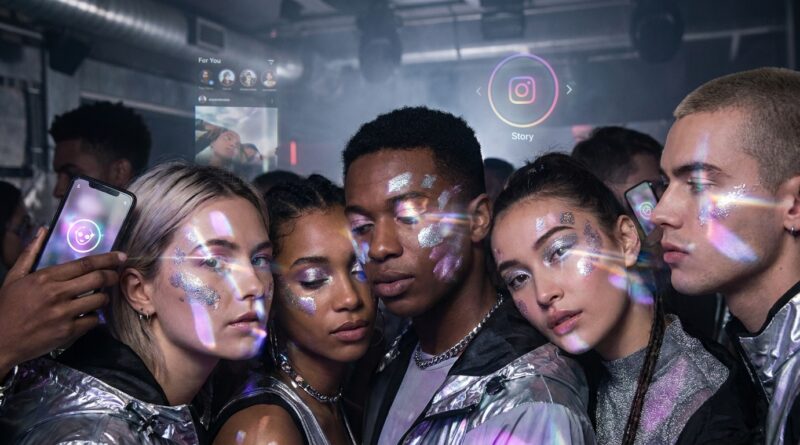
At the surface level, it is easy to describe. Think ultra-reflective skin, sharp points of light on cheeks and lids, glossy finishes, silver shimmer, and editing that makes the face bounce light like a mirrored party ball.
But on TikTok, the look is rarely just makeup. It is usually a full package. There is dramatic lighting. A moody soundtrack. A close-up reveal. Sometimes there is an almost liquid-metal finish. Sometimes it leans icy and alien. Sometimes it looks soft and wet, like skin after dancing for hours in a basement club bathroom mirror.
That full package is why the trend feels bigger than an ordinary beauty craze. It is not one product. It is a visual language.
Why it suddenly took over For You pages
TikTok loves looks that “read” in half a second
This trend is tailor-made for the algorithm. Even if you know nothing about makeup, you understand the image instantly. A face catches light. The camera moves. The skin flashes. You stop scrolling.
That matters more than people realize. Trends that win on TikTok are often the ones that can be understood without sound, without context, and without explanation. Disco ball face does that perfectly.
It feels new, but it also feels familiar
The look taps into older nightlife fantasies. Studio 54. Y2K gloss. Euphoria-style sparkle. Indie sleaze revival. Even old paparazzi flash photos where skin looked sweaty, shiny, and alive. It feels fresh because creators are remixing all of that through current filters, better phone cameras, and hyper-specific editing styles.
That mix of old and new is catnip for Gen Z. They are extremely good at taking past aesthetics and turning them into mood boards for the present.
It offers “main character” energy without saying it out loud
For a while, a lot of beauty trends leaned minimal. Clean girl. No-makeup makeup. Soft, quiet polish. This trend is the opposite. It is not whispering. It is sparkling on purpose.
That shift matters. People are tired of pretending they are not performing online. The disco ball makeup TikTok trend basically admits the performance. It says yes, this is a look. Yes, I want you to stare for a second. That honesty makes it feel more fun and less fake.
Why this look is connecting with Gen Z emotionally
Glow works like social armor
There is something protective about exaggerated shine. It creates distance while inviting attention. That sounds contradictory, but online identity often works that way. You want to be seen, but on your own terms.
Mirror-skin and glitter effects do exactly that. They turn the face into a surface. A style object. A character. That can feel safer than showing a plain, unedited version of yourself in a space where every detail gets judged.
It turns insecurity into spectacle
A lot of Gen Z internet culture is built around taking vulnerable feelings and styling them into something shareable. Sad girl makeup did it. “Hot mess” dressing did it. Party-girl exhaustion aesthetics did it.
Disco ball face does it too. The shimmer says celebration. The mood underneath often says burnout, overstimulation, or a need to escape. That tension is a big reason the videos hit so hard.
It matches the current fantasy economy
People cannot always afford the glamorous life they are sold. But they can fake a sliver of it for fifteen seconds. A ring light, some shimmer, a filter, and smart editing can create the feeling of VIP nightlife, even from a bedroom.
That is not shallow. It is practical creativity. When money is tight and daily life feels repetitive, digital fantasy gets more valuable.
This is not really a beauty trend. It is a camera trend.
Here is the part many adults miss. A lot of viral beauty now is designed for the phone first, not real life first.
Disco ball face looks so powerful because modern front-facing cameras, beauty filters, and editing apps reward reflected light. Tiny points of shimmer become dramatic highlights on screen. Gloss looks richer. Silver pigment looks sharper. Skin can be blurred while still appearing textured in a flattering way.
In other words, the phone helps finish the look.
That is why some versions seem impossible in person. They kind of are. The viral result is often half makeup, half lighting trick, half post-production. Yes, that is three halves. That is internet beauty now.
What brands and creators should pay attention to
The mood is more important than the product
If you are a beauty brand, fashion label, club promoter, or even a musician planning visuals, do not reduce this to “sell more glitter.” That is the lazy read.
The stronger takeaway is that young audiences are responding to looks that feel cinematic, nostalgic, slightly unreal, and emotionally loaded. The shimmer is just the entry point.
Nightlife codes are moving into everyday content
This trend borrows heavily from club culture. Flash photography. Metallic surfaces. Sweaty glow. Late-night bathroom mirror energy. But it is no longer locked to actual nightlife. It now appears in daytime GRWMs, selfies, album teasers, and product campaigns.
That spillover is useful to watch. It shows how quickly niche visual cues become mainstream language online.
Short trends can still reveal long-term shifts
Even if disco ball face cools off next week, the bigger pattern will stick around. People want identity filters that are obvious, theatrical, and emotionally expressive. Not hidden correction. Visible transformation.
That is a big change from the era when filters tried to look invisible.
How to tell if a trend like this has real cultural weight
A simple test helps. Ask three questions.
1. Is it easy to copy?
Yes. You do not need pro makeup skills to attempt the vibe. A bit of gloss, some shimmer, strategic lighting, and an editing app can get you close.
2. Does it carry a feeling people want to borrow?
Also yes. The feeling is bold, untouchable, glamorous, and a little emotionally messy. That is a very TikTok-friendly combo.
3. Can it jump categories?
Definitely. This one moves easily from makeup into fashion styling, music video editing, party flyers, event promos, and nightlife branding. That is usually the sign of a trend with bigger cultural legs.
If you want to try it without looking like a craft project
You do not need to plaster your whole face in glitter. In fact, the more wearable versions often work better.
Start with light placement
Focus on cheekbones, inner corners, lids, and cupid’s bow. The effect comes from catching light in the right places, not from coating everything in sparkle.
Use the camera test
Check the look with your front camera before adding more product. A finish that seems subtle in the mirror may read dramatically on screen.
Think silver, wet, or glassy
The trend usually sits in one of three lanes. Silver metallic. Wet gloss. Or ultra-glass skin with exaggerated shine. Pick one lane instead of stacking all three.
Let the lighting do some work
A soft lamp off to one side, or a moving light source, can create the disco effect better than piling on extra product.
Why older viewers find it confusing
Because it looks impractical. And honestly, it is impractical if you judge it by old standards. But that is the wrong frame.
TikTok beauty is often less like traditional makeup advice and more like visual performance art. Once you see that, the trend makes perfect sense. It is not trying to help you look polished at brunch. It is trying to create a feeling, stop a thumb, and signal belonging inside a specific internet mood.
That is why the disco ball makeup TikTok trend matters. It is a tiny style event that explains a lot about how digital identity works now.
At a Glance: Comparison
| Feature/Aspect | Details | Verdict |
|---|---|---|
| What it looks like | Reflective skin, metallic shimmer, glossy highlights, club-style lighting, and edited sparkle effects. | Visually instant and extremely scroll-stopping. |
| Why it is trending | It mixes nostalgia, fantasy, bold self-presentation, and camera-friendly shine in one easy-to-remix format. | More about identity and mood than makeup technique. |
| Real-world usefulness | Some versions are wearable, but many are designed mainly for video, lighting tricks, and edits. | Best understood as a screen-first aesthetic. |
Conclusion
The disco ball makeup TikTok trend looks silly if you only see shimmer. It looks smart once you see the bigger pattern. A hyper-specific visual like this is exactly how culture moves in 2026. Fast. Remixable. A little weird. Weirdly emotional. When you unpack why this ultra-reflective, party-coded look is landing now, you get much more than a beauty tip. You get a snapshot of performative glow, social armor, and nightlife nostalgia spilling into fashion, music, and marketing all at once. That is useful whether you are a creator trying to catch the next mood shift, a brand trying to avoid sounding late, or just someone who wants to understand why everyone online suddenly wants to look like they are reflecting a dance floor. The smart read is this. It is not really about shimmer. It is about identity under bright light.