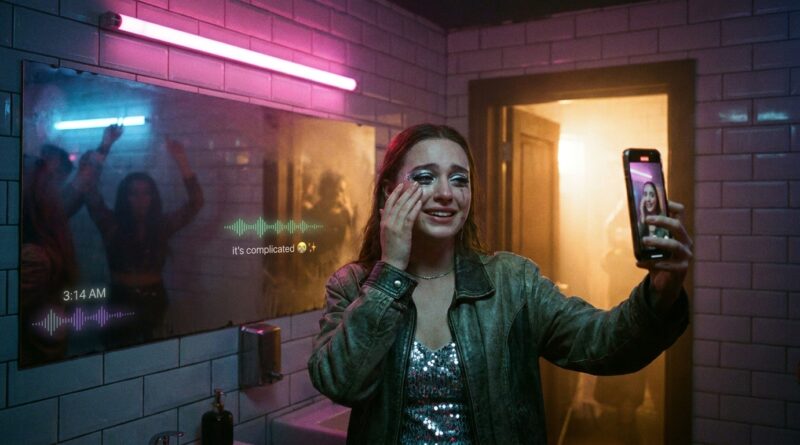
Inside TikTok’s ‘Crying In The Club’ Wave: How Sad Bop Dance Edits Quietly Became Gen Z’s Newest Coping Mechanism
You are not imagining it. Your For You Page really is full of people doing a strange mix of swaying, crying, lip-syncing, and ironic little dance moves to remixes that sound like heartbreak got handed to the DJ. It can feel confusing fast. Is the crying in the club TikTok trend a joke. A coping tool. A performance. Sometimes, honestly, it is all three at once. That is what makes it hard to read from the outside. Under the meme format, there is something pretty human going on. A lot of Gen Z users are taking messy feelings that used to stay in private and turning them into short, shareable rituals. The dance matters less than the signal. “I am hurting, but I know how online culture works, so I am packaging that hurt in a way you will watch.” Once you see that, the trend starts to make a lot more sense.
⚡ In a Hurry? Key Takeaways
- The crying in the club TikTok trend is mostly a way to turn private sadness into a public, funny, slightly controlled performance that feels safer than a direct confession.
- If you want to join in, share the feeling without dumping your whole life story. Keep some details private and make the joke or edit self-aware.
- If a post leaves you feeling worse, exposed, or pressured to prove your pain online, that is your sign to step back. Catharsis should help, not hollow you out.
What the trend actually is
At the surface level, it looks simple. A sad song gets mashed up with a dance beat, a club rhythm, or an old-school move. Think “favorite crime x the dougie” energy. Then creators post videos where they half-commit to the dance while acting emotionally wrecked, detached, or weirdly glamorous.
The whole point is contrast. The body says “we are outside.” The face says “I am going through it.” The audio says both.
That contradiction is the format.
Why it is hitting so hard right now
Plenty of internet trends are random. This one is not. It keeps coming back because it solves a very modern problem. People want to talk about pain, but they do not always want to do it in a fully sincere way.
Straight-up vulnerability can feel risky online. It can look too intense, too earnest, too easy to mock. A sad-bop edit gives people cover. You are not just confessing. You are participating in a bit. You are staying legible to the algorithm and to your peers at the same time.
That is a big part of why the crying in the club TikTok trend keeps spreading. It lets users say, “Yes, I am actually sad. No, I am not asking you to sit me down for a formal emotional debrief.”
Why Gen Z keeps turning feelings into formats
Older generations had breakup playlists, diary entries, dramatic AIM away messages, subtweets, Tumblr quotes. Gen Z has short-form video and remix culture. Same impulse, different tools.
When your social life, entertainment, and identity all live on the same apps, emotions do not stay separate for long. They get edited, captioned, memed, and soundtracked. Feelings become content because content is also how people make sense of themselves in public.
That does not automatically make it fake.
Sometimes performance is the only way a feeling becomes speakable.
The real emotional logic behind “sad but make it dance”
It creates distance
If you cry directly on camera, viewers may read it as too raw. If you cry while doing a tiny shoulder bounce to a remix, the format puts a little glass wall between you and the audience. You stay in control.
It turns chaos into structure
Heartbreak is messy. A trend has rules. Pick the sound. Frame the joke. Hit the beat. That structure can feel calming when life does not.
It makes loneliness social
One person posting sadness can feel bleak. Thousands doing the same format feels communal. You are no longer “too much.” You are part of a language other people understand.
It rewards emotional fluency
The best posts in this lane are not random trauma dumps. They are sharp. They show the creator understands the emotional vibe, the joke, and the music choice. That is why some edits feel painfully relatable and others just feel like trend-chasing.
So, is it a joke or a cry for help?
Sometimes it is a joke about a real feeling. Sometimes it is a real feeling wearing a joke like a jacket. Sometimes it is just trend participation from someone who likes the sound.
You probably will not know which from one 12-second clip.
That uncertainty is part of the culture. Online, a lot of people do not want to choose between irony and honesty. They want both at once. They want to be seen without fully dropping the shield.
Where the trend can go wrong
This is the part people skip. Not every emotional post is healthy just because it is relatable.
Performative oversharing
If you start posting for validation instead of expression, the trend can turn sour fast. You may feel pressure to make the sadness look prettier, deeper, or more dramatic than it really is.
Accidental self-exposure
It is easy to reveal more than you meant to. A lyric, a caption, a date, a location, an inside joke. Suddenly your situationship, ex, or friend group knows exactly who the video is about.
Emotional flattening
Not every feeling needs to become a bit. If every hard moment gets turned into a remix and a wink, it can get harder to tell when you actually need support instead of engagement.
How to join the trend without embarrassing yourself later
If you want to post your own version, the safest rule is simple. Share the mood, not the full case file.
1. Keep the specifics fuzzy
You do not need names, screenshots, timelines, or identifiable details. The strongest posts usually work because they are universal.
2. Know your goal before you upload
Ask yourself, “Do I want to laugh at my own mess a little. Signal a vibe. Be understood. Or get a reaction from one specific person?”
If the answer is that last one, save the draft.
3. Let the music do some of the talking
A smart sound choice says more than a five-line caption ever will. Trust the format. You do not have to explain every emotional angle.
4. Avoid posting at your absolute lowest
Make the video if you want. Posting can wait an hour, or a day. A tiny pause helps you tell the difference between catharsis and impulse.
5. Ask if you would still be okay with it next month
This is the best cringe filter on the internet. If future-you would hate that the clip exists, do not publish it.
How to watch the trend without misreading it
If you are seeing these videos and wondering whether to worry about someone, use common sense over internet detective work.
One sad-bop post does not equal crisis. But if someone’s content shifts hard, gets darker, or starts sounding less playful and more hopeless, check in privately if you know them.
Also, resist the urge to leave comments demanding context. A lot of these posts work because they let people express a feeling without opening the whole story to public debate.
The line between cathartic and cringe
This line is real, but it is not fixed. What feels cathartic to one person can feel deeply cringe to another.
Still, there are a few decent tests.
Cathartic usually feels like:
A clear emotional truth. A bit of humor. Some self-awareness. Boundaries. The creator seems more grounded after posting, not more frantic.
Cringe usually feels like:
Trying too hard to prove pain. Fishing for a specific person’s attention. Oversharing details that should have stayed private. Using a vulnerable format with no sense of what makes it meaningful.
The difference is not whether it is dramatic. It is whether it feels honest and intentional.
Why people are copying it so fast without understanding it
Because the format is easy to imitate and hard to read.
All you need is a trending audio, a sad face, and a little movement. But the cultural layer underneath matters. The crying in the club TikTok trend is not just “sad song plus dance.” It is about irony as armor, community as coping, and aesthetic control in moments that otherwise feel messy.
When people copy the outside without getting the inside, the result can feel hollow. That is when viewers start calling posts forced instead of relatable.
What this trend says about the internet right now
It says people are tired of pretending they are fine, but they are also tired of being fully sincere online. So they split the difference.
They turn sadness into choreography. They make grief loopable. They package ache as a vibe. That sounds bleak when you put it that way, but there is also something resourceful in it. Humans have always used art, humor, and performance to survive feelings that are hard to name.
TikTok just made the format shorter, louder, and more collaborative.
At a Glance: Comparison
| Feature/Aspect | Details | Verdict |
|---|---|---|
| Why people post it | To express sadness in a way that feels safer, funnier, and more socially readable than a direct confession. | Useful coping format when used with boundaries. |
| Best way to join in | Focus on the shared feeling, use smart audio, and avoid posting details that tie the video to one real-life person or conflict. | Self-aware beats oversharing every time. |
| Main risk | Confusing public performance with real emotional care, or posting from a place that is too raw to think clearly. | Good trend. Bad substitute for actual support. |
Conclusion
The reason this trend matters is not just that it is blowing up again. It is that people are copying the format faster than they are understanding the feeling behind it. The crying in the club TikTok trend gives Gen Z a way to turn private heartbreak into public choreography, and that can be funny, smart, and genuinely comforting when it is done with some care. It also gives people language for emotions they may not know how to say out loud yet. If you are watching from the sidelines, you now have a better read on why these edits feel so oddly powerful. If you are thinking about making one, the goal is not to feed the content mill with another empty sad remix. It is to be self-aware, protect your privacy, and know the difference between sharing a mood and handing strangers your nervous system. That line matters. Crossing it does not make you deeper. It just makes cleanup harder later.