Inside TikTok’s ‘Sleepy Girl Scrapbook’ Wave: How Night‑Mode Photo Dumps Quietly Became Gen Z’s New Emotional Status Update
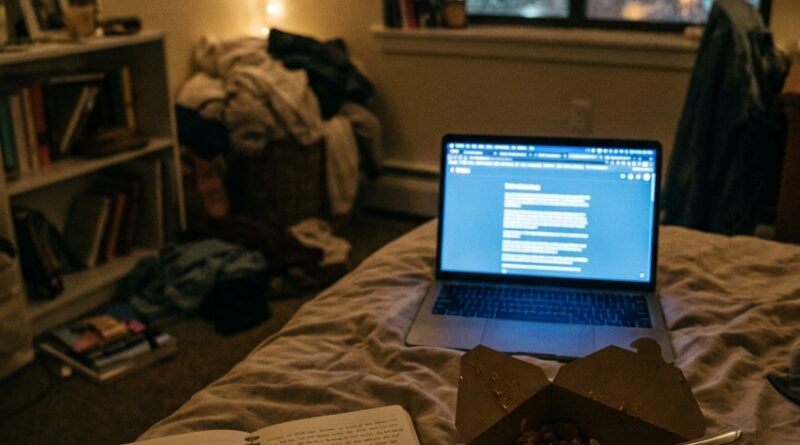
If your feed has started to feel weirdly fake, you are not imagining it. Between glossy vacation dumps, face-tuned selfies, and “casual” posts that somehow look like ad campaigns, a lot of people are tired of scrolling through perfection. That exhaustion is exactly why the tiktok sleepy girl scrapbook trend is taking off. These posts look soft, dim, blurry, and almost accidental. A bedside lamp. A half-eaten pasta bowl. A laptop snapped shut at 1:47 a.m. Mascara left on. Nothing dramatic, yet the message is clear. I’m overwhelmed. I’m surviving. I’m not going to explain every detail.
What makes this trend interesting is that it is not exactly raw and not exactly polished either. It sits in the middle. The mood says honesty, even when the carousel is carefully picked. For Gen Z especially, that middle ground matters. It offers a way to signal emotion without turning every bad night into a public diary entry. In other words, it is less about posting your crisis and more about posting the evidence that life is happening.
⚡ In a Hurry? Key Takeaways
- The tiktok sleepy girl scrapbook trend is a moody photo-dump style that quietly signals emotion without blunt oversharing.
- If you want to try it, use 5 to 8 ordinary night-mode photos and a short, understated caption instead of a long personal essay.
- It can feel safer than trauma dumping, but remember it is still curated, so do not mistake soft aesthetics for full honesty.
What is the “sleepy girl scrapbook” trend?
At its core, it is a visual diary with the volume turned down.
People are posting late-night carousels and TikToks filled with low-light snapshots. Think blurry mirror selfies, open notes-app screenshots, wrinkled bedding, takeout containers, train windows, teary eyes hidden behind flash, and the occasional “goodnight” song layered over everything. The result feels intimate, but not too intimate.
That balance is the whole point. It lets someone say, “I’m going through it,” without writing a five-paragraph caption that invites questions from strangers, classmates, exes, and coworkers.
Why it is blowing up right now
People are tired. Not just physically tired. Socially tired. Content tired.
For the past few years, posting online often felt like choosing between two extremes. You could present a polished, brand-safe version of your life, or you could swing the other way and post a very public emotional breakdown. The sleepy girl scrapbook trend offers a third option. Softer. Quieter. More controlled.
That is why it is spreading fast across TikTok and Instagram right now. It gives users a way to be seen without feeling exposed. It also fits the current mood online, where many people want authenticity but still need boundaries.
It feels casual, but it is not random
This is the part non-creators sometimes miss. These posts may look thrown together, but they are usually edited with care.
The blur is chosen. The photo order matters. The song matters. Even the “messy” photo often gets picked from ten similar shots. That does not make the trend fake. It just means it is a style. A communication style.
Think of it like wearing sweatpants that still somehow match. Comfortable, yes. Accidental, no.
Why Gen Z likes soft signaling
Gen Z grew up online, which means they also learned online consequences early. Overshare too much, and it can follow you forever. Say too little, and people assume you are fine. Soft signaling solves part of that problem.
A sleepy scrapbook post can communicate stress, loneliness, burnout, nostalgia, or quiet hope without spelling everything out. Friends who get it will get it. Everyone else just sees a moody carousel.
That makes the trend feel safer than the old-school “trauma dump” post. It creates emotional room. You are sharing a mood, not handing over your full case file.
What these posts usually include
There is no strict template, but most versions of the trend borrow from the same visual language.
Common ingredients
Low-light photos are a big one. Night mode, grain, lamp glow, flash reflections, and dark shadows all help create the feeling.
Then come the ordinary details. Not the highlight reel. More like:
- half-finished meals
- screenshots of playlists or weather apps
- closed laptops after a long night
- blurry selfies in pajamas
- streetlights through a car window
- a pet asleep on the bed
- journal pages or a book with a bent spine
Captions are often minimal. A single sentence. A lowercase thought. Maybe no caption at all.
Why this feels more “real” than polished influencer content
Because it leaves room for texture.
Perfect content often strips life down to the cleanest angle. The sleepy scrapbook style does the opposite. It keeps the mess, but in a controlled way. That makes it easier for viewers to project their own feelings into it.
And that is powerful. A hyper-edited beach post tells you what to admire. A grainy 2 a.m. bedroom photo invites recognition. You do not just look at it. You remember your own version of that night.
The catch: authenticity is still being performed
It is worth saying plainly. Even “real” looking content can become its own performance.
Once a style gets popular, people start copying the visual cues whether or not the emotion is there. Suddenly everyone is posting blurry lights and sad-girl playlists because the format works. That does not mean the feelings are fake. It just means aesthetics spread fast.
So if you are watching this trend unfold, keep two ideas in your head at once. Yes, it is a move away from overly polished posting. And yes, it is still a curated social language.
How to join the trend without oversharing
If you like the mood of the trend but do not want your personal life picked apart, you can take the useful part of it and skip the burnout.
1. Post moments, not explanations
Use images that suggest your week instead of spelling out every emotion. A desk at midnight says plenty.
2. Keep the caption short
A simple line works better than a full confession. Think “long day” or “recent nights” instead of a detailed breakdown.
3. Pick boundaries before you post
Ask yourself what you do not want questions about. Then leave those pieces out. Soft signaling works best when you stay in control of the signal.
4. Do not force the sadness
The trend is moody, but it does not need to be miserable. Cozy counts too. Exhausted, reflective, healing, numb, relieved. It is all part of the same visual language.
What brands and creators should learn from this
If you make content for a living, the lesson here is not “start faking blur.” It is simpler than that. People are craving signs of life, not just signs of polish.
The posts connecting right now are specific and small. Not “living my best life.” More “microwave dinner after a 12-hour day.” Not “big feelings.” More “here is the lamp that saw me cry and finish my assignment.”
That specificity is what makes the trend feel human.
Why this matters beyond TikTok
This is bigger than one microtrend. It shows how online culture is shifting from loud confession to quiet implication.
For years, attention went to the boldest posts. The hottest takes. The biggest reveals. Now people seem more interested in emotional breadcrumb trails. Less speech. More atmosphere.
That may be healthier for some users. Not everyone wants to process life in public. Sometimes a dimly lit photo dump says enough.
At a Glance: Comparison
| Feature/Aspect | Details | Verdict |
|---|---|---|
| Visual style | Night-mode photos, blur, grain, flash, ordinary late-night moments | Feels more intimate than polished influencer content |
| Emotional message | Hints at burnout, sadness, comfort, or coping without spelling everything out | Useful for sharing mood while keeping boundaries |
| Risk level | Less exposing than a trauma dump, but still curated and open to misreading | Good middle ground, if you stay mindful about privacy |
Conclusion
The reason this matters right now is simple. Sleepy girl scrapbook posts are exploding because they offer a softer option between polished perfection and full emotional oversharing. They mix blurry mirror pics, half-finished meals, closed laptop shots, and 2 a.m. reflections into a quiet status update that says, “I’m tired, I’m coping, I’m still here.” For readers, creators, and anyone exhausted by performative online life, the tiktok sleepy girl scrapbook trend is a useful clue about where culture is heading next. Less shouting. More signaling. Less perfection. More texture. If you want to join in, you do not need to fake a breakdown or build a brand. Just post what your real week actually looked like, and let the mood do the talking.