Inside TikTok’s ‘Manifestation Roulette’ Wave: How Randomized Wish Videos Quietly Turned Spirituality Into a Daily Mini‑Game
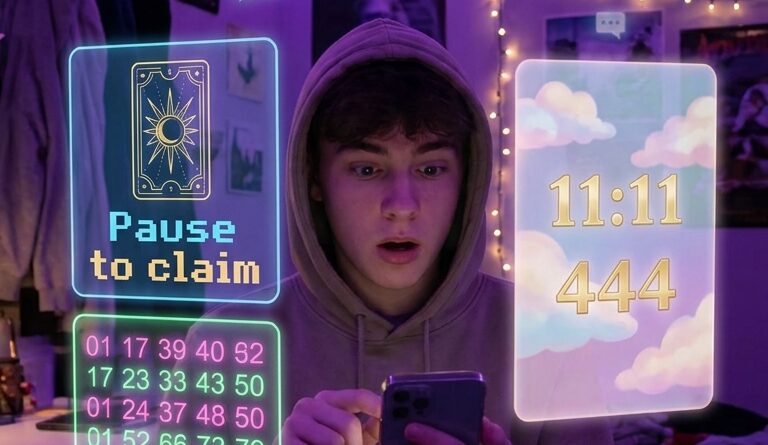
If your TikTok feed suddenly feels like a slot machine for your soul, you are not imagining it. A lot of people are burned out on the polished manifestation world. The one that says you need a perfect morning routine, a fresh journal, a full moon bath, and probably one more rose quartz purchase before the universe will answer your text. So this new wave feels different. It is messier, faster, and weirdly more honest about the mood of the moment. The tiktok manifestation roulette trend turns spiritual reassurance into a mini-game. Swipe. Pause. Pick a card. Wait three seconds. The next sound, color, number, or message is supposedly your sign. It is part fortune cookie, part tarot deck, part casino mechanic. And for a generation dealing with constant uncertainty, that tiny hit of hope can feel easier to handle than a 20-step self-help system.
⚡ In a Hurry? Key Takeaways
- The tiktok manifestation roulette trend turns spiritual advice into a fast, random swipe game built for short attention spans.
- If you enjoy it, treat it like light entertainment or a mood boost, not a serious life decision tool.
- The real hook is emotional relief. But the same design can keep people stuck in compulsive scrolling.
What the TikTok manifestation roulette trend actually is
At its core, this trend is simple. A creator posts a video with a prompt like, “The next card reveals your person’s intentions,” or “Pause in three seconds to get the message the universe wants you to hear.” Then comes the random part. Flashing cards. Quick cuts. Lucky numbers. Split-second choices. Sometimes the “answer” is whichever image you paused on. Sometimes it is the next video on your For You Page.
That randomness is the point. Older manifestation content asked you to do the work. Write the list. Visualize the future. Repeat the affirmation. This trend asks you to play. It removes effort and replaces it with suspense.
And suspense is sticky. It keeps people watching.
Why people are suddenly hooked
It feels lighter than classic self-help
Traditional manifestation content can start to feel exhausting. It often carries an unspoken message that if your life is not improving, you must not be trying hard enough. That gets old fast.
Manifestation roulette is different. It lowers the pressure. You are not being asked to become your highest self before breakfast. You are just being asked to tap, pause, and see what happens.
It gives anxious brains a tiny sense of control
Life feels unstable for a lot of people right now. Jobs feel shaky. Dating feels random. Rent is brutal. The future looks expensive and vague. In that kind of climate, even a silly three-second “sign” can offer a little structure.
Not real certainty, of course. But a feeling of certainty for a moment. Sometimes that is enough to keep the scroll going.
TikTok is built for exactly this kind of content
This format is native to the app. Fast editing, comments full of “claimed,” looping audio, and just enough mystery to make you stay for one more video. It blends old spiritual habits with game mechanics. That is why it feels new, even when the ideas themselves are not.
Why it works so well on the brain
The trick here is variable reward. It is the same basic mechanic that makes people keep checking notifications, opening loot boxes in games, or pulling a slot machine handle. You do not know what you will get, so your brain stays alert.
Sometimes the message feels generic. Sometimes it lands a little too perfectly. That occasional “wow, I needed that” moment is what trains people to keep coming back.
This is also why the tiktok manifestation roulette trend is more than just spiritual content. It is entertainment design. The universe is being framed like a randomizer.
How spirituality got turned into a daily mini-game
What is interesting here is not just that people want signs. People have always wanted signs. It is that the signs now arrive through platform logic. Short videos, algorithmic timing, comment bait, and visual suspense all shape the experience.
Instead of a quiet ritual, you get a fast trigger-response loop. Instead of a personal reflection practice, you get social participation. Everyone is in the comments comparing what they paused on, what card they got, or whether the message “worked.”
That turns private hope into public gameplay.
Is it harmless fun or something more complicated?
Mostly, it sits in a gray area. For some people, these videos are just comfort content. No different from reading a horoscope, cracking open a fortune cookie, or rewatching a favorite scene when life feels rough.
But there is a catch. If you start using random TikTok signs to make big emotional decisions, things can get messy. Especially around money, relationships, breakups, or health. A dramatic “he is coming back” video can feel reassuring. It can also keep someone emotionally stuck.
That is the part worth paying attention to. The format feels playful, but the feelings underneath it are often not playful at all.
What creators understand about the moment
Creators making these videos are tapping into a very specific mood. People are tired, skeptical, overstimulated, and still looking for meaning. That is a hard audience to reach with polished guru energy.
So the new version strips away the sermon and keeps the thrill. It says, in effect, “I know life is weird. Here is a tiny interactive hope machine.”
That is smart. It meets viewers where they actually are.
What viewers should keep in mind
Use it as a prompt, not a prophecy
If a video tells you to focus on rest, confidence, or patience, fine. Take it as a journal prompt if it helps. But if a random pause screen starts making choices for you, it is probably time to step back.
Watch for compulsive looping
If you catch yourself thinking, “Just one more sign,” that is your clue. The format is designed to keep you searching for the better answer. That does not mean you are weak. It means the content is doing its job.
Notice what you are really looking for
Often people are not looking for magic. They are looking for reassurance. That is a very human thing. Once you spot that, you can decide whether TikTok is actually helping with it or just stretching it out.
Why this trend matters beyond TikTok
This is the bigger cultural story. Gen Z is not necessarily rejecting self-help or spirituality. They are remixing it. Making it faster, funnier, lower stakes, and more playable. The language of healing is staying. The format is changing.
That matters if you watch internet culture for a living, build content, or just like understanding why certain ideas spread. The tiktok manifestation roulette trend shows how quickly serious emotional needs can be repackaged into snack-size media without losing their pull.
It is not really about tarot cards or angel numbers alone. It is about coping style. And right now, coping style looks a lot like a game.
At a Glance: Comparison
| Feature/Aspect | Details | Verdict |
|---|---|---|
| Format | Fast “pause to claim,” pick-a-card, lucky number, or next-video-is-your-sign mechanics | Perfectly built for TikTok attention habits |
| Emotional appeal | Offers low-effort comfort and a quick feeling of guidance during stressful times | Helpful as light reassurance, not as hard truth |
| Risk | Can encourage repetitive scrolling and overreading random content as fate | Fun in moderation, shaky as a decision-making system |
Conclusion
The reason this trend matters is simple. It sits right where spirituality fatigue meets short-form chaos. People are tired of being lectured by perfect manifesting gurus, but they still want comfort, hope, and a sense that something good might be around the corner. So creators are turning that need into a swipeable game. That explains why your feed is suddenly packed with tarot flips, lucky numbers, and “pause to claim” overlays again. It also gives anyone tracking culture a useful clue about where online self-help is heading next. Gen Z is not tossing out the search for meaning. They are rebuilding it in a format that feels easier to survive, easier to share, and a lot more playable in an uncertain 2026 mood.