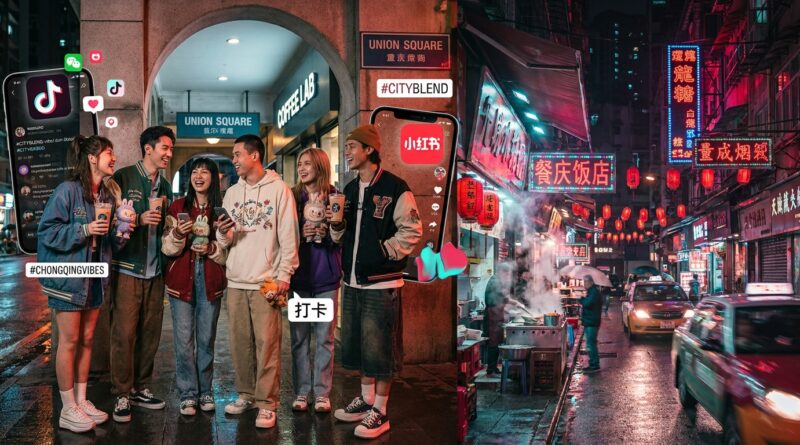
Inside TikTok’s ‘China-Maxxing’ Wave: How Adopting Everyday Chinese Aesthetics Quietly Became Gen Z’s Boldest New Identity Hack
Your feed is not imagining this. One week it was quiet luxury and Brat summer leftovers. The next, it was neon alley photo dumps, shaky late-night skewer vlogs, iced drinks in Luckin-style cups, and comments full of people joking that they are “China-maxxing” now. If you feel a little lost, that is fair. The trend moves fast, and it is hard to tell whether this is just another internet costume change or something bigger. The short answer is that it is both. China maxxing on TikTok is an aesthetic trend, but it also reflects a real shift in what Gen Z sees as aspirational, modern, and online-cool. The key is not to panic or romanticize it. You just need a clear read on what you are actually seeing, why it is catching on, and where curiosity ends and propaganda or cringe begins.
⚡ In a Hurry? Key Takeaways
- China maxxing on TikTok is more than a meme. It is a mix of style trend, platform shift, and new fascination with everyday Chinese urban life.
- If you want to join in, copy the vibe less and learn the context more. Follow actual Chinese creators, credit sources, and avoid turning a whole culture into a costume.
- The upside is broader cultural curiosity. The risk is falling for polished soft-power messaging or flattening China into a few trendy visuals.
What “China-maxxing” actually means on TikTok
The phrase sounds jokey because it is. Like a lot of internet slang, it takes a serious shift and wraps it in irony. On TikTok, “China maxxing” usually means adopting bits of Chinese-coded internet culture, shopping habits, food trends, city aesthetics, or lifestyle signals that look fresh compared with the tired American app cycle.
That can mean a lot of things:
The visual layer
Think rainy Chongqing-style alley edits, convenience store hauls, bright delivery-scooter street scenes, glossy mall interiors, tiny apartment setups, urban train clips, and high-saturation food videos. Xiaohongshu-inspired editing is a big part of this. It often looks cleaner, denser, more intimate, and more alive than the usual Western lifestyle post.
The product layer
Labubu dolls and dupes. Blind boxes. Chinese skincare. Phone charms. Fashion pieces that feel halfway between kawaii, streetwear, and practical commuter style. Drinks that mimic Luckin Coffee branding and cafe culture. Even stationery and lunch gear show up here.
The behavior layer
This is where it gets more interesting. People are not just watching. They are changing what they buy, how they edit, what apps they download, and what kind of city life they now see as desirable.
If you have noticed a similar vibe spreading beyond one hashtag, that is because it is connected to a bigger shift in online behavior. Why Everyone Is Suddenly ‘Becoming Chinese’ Online (And How To Join In Without Being Cringe) gets at that fast-moving feed change pretty well.
Why Gen Z is suddenly into it
This is not happening for one reason. It is a pile-up of cultural fatigue, algorithm drift, global curiosity, and plain old aesthetics.
1. The US-centered internet feels stale
A lot of young users are bored. The same creator voice. The same apartment decor. The same wellness routines. The same beige minimalism. China maxxing feels new because it introduces a different visual grammar. Different stores. Different city rhythms. Different food. Different consumer brands. Different ideas of what “normal cool” looks like.
2. Everyday Chinese life is being reframed as aspirational
Not in a grand political way, at least not at first. More in a practical lifestyle way. Fast trains. Cheap late-night food. Dense walkable cities. Cute packaging. Futuristic malls. Cashless convenience. To a Western teen staring at rent spikes and suburban boredom, that looks exciting.
3. TikTok trained users to shop culture through aesthetics
TikTok is very good at turning cultural details into identity kits. Cottagecore did it. Clean girl did it. Mob wife did it. China maxxing is similar, except it pulls from a living national culture and current geopolitical rival, which makes it more loaded.
4. Post-TikTok anxiety pushed people toward platform alternatives and adjacent cultures
Every time TikTok faces political heat, users start looking around. That leads them to other ecosystems, especially ones linked to Chinese internet culture, shopping platforms, and creator styles. Even if they never fully leave TikTok, the curiosity spills back onto the app.
5. Irony makes it easier to try on
Calling something “maxxing” lets people experiment without fully committing. If anyone pushes back, they can claim it is just a joke. But jokes are often how real cultural shifts sneak in.
What the aesthetic usually includes
If you want a quick decoder, here are the common building blocks of the China maxxing TikTok trend.
Urban night-life edits
Busy sidewalks. Vertical signs. Steam from food stalls. Reflections after rain. Electric scooter traffic. Handheld footage that feels spontaneous but still stylish.
Food content
Street barbecue, tanghulu, hotpot, noodles, milk tea, packed lunch videos, convenience-store snacks, and cafe drinks that look highly branded and photogenic.
Toy and accessory culture
Labubu leads the pack because collectible figures are catnip for TikTok. But the broader appeal is cute-chaotic design. Plush clips, mini bags, keychains, badges, and desk toys all fit the vibe.
Xiaohongshu-style self-presentation
More polished than a random dump post, but softer and less loud than old-school influencer content. You see tight framing, pastel grading, subtle luxury, and “ordinary but ideal” moments.
Functional fashion
Looks that feel practical first and cute second. Layered basics. Sneakers. Oversized outerwear. Hair accessories. Campus-to-cafe outfits. Less look-at-me, more effortlessly assembled.
Is this a real cultural shift or just another micro-aesthetic?
It is real enough to matter, even if the label itself fades.
The phrase “China maxxing” may not last. Internet names rarely do. But the behavior behind it probably will. Young users are broadening their idea of what global cool looks like. For a long time, the online aspiration pipeline ran mostly from the US, Japan, South Korea, and bits of Europe. China is now showing up much more directly in that mix.
That does not mean everyone is becoming an expert on China. Far from it. It means Chinese consumer culture, city imagery, product design, and lifestyle content are becoming part of the everyday reference pool online. That is a bigger change than one hashtag.
Where the upside is
There is a reason this trend has momentum beyond novelty.
It can widen people’s cultural frame
For many users, this is their first sustained exposure to everyday Chinese life that is not filtered through headlines about trade, surveillance, or military tension. Seeing ordinary routines, trends, and humor can make a country feel less abstract.
It challenges lazy assumptions
A lot of Western coverage of China is either fear-based or business-only. TikTok clips of cafes, fashion, art toys, transit, and nightlife complicate that picture. That is useful, even if it starts with something as silly as a blind box haul.
It creates room for more global taste
This is one of the healthiest things the internet can do when it is at its best. It lets people borrow inspiration from outside their national bubble. New references make culture less boring.
Where the risks are
This is the part people skip because it is less fun than buying a plush keychain. But it matters.
Soft power is real
Not every pretty city edit is propaganda. But polished lifestyle content can still shape opinion. A stream of glossy, friction-free images can quietly present a country as uniquely efficient, modern, and desirable while leaving out the harder parts. That is not unique to China, by the way. Every major culture exports flattering self-images. Still, it is worth noticing when you are being emotionally nudged by repetition.
Fetishization is easy
There is a thin line between appreciation and flattening. If your version of China is just “cool neon alleys, cute toys, and cheap snacks,” that is not understanding. It is mood-boarding a country.
Algorithms reward shallow confidence
The people explaining this trend the loudest are not always the ones who know the most. TikTok tends to push clean narratives. “China is the future.” “The West is washed.” “Everything there is better.” Nice, punchy story. Often incomplete.
Dupes can blur into junk
Some of the shopping tied to this trend is harmless fun. Some of it is low-quality copycat merchandise sold through murky storefronts. If you are buying because a vibe told you to, slow down.
How to engage without being cringe
You do not need to swear off the trend. You just need better habits than the average comment section.
Follow people, not just aesthetics
Try to find actual Chinese creators, especially those posting about daily life, design, food, language, and local culture in a grounded way. The more human your feed gets, the less likely you are to reduce a whole country to a filter preset.
Learn what things are called
If you love a food, accessory, app style, or design trend, learn its name and where it comes from. Five minutes of context goes a long way.
Do not perform expertise after three videos
This is the big one. You can enjoy the trend without turning into a self-appointed geopolitics expert or making grand declarations about which country “won” modern life.
Buy selectively
If you are into the products, start small. Check quality. Check sellers. Be especially careful with skincare, food imports, and off-brand electronics.
Keep the joke light
The “maxxing” language is funny until it slides into caricature. If your content starts sounding like costume play for clout, you have probably gone too far.
What to watch next
If this trend keeps growing, expect a few things to happen.
More crossover shopping
Products tied to Chinese toy culture, cafe branding, and urban lifestyle aesthetics will keep spreading, especially through resellers and imitation brands.
More city-content envy
Dense, walkable, highly visual urban life plays well online. Expect more comparisons between Western city boredom and East Asian city energy.
More debate about influence
As the trend grows, people will argue about whether it is harmless curiosity, clever marketing, or subtle political image-building. The answer will probably be all three at once.
At a Glance: Comparison
| Feature/Aspect | Details | Verdict |
|---|---|---|
| Aesthetic appeal | Neon city edits, cute collectibles, food vlogs, polished Xiaohongshu-style posts, and practical fashion make the trend feel fresh and highly shareable. | Very real appeal. Not just hype. |
| Cultural value | Can broaden exposure to everyday Chinese life and push people beyond stale US-only references, but only if users seek context and real voices. | Worth exploring carefully. |
| Main risk | Soft-power messaging, shallow fetishization, and impulse buying of low-quality dupes can turn curiosity into confusion or cringe. | Stay curious, not gullible. |
Conclusion
China maxxing on TikTok matters because it is no longer just a niche joke. It is becoming a real way people signal taste, curiosity, and even frustration with the old internet defaults. If you understand the pieces, Labubu dolls, street food vlogs, Xiaohongshu-style city edits, the pull of aspirational everyday life, the backlash to US-centric platforms, and the very real risks of shallow fetishization or polished state-friendly narratives, you are already ahead of most of the conversation. That helps right now because this trend sits right where geopolitics, soft power, and daily scrolling meet. So do not just copy the look and move on. Read the signals. Ask who is posting, what is being sold, and why this vibe feels so magnetic in the first place. That is how you stay informed without becoming cynical, and interested without getting played.