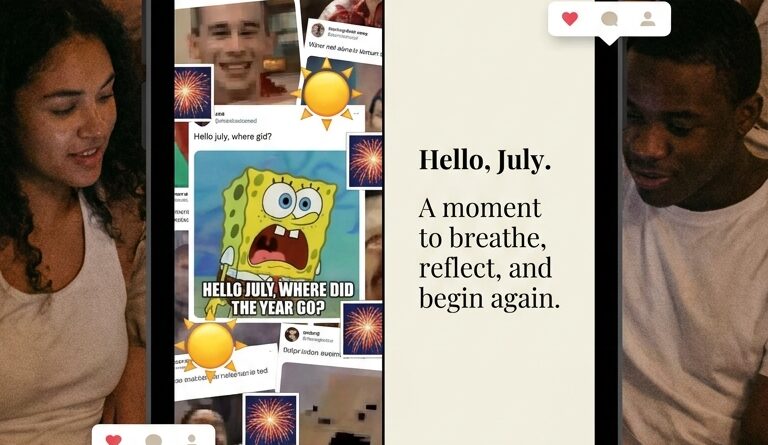
Inside TikTok’s ‘Hello July’ Meme Rush: How A Monthly Check‑In Became Gen Z’s New Emotional Weather Report
Your TikTok feed did not suddenly become obsessed with the calendar by accident. The flood of “Hello July” posts, usually mixing cute summer clips with low-key panic, hits because a new month gives people a socially safe way to say, “I am behind, I am hopeful, I am tired, and I want a reset.” If that sounds like a lot to pack into one meme, that is exactly the point. What looks like filler content is really a quick emotional check-in dressed up as a joke. That is why the Hello July meme trend feels so familiar and so intense at the same time. It lets people talk about time, goals, burnout, money, summer plans, and identity without having to post a full diary entry. For Gen Z especially, the meme works like an emotional weather report. Short. Shareable. A little ironic. But also weirdly honest.
⚡ In a Hurry? Key Takeaways
- The Hello July meme trend is not random spam. It is a monthly reset ritual that doubles as a public mood update.
- If you want to post one that lands, make it specific. Mix humor, one real feeling, and a detail people recognize from their own life.
- Do not force it like a brand slogan. These memes work because they feel human, a bit messy, and emotionally on time.
Why “Hello July” suddenly takes over your feed
The simple answer is timing. TikTok loves moments that everyone can join at once. A new month is perfect for that. No setup needed. No fandom knowledge required. No special skill needed to participate.
But the bigger reason is emotional. Month-change memes give people a clean excuse to post about where their head is at. July is especially loaded. It sits in that awkward middle stretch of the year where people start doing the math.
Half the year is gone. Summer is either happening or slipping away. Resolutions are looking shaky. Money may be tight. Vacation plans might be real, fake, or still in the group chat.
So “Hello July” becomes shorthand for all of it.
What the Hello July meme trend is really saying
Most of these posts land in one of three moods.
1. Hopeful reset
This is the version with beach clips, fresh playlists, and captions like “new month, better me.” It is aspirational, but usually with a wink. People want a restart, but they also know they said that in May and June.
2. Soft panic
This is the “why is it already July” lane. These memes hit because they turn time anxiety into a group activity. Instead of privately freaking out, people make a joke and let the comments do the rest.
3. Exhausted irony
This is probably the strongest format right now. Think cheerful “Hello July” text slapped over clips of someone lying face down, checking their bank app, or staring into space. The contrast is the joke. It says, “I am participating in the optimism, but please know I am barely holding it together.”
That mix of sincerity and irony is the whole engine. If a post is too cheerful, it feels fake. If it is only cynical, it misses the social part. The sweet spot is “I am joking, but I mean it.”
Why Gen Z uses memes like emotional weather reports
Older internet culture often treated status updates as direct statements. Today, a lot of younger users would rather post a format than a confession. The format does some of the talking for them.
That matters because it lowers the risk. Saying “I feel behind in life” is vulnerable. Posting “Hello July” over a clip of someone stress-cleaning their room is safer. The meme carries the emotion without forcing a full explanation.
It also invites group participation. Friends can stitch it, repost it, or comment “same.” That turns a lonely feeling into a shared one in seconds.
So yes, it is a meme. But it is also social shorthand for things people do not always want to say directly.
Why this trend spikes harder in 2026
The Hello July meme trend is not brand new, but it feels louder now because a few habits have stacked on top of each other.
Calendar content is easy and fast
Platforms reward anything that is timely and easy to remix. “Hello July” gives creators a ready-made hook. Swap in your own photos, a trending sound, and one line of text. Done.
People are tired of polished self-improvement talk
There is a growing allergy to perfect morning routines and fake productivity. Monthly memes let people talk about goals without sounding like they are selling a course.
Identity is getting posted in fragments
A lot of social posting now is less “here is who I am” and more “here is my mood today.” Monthly memes fit that perfectly. They are temporary, low-stakes, and emotionally legible.
How to read the room before you post
If you want to join the trend without sounding forced, look at the emotional temperature first.
Ask yourself what people in your corner of TikTok are doing. Are they being dreamy, chaotic, broke, overworked, flirty, nostalgic? The format may be the same, but the mood shifts by community.
A good post usually has three ingredients:
- A recognizable feeling
- A specific detail from real life
- A tone that is slightly self-aware
For example, “Hello July” over a generic sunset might get ignored. “Hello July” over a video of you opening a planner you have not touched since February is much more likely to connect.
What works, and what instantly feels fake
What works
Specificity. Mess. Tiny truths.
Posts land when they feel like they came from an actual person with an actual month ahead of them. Think messy desk, unread emails, summer rain, gym guilt, travel day chaos, iced coffee optimism, or “I cannot believe it is July and I still have not…” energy.
What feels fake
Over-designed quotes. Corporate cheerfulness. Captions that sound like they were generated from a “summer engagement strategy” document.
This is where brands usually get into trouble. They copy the format but miss the emotional honesty. The result feels like calendar wallpaper, not culture.
How brands and creators can use the trend without trying too hard
If you run an account for a business, creator page, or side hustle, the safest move is to post from a human angle.
Good examples:
- A bookstore posting “Hello July” with a stack of abandoned beach reads and “we swear we will finish one this month”
- A coffee shop posting “Hello July” with a barista melting next to the iced drink rush
- A solo creator posting what they thought summer would look like versus what it actually looks like
Bad examples:
- “Hello July. Time to crush your goals.”
- “New month, new opportunities.”
- Anything that sounds like a motivational poster from a waiting room
The safest rule is simple. Post like a person, not a campaign.
How to make your own Hello July post actually land
Use a real tension
The strongest memes have a little friction in them. Excited for summer, but broke. Ready for a reset, but tired. Wanting romance, but mostly answering emails.
Keep the caption short
Let the image or clip do the heavy lifting. One line is often enough.
Do not over-explain the joke
If people get it, they get it. If the meme needs a paragraph to function, it is probably not a meme anymore.
Use sound carefully
A trending audio can help, but only if it matches the mood. The wrong sound can make a good post feel out of touch.
Post fast
Seasonal memes have a short shelf life. “Hello July” works best right at the turn of the month. Wait too long and it starts feeling late.
Why people should not dismiss this as “just cringe”
It is easy to roll your eyes at monthly memes. Some of them are repetitive. Some are lazy. A lot of them do blur together.
Still, trends like this are useful if you care about how people actually communicate online. The Hello July meme trend shows that many users do not want either polished life updates or deep confessions. They want something in between.
That middle space matters. It is where humor, burnout, hope, and self-presentation all mix together. If you understand that, you understand a lot more than one passing meme.
At a Glance: Comparison
| Feature/Aspect | Details | Verdict |
|---|---|---|
| Core purpose | A monthly meme that doubles as a mood update, reset button, and time-anxiety joke | More meaningful than it looks |
| Best posting style | Short caption, relatable visual, one honest detail, slightly ironic tone | Most likely to connect |
| Biggest mistake | Posting generic motivation or polished brand-speak with no real emotional signal | Usually falls flat |
Conclusion
The reason this trend is everywhere is also the reason it matters. The Hello July meme spike is not just calendar cringe. It is a fast, public, low-pressure way for people to talk about time, productivity, money, burnout, hope, and who they think they are becoming halfway through the year. If you can read that, you can read the room better. And if you want to post, you now know what makes one of these land: be timely, be specific, and sound like a human being. That is the real value here. Not just spotting a meme, but understanding what it says about how people are feeling right now.