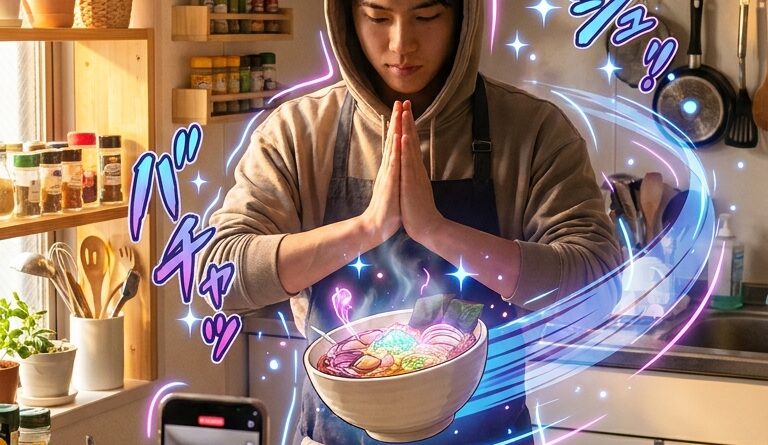
Inside TikTok’s ‘Food Jutsu’ Obsession: How Anime‑Style Meal Transitions Became 2026’s Biggest Flex At The Dinner Table
You are not imagining it. Food videos have gotten weirdly samey. Same top-down plate shot. Same soft-focus meal prep. Same polished “what I eat in a day” edit that somehow looks more like an ad than lunch. So when an anime-style clip suddenly cuts from empty counter to full ramen spread, or from grocery bag to glowing bento box with a hand flick and a sound hit, it feels fresh. That is the whole appeal behind the TikTok food jutsu trend explained in plain English. It is a fast, playful editing style that borrows the dramatic transformation energy of anime and drops it into everyday food content. The good news is the trick is not expensive gear or pro editing magic. It is mostly timing, camera locking, one strong transition, and a little confidence. If you can hold your phone still and commit to the bit, you can probably make one.
⚡ In a Hurry? Key Takeaways
- The food jutsu trend is an anime-inspired food transition where a gesture, clap, chop, or camera whip makes a meal appear, transform, or level up instantly.
- Start with one locked camera angle, one simple hand move, and a before-and-after food setup. The edit matters more than fancy cooking.
- You do not need expensive gear, but you do need clean cuts, good lighting, and care with knives, steam, and hot pans if you film dramatic kitchen shots.
So what is “food jutsu,” exactly?
Think of it as a mini transformation scene for dinner.
The creator sets up a basic food moment. Maybe it is plain noodles, an empty plate, a takeout box, or a sad little fridge shot. Then comes the “jutsu” part. A hand sign. A chop toward the lens. A napkin toss. A quick pan. A finger snap. On the beat, the scene cuts to the upgraded version. Suddenly the noodles are fully dressed, the plate is stacked, or the table looks like a feast appeared out of nowhere.
It feels theatrical on purpose. That is why people are stopping to watch.
The format borrows from anime transformation language, especially action series where a pose or motion triggers a dramatic change. TikTok creators took that visual grammar and applied it to food. The result sits in a sweet spot between joke, recipe, and reveal.
Why it is blowing up now
Most trends take off because they solve a boredom problem. This one does exactly that.
Food TikTok has been stuck in a loop. Beautiful, yes. Surprising, not really. Food jutsu breaks that pattern because it adds story. Even in a ten-second clip, there is setup, suspense, and payoff.
It turns a meal into a tiny performance
You are not just showing tacos. You are summoning tacos. That sounds silly, but silly is part of the charm. People want personality back in short-form video.
It works with cheap tools
This matters a lot. Unlike some trends that need a drone, a studio kitchen, or advanced color grading, food jutsu can look good with a phone, window light, and a chair used as a tripod.
It crosses audiences fast
Anime fans get the reference. Foodies like the reveal. Casual viewers just enjoy the visual surprise. Brands and restaurants love it because it can make a simple dish feel event-worthy without a huge production budget.
The basic formula behind the trend
If you want the TikTok food jutsu trend explained without the hype, here is the simple formula:
- Show a “before” scene.
- Use one bold gesture or motion.
- Cut on that motion.
- Reveal the “after” scene in the exact same framing.
- Add sound that sells the impact.
That is it. The magic is not really magic. It is visual continuity.
What makes it feel convincing
The camera angle has to match before and after. Your hand has to move through the same path. The plate or bowl should stay in roughly the same position unless the whole joke is chaos. The tighter those details line up, the better the illusion feels.
The easiest way to film one at home
If you have never made one, do not start with a twelve-step recipe. Start with toast. Or instant ramen. Or iced coffee. You are learning a transition, not auditioning for a cooking show.
Step 1: Lock your phone in place
Use a tripod if you have one. If not, use books, a mug, or anything sturdy. The phone cannot drift between shots. A tiny shift can make the cut look messy.
Step 2: Shoot the empty or unfinished version
Maybe it is an empty plate. Maybe it is plain rice. Maybe it is a lunchbox before packing. Keep the frame simple.
Step 3: Pick one gesture
Good beginner moves include:
- A finger snap
- A chop toward the camera
- A plate slide
- A dish towel whip
- A hand sign over the bowl
Step 4: Freeze the end position in your mind
This is the part people skip. If your hand ends near the center of the frame in shot one, it should start there in shot two. Matching motion is everything.
Step 5: Replace the food with the finished version
Do not move the phone. Just swap the scene, then repeat the motion.
Step 6: Cut on action
In TikTok, CapCut, or any simple editor, trim right at the peak of the motion. The faster and cleaner the cut, the better.
Step 7: Add a sound hit
A whoosh, clap, bass hit, or anime-style impact sound can do a lot of work here. Sound often makes a decent edit feel great.
Why some food jutsu videos get millions of views
Because they are not really about the recipe.
The biggest clips usually nail at least two of these things:
- A strong visual change, like plain to extravagant
- A funny point of view, like “when payday hits” or “midnight snack final form”
- A satisfying sound sync
- A little self-awareness instead of trying too hard to look perfect
That last point matters. Food jutsu works because it feels playful, not overmanaged. A slightly lo-fi vibe can actually help.
Ideas that work for different kinds of creators
You do not need to be a full-time food influencer to use this format.
For home cooks
Show the jump from pantry basics to a finished comfort meal. “Rice, egg, soy sauce” turning into a glossy late-night bowl is exactly the kind of reveal this trend likes.
For local restaurants
Use it for dish drops, lunch specials, dessert reveals, or table-side service moments. One server gesture can flip a boring menu promo into something people actually watch.
For lifestyle creators
Tie the meal to mood. “After a brutal day” can cut into a cozy pasta bowl. “Sunday reset” can transform a bare counter into a matcha and breakfast spread.
For brands
Keep the branding light. If it feels like an ad first, the trend falls flat. Let the transformation be the hook and let the product live inside it.
Common mistakes that make it look cheap
Some roughness is fine. Sloppiness is different.
Moving the camera
This is mistake number one. If your frame jumps, the illusion breaks.
Doing too many transitions
One great reveal beats four average ones. New creators often pile on effects when one clean cut would do more.
Ignoring lighting
If the before shot is cool and dim and the after shot is warm and bright, the cut feels accidental. Try to keep the lighting consistent.
Making the gesture too small
The action needs to read quickly. Tiny finger movements get lost on a phone screen.
Forgetting the story
A transformation without a point is just a trick. Give it a caption or premise people can latch onto.
Do you need CapCut, presets, or fancy effects?
No. Helpful, yes. Required, no.
The trend looks advanced because the best creators have good timing, not because they own secret software. TikTok’s built-in editor can handle a basic version. CapCut makes trimming and sound syncing easier, but the core technique is the same.
If you want to improve fast, spend more time planning the cut than shopping for apps.
How to make it feel original instead of copy-paste
This is the part that separates trend-chasing from actual creativity.
Use your real food life
Do not fake a perfect dinner table if your audience knows you for dorm meals, family cooking, meal deals, or chaotic work lunches. The format is flexible. Your version should still sound like you.
Add a point of view
Examples:
- “Trying to impress my in-laws with pantry food”
- “My lazy lunch using one hand sign and leftovers”
- “Date night at home, budget edition”
Use contrast
The bigger the change, the more satisfying the payoff. Plain to fancy. Empty to overflowing. Messy fridge to plated dish.
Is this just another one-week TikTok gimmick?
Maybe as a pure trend sound, yes. As a format, probably not.
That is the bigger point here. Food jutsu is part of a wider shift where short videos are getting more performative again. People are tired of polished sameness. They want style, personality, and a little homemade theater.
That gives this trend more staying power than a random dance or catchphrase. Even after the label cools off, the transition language will likely stick around in recipe videos, restaurant promos, and lifestyle content.
Safety note before you start chopping at the camera
Quick friendly reminder. If you are filming with knives, steam, hot oil, or open flame, do not let the shot become more important than the kitchen.
- Do the dramatic motion with a safe prop or after the heat is off
- Keep your phone away from splatter zones
- Do not balance your camera where it can fall into a hot pan
- Practice the hand move before filming the real take
A good transition is nice. Keeping your eyebrows is nicer.
At a Glance: Comparison
| Feature/Aspect | Details | Verdict |
|---|---|---|
| Skill needed | Basic editing, stable framing, and repeatable hand movement. No pro kitchen or cinema setup required. | Beginner-friendly |
| What drives views | Strong before-and-after contrast, clean cut timing, sound sync, and a funny or relatable point of view. | Story beats polish |
| Best use cases | Home cooking reveals, restaurant dish promos, lunch transformations, snack upgrades, and lifestyle food moments. | Very flexible format |
Conclusion
If you have been staring at these clips wondering what hidden trick everyone else learned, here is the reassuring answer. It is mostly framing, timing, and a bit of showmanship. That is why this trend matters right now. Food jutsu is not just another TikTok gimmick. It is one of the first big July formats to mix anime fandom, POV storytelling, and low-fi camera tricks in a way that regular people can actually use. Home cooks can make leftovers look fun. Local restaurants can turn one dish into a moment. Lifestyle creators can stop copying the same polished food template and start making something with more character. Best of all, you are not chasing yesterday’s meme. You are learning a format that is already spreading from creator culture into brands, hospitality, and everyday posting. Start simple. Make one clean transformation. Then see where your own style takes it.