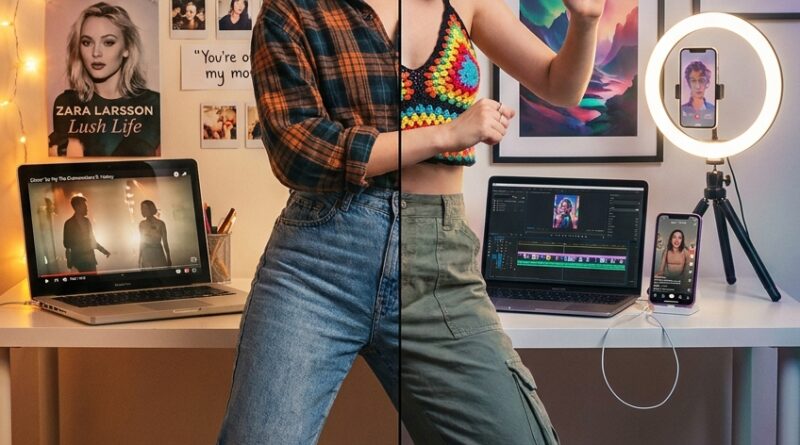
Inside TikTok’s ‘Bring Back 2016’ Wave: How Retro Feeds Quietly Became Gen Z’s Easiest New Personality Reset
Your TikTok feed is not imagining things. One minute it is the usual mix of micro-trends and inside jokes, then suddenly everything looks washed in soft flash, old iPhone nostalgia and 2016-era confidence. That can feel weirdly irritating because it is hard to tell what is genuine memory and what is just another algorithm loop trying to dress itself up as a mood. If you feel late to it, you are not alone. The 2026 is the new 2016 TikTok trend has moved past a couple of throwback audios and into something bigger. It is becoming a shortcut for identity. People are using it to look more fun, more coherent and a little less over-curated than the hyper-polished 2020s internet. The useful part is this. If you understand what is actually happening, you can join in on purpose instead of posting random old-looking clips and hoping they land.
⚡ In a Hurry? Key Takeaways
- The 2026 is the new 2016 TikTok trend is less about exact nostalgia and more about using a familiar era to reset your online vibe.
- If you want to use it well, pick 2 or 3 repeatable style signals like editing, music and captions instead of copying every throwback post you see.
- Be careful not to turn your feed into low-effort nostalgia bait. The best posts feel personal, not mass-produced by the algorithm.
Why your feed suddenly looks like 2016 again
This shift did not appear out of nowhere. TikTok has a habit of turning tiny visual cues into full social language. Once enough people start using the same camera flash, the same muted filters, the same Tumblr-ish outfit formulas and the same pop edits, the app starts grouping them together and feeding them back to anyone likely to pause.
That is how a vibe becomes a feed category.
The 2026 is the new 2016 TikTok trend works because 2016 sits in a sweet spot. It feels recent enough to be usable, but far enough away to seem carefree. For Gen Z, it can feel like early internet memory, older sibling culture or childhood-adjacent cool. For younger millennials, it feels like the last period before every post became a personal brand pitch.
So yes, it is nostalgia. But it is also editing strategy, social signaling and a gentle protest against the too-clean, too-self-aware style that has dominated lately.
What people really mean when they say “2026 is the new 2016”
They usually do not mean they want to literally go back.
They mean they want the emotional texture of that era. Messier posts. More visible personality. Less pressure to look professionally branded all the time. A little cringe is allowed again. Maybe even useful.
The key ingredients of the mood
Most of the posts riding this wave use some mix of the following:
- Soft flash photography or faux-digital camera edits
- VSCO-style color grading
- Tumblr-core clothes, poses or text overlays
- 2010s pop sounds, fan edits and dreamy audio loops
- Captions that feel less optimized and more diary-like
It is basically a controlled step back from perfection. Not ugly on purpose. Just less stiff.
Why this hits so hard with Gen Z right now
Because online life has become exhausting.
For years, people have been asked to be instantly readable online. Your feed should explain who you are, what your taste is and where you fit. That is a lot of pressure for a bunch of photo dumps and 12-second clips.
This retro wave offers a shortcut. It gives people a ready-made frame. Post in this style and others quickly read you as fun, self-aware, a little sentimental and tuned into the right internet corners.
That is why this trend feels bigger than a sound. It acts like a personality preset.
You can see similar behavior in smaller trend cycles too. A single audio often becomes a social sorting tool. That is part of why Inside TikTok’s ‘Six, Seven’ Sound Obsession: How A Throwaway Starbucks Clip Quietly Became Gen Alpha’s New Personality Test hit such a nerve. People are not just using trends for entertainment. They are using them to quietly announce who they are.
Is it real nostalgia or just another algorithm trap?
Honestly, it is both.
Some users are genuinely revisiting a time that felt simpler or more expressive. Others are following the visual cues because the app rewards familiarity. TikTok loves patterns it can identify quickly. If a post looks like other posts people are already saving, replaying or commenting on, it has a better chance of spreading.
That does not make the trend fake. It just means the app helps intensify it.
How to tell the difference
A real nostalgia post usually has some friction to it. Maybe the footage is specific, the caption reveals an actual memory or the styling reflects the creator’s real taste. Algorithm bait usually feels assembled from trend parts. Right filter, right sound, right shirt, no point of view.
If it could have been posted by anyone, it probably was built for the feed first and the person second.
How to use the trend without looking like you borrowed a personality
This is the part most people skip. They see the style, copy the top layer and end up with content that feels flat.
If you want this trend to actually help reset your online identity, start smaller.
1. Pick your version of 2016
Not everybody means the same thing by “2016.” For one person it is clean-girl’s opposite. For another it is fan edit culture, indie sleaze leftovers, festival fashion, lip gloss and blurry friend photos.
Choose your lane. Ask yourself what part of that era you actually like:
- Chaotic friend-group energy
- Soft, romantic photo diary vibes
- Pop-girl throwback confidence
- Tumblr sadness with good lighting
Once you know that, your posts get more consistent fast.
2. Build around 3 signals, not 20
You do not need a full costume change.
Pick two or three repeatable signals. For example:
- A flash-heavy editing style
- 2010s-inspired music choices
- Short, lowercase captions that feel candid
That is enough to create a recognizable mood without making your whole account feel like cosplay.
3. Use real memories if you have them
The best retro posts often mix present-day footage with something personal. Maybe an old screenshot style, a recreation of a friend photo, or a current outfit that nods to your teenage taste without copying it exactly.
Specificity beats trend compliance every time.
4. Do not overdo the throwback spam
If every post says, “remember when life felt like this,” people stop feeling it. They start seeing the machinery.
Think of nostalgia like seasoning. A little gives flavor. Too much makes everything taste the same.
How this trend can actually help your personal brand
I know, “personal brand” sounds a bit too corporate for a TikTok mood shift. But in normal human terms, it just means giving people a clear sense of your taste and point of view.
This trend helps because it is easy to understand at a glance. If you use it thoughtfully, it can make your feed feel more connected and intentional.
What that looks like in practice
- Use one editing approach across a few posts so your feed stops feeling random
- Choose music that supports your mood instead of grabbing whatever is trending that hour
- Post moments that show your real life, but frame them with a consistent visual style
- Let your captions sound like you, not like a trend template
The goal is not to become “the 2016 person.” The goal is to use the trend as a bridge into a clearer version of your own taste.
What this means for friendships and social circles online
Trends like this do more than shape posts. They shape who finds each other.
People often use shared aesthetics as a low-stakes way to connect. When someone posts in this retro mode, they are not just sharing an edit. They are inviting a certain kind of response. Comments become mini recognition signals. “You get it.” “This feels like old summer.” “I miss this version of the internet.”
That creates micro-communities fast.
If you have been feeling disconnected online, this is one reason the trend may look appealing. It offers a way back into softer, less confrontational social bonding. Not everything has to be hot takes and performance.
How to avoid getting manipulated by the vibe
This matters too. Nostalgia can make weak content feel deeper than it is.
Before you save, repost or reshape your whole feed around this trend, ask:
- Do I actually like this style, or do I just like how often I am seeing it?
- Does this post say something personal, or is it only triggering a memory reflex?
- Would I still post this if it stopped performing tomorrow?
If the answer is no across the board, that is your clue. The algorithm may be handing you a mood, not a meaning.
At a Glance: Comparison
| Feature/Aspect | Details | Verdict |
|---|---|---|
| What the trend really is | A mix of nostalgia, visual coding and social identity building, not just old songs and filters | Bigger than a passing sound trend |
| Best way to join in | Choose a specific version of the vibe and repeat a few style signals consistently | Smart if you want a feed reset without looking forced |
| Biggest risk | Posting generic throwback content that feels copied from the algorithm instead of personal | Easy to avoid if you keep it specific and honest |
Conclusion
The reason the 2026 is the new 2016 TikTok trend matters is simple. It is no longer just a cute retro loop passing through your For You page. It is becoming a culture filter, and that changes how people post, connect and present themselves online. If you treat it like just another sound trend, you will probably miss why it feels so sticky. But if you understand the mood underneath it, you can use it on purpose. You can reset your online identity a little, make your feed feel more coherent and avoid falling into lazy nostalgia spam. That is the real value here. A fuzzy vibe becomes something useful. Not just for better posts, but for clearer friendships, sharper self-expression and more thoughtful ways of deciding which memories are worth putting on camera at all.