Inside TikTok’s ‘2026 Is The New 2016’ Flashback: How A Nostalgia Hashtag Quietly Rebooted Internet Culture
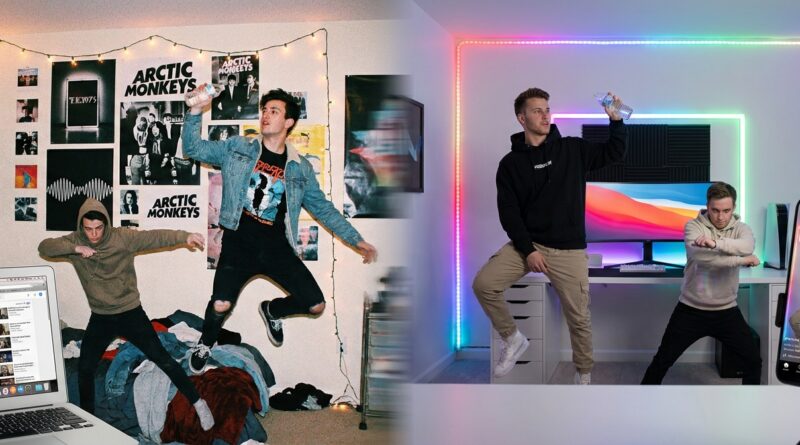
If your TikTok feed suddenly looks like someone hit “restore factory settings” on the internet, you are not imagining it. The 2026 is the new 2016 TikTok trend is real, and it is bigger than a few lazy throwback jokes. People are remaking the Mannequin Challenge, reviving bottle flips, posting blurry flash photos, and dressing like they are headed to a mall in the Vine era. It feels fun, but also a little weird. Why is everyone craving 2016 again, and why now? The short answer is that 2016 has become a symbol. For a lot of Gen Z and younger millennials, it stands for a lighter, less exhausted internet. Before lockdown routines, before nonstop bad news, before every app felt like work. If you want to understand this wave, or join it without looking like you copied the third video on your For You Page, the trick is to get the mood right, not just the props.
⚡ In a Hurry? Key Takeaways
- The 2026 is the new 2016 TikTok trend is less about exact old memes and more about bringing back a simpler, more playful internet mood.
- If you want to join in, remix the format with a current twist instead of copying 2016 shot for shot.
- Creators who understand the feeling behind the trend have a better shot at standing out than people posting pure nostalgia bait.
What “2026 Is The New 2016” actually means
On the surface, it looks like basic nostalgia. Old songs. Old jokes. Old editing styles. But this trend is doing something more specific.
It treats 2016 like a cultural reset point. A lot of users are using that year as shorthand for the last moment the internet felt messy in a fun way, not messy in a stressful way. The humor was dumber. The videos were lower effort. The stakes felt lower too.
That matters because TikTok in 2026 is crowded with polished content, sales pitches, and creators trying to sound like mini brands. A trend that says “let’s go back to 2016” is really saying, “can we stop performing perfection for five minutes?”
Why this trend is hitting so hard right now
People are tired of optimized content
For years, creators have been pushed to make everything cleaner, faster, and more strategic. Better hooks. Better lighting. Better retention. Better monetization. That works, until everyone starts looking the same.
The 2026 is the new 2016 TikTok trend feels refreshing because it gives people permission to be a little cringey again. And on TikTok, “cringey” often means human.
2016 now feels emotionally safe
Nostalgia usually kicks in hard about 8 to 12 years after a moment. That is enough time for awkward stuff to become charming. A teenager in 2016 is now an adult with bills, burnout, and way too many notifications. Looking back at that era does not just bring back trends. It brings back the feeling of having fewer layers of stress.
Pre-pandemic internet has become its own fantasy
This is the part people do not always say out loud. A lot of younger users are not just nostalgic for old fashion or songs. They are nostalgic for a version of online life that felt less heavy. The internet before the pandemic, before endless doomscrolling, before every joke turned into discourse in the comments.
That is why this trend feels bigger than a hashtag. It is a mood correction.
What creators are bringing back
You can spot the pattern pretty quickly once you know what to look for.
Old challenge energy
Not every old challenge is returning one-to-one, but the format is. Short setups. Group participation. A bit of chaos. Less explaining. More “you had to be there” energy.
Bad-on-purpose visuals
Grainy filters. Direct flash. Overexposed selfies. Sloppy text overlays. Weird freeze frames. They are not mistakes anymore. They are signals. They tell viewers this post is trying to feel spontaneous, not polished.
2016 fashion codes
Think chokers, bomber jackets, skinny sunglasses, Adidas stripes, messy mirror selfies, and “tumblr-core” styling. But usually mixed with newer pieces so it does not look like a costume.
Music that carries instant memory
Tracks from the mid-2010s are doing a lot of the heavy lifting. One familiar sound clip can trigger the whole effect before the video even gets going.
Why simple copies usually flop
This is where a lot of people get stuck. They see a trend, grab an old song, toss on a grainy filter, and call it a day. Then the post goes nowhere.
That is because nostalgia by itself is not enough. TikTok rewards recognition plus surprise. People want to feel the 2016 vibe, but they also want a reason this video exists in 2026.
The best posts do one of three things:
- They compare 2016 behavior with 2026 reality.
- They remake an old format with better self-awareness.
- They use old visuals to talk about current stress, dating, work, money, or online burnout.
In other words, the trend works when the past is used as a mirror, not just a costume box.
How to join the trend without looking try-hard
1. Start with a real memory, not a trend checklist
Ask yourself what 2016 actually felt like to you. Was it chaotic group friend videos? Peak mall culture? Early meme humor? Snapchat dog filter energy? Use one specific memory as your anchor.
That gives your post a point of view. And point of view beats generic nostalgia every time.
2. Mix one old element with one current anxiety
This is the easiest way to make the trend work. Pair a 2016 format with something very 2026.
Examples:
- A Mannequin Challenge remake, but everyone is frozen mid-doomscroll.
- A bottle flip video, but the caption is about trying to control your life with tiny wins.
- A 2016 outfit reveal with text about job hunting, rent, or social burnout.
That mix is what makes the trend feel alive instead of stale.
3. Do not over-edit it
This one is hard because modern creators are trained to clean everything up. Resist that urge a little. Leave in the awkward cut. Keep the flash too bright. Let the text sit a second longer than it should.
If it looks too perfect, it breaks the spell.
4. Use captions that sound like a person
The strongest posts in this trend often read like little confessions or inside jokes. Not polished brand copy. Think “why does this feel illegal to post in 2026” or “miss when the internet was embarrassing in a fun way.”
Keep it conversational. A little self-aware. A little vulnerable.
5. Avoid fake nostalgia
If you were six in 2016, maybe do not act like you were deep in the Vine trenches. TikTok users are surprisingly good at spotting forced memory theater. You do not need to pretend. You can frame it honestly. Maybe you are nostalgic for the leftovers of that era, or for the internet mood you caught later. That still works.
What this says about internet culture
This trend is a clue. It tells us users are hungry for an online culture that feels less corporate, less optimized, and less emotionally exhausting.
It also shows how Gen Z and young millennials use nostalgia differently from older generations. They are not just preserving the past. They are editing it. Repackaging it. Using it to process the present.
So when people joke that 2026 is the new 2016, they are not literally claiming history is repeating. They are making a wish. They want the looseness of that era without giving up what they know now.
How small creators can get ahead of the curve
If you are a small creator, this is one of those moments where understanding the emotion matters more than having a huge following.
Look for second-wave versions of the trend
The first wave is obvious remakes. The second wave is where the interesting stuff happens. Watch for people blending 2016 internet language with current topics like AI fatigue, dating app burnout, money stress, and friendship drift.
That is usually where the trend evolves and where smaller accounts can stand out.
Build series, not one-offs
If one nostalgic post lands, do not just repeat the same joke. Turn it into a mini series. “2016 things that would break in 2026.” “Old internet formats for adult problems.” “If your work group chat had 2016 energy.”
Series give viewers a reason to come back.
Watch the comments closely
The comments are where the emotional meaning gets clearer. People will tell you what they miss. What they are laughing at. What feels forced. That is free trend research, and it is often better than copying whatever the biggest creator posted that morning.
At a Glance: Comparison
| Feature/Aspect | Details | Verdict |
|---|---|---|
| What the trend is | A nostalgia-driven TikTok wave using 2016 formats, visuals, music, and humor to comment on 2026 life. | More meaningful than a random throwback. |
| Why it works | It taps into burnout with polished content and longing for a lighter, pre-pandemic internet mood. | Strong emotional hook. |
| Best way to use it | Remix old formats with current worries, jokes, or everyday realities instead of copying old memes exactly. | Best path for creators who want traction. |
Conclusion
The reason this trend matters is simple. It is peaking right now, and a lot of people are still treating it like a costume party instead of reading the room. The 2026 is the new 2016 TikTok trend is really about mood. It is about wanting the internet to feel playful again, even for a minute. If you understand that, you can do more than chase a hashtag. You can make something that feels timely, personal, and actually worth watching. That helps creators get ahead of the curve, and it helps everyone else make sense of why their feed suddenly feels like a weirdly comforting timeline glitch. Sometimes viral moments are not random at all. They are how a generation says it wants a different kind of online life.