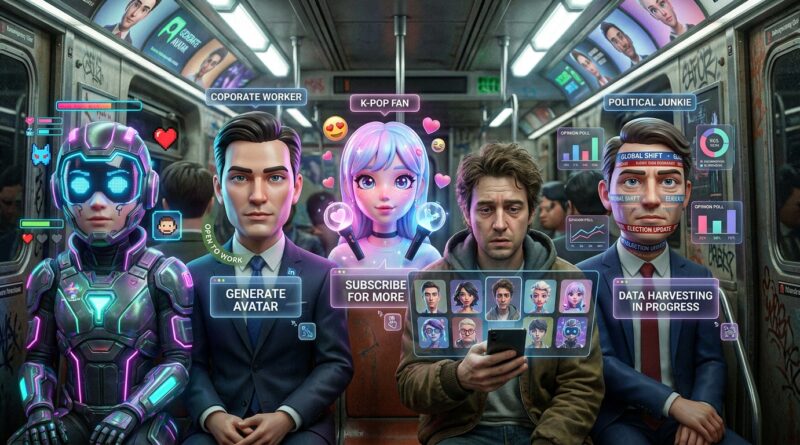
Inside TikTok’s ‘ChatGPT Caricature’ Wave: How AI Cartoon Selfies Quietly Became Gen Z’s New Social Currency
You are not imagining it. One week your feed was normal selfies and bad lighting. The next, everybody looked like a polished little 3D toy version of themselves, with perfect skin, giant eyes, and that same slightly unreal glow. If you have been wondering whether this is a TikTok filter, a ChatGPT trick, or some app everyone forgot to tell you about, you are in good company. The ChatGPT caricature trend has spread fast because it is easy to copy, easy to repost, and weirdly good at signaling that you are online enough to get the joke. It also brings real questions. Are people uploading their face to random apps. Are these images all starting to look the same. And if you post one now, do you look current or just late. The short answer is this. You have not missed it. But you do want to join carefully, and with your eyes open.
⚡ In a Hurry? Key Takeaways
- The ChatGPT caricature trend is less about one exact app and more about a shared shiny 3D portrait style people use as social signaling.
- If you want to try it, use a trusted tool, limit the photos you upload, and add your own niche twist so it looks like you, not a copy-paste clone.
- The biggest risk is not looking cringe. It is giving your face data to sketchy generators with vague privacy terms.
What is the ChatGPT caricature trend, really?
Despite the name, not every image in the ChatGPT caricature trend is made inside ChatGPT itself. That is part of the confusion.
Some people are using ChatGPT with image generation tools. Some are using third-party avatar apps and calling the result a “ChatGPT portrait” because that label travels better on TikTok. Others are using editing workflows that mix a selfie, a prompt, and a style reference.
What ties the trend together is the look. Think glossy, toy-like, semi-Pixar, semi-collectible-figure energy. The faces are cleaner than real life. The colors pop. The personality is compressed into a few strong signals, like a football shirt, protest pin, band tee, gaming headset, or niche fandom prop.
That is why this blew up. It is not just a portrait. It is a badge.
Why these AI cartoon selfies suddenly matter so much
On the surface, this looks silly. Underneath, it is doing a lot of social work.
It is a fast identity shortcut
Gen Z has always been good at turning tiny visual cues into whole personality statements. The ChatGPT caricature trend does that in one image. You can say “booktok leftist film nerd,” “Formula 1 fan with good skin care,” or “indie game person who also loves K-pop” without writing a bio.
It is low-effort participation with high visibility
You do not need to film a dance, learn an edit, or write a clever thread. You post the image, maybe add the prompt, and people instantly know you are participating in the same wave.
It looks custom, even when it is not
That is the trick. The style feels personal because it starts from your face. But after a few dozen posts, the sameness starts to show. Same lighting. Same skin finish. Same doll-like proportions. Same dead-center composition.
That tension is why people are both drawn to it and already a little tired of it.
Why everyone keeps calling it “ChatGPT” even when that is not the full story
Because “ChatGPT” has become shorthand for “AI made this,” even when the actual workflow involves several tools.
That matters for two reasons. First, it makes trends spread faster, because people only need one label to search. Second, it makes it harder for regular users to figure out where their images are actually going.
If someone says, “I made this with ChatGPT,” that could mean:
- They uploaded a selfie into ChatGPT and used an image prompt.
- They used ChatGPT to help write a prompt, then pasted it into another image tool.
- They used a separate avatar app entirely and borrowed the ChatGPT label for reach.
So when you see the ChatGPT caricature trend on TikTok, the question is not just “what prompt did they use?” It is also “what service actually processed their face?”
The privacy part people are right to worry about
This is the boring part until it is your face in a training set you never meant to join.
Many AI selfie tools ask for multiple face angles. Some request permission to keep uploaded images to improve their systems. Some bury the real terms in tiny links nobody reads because they just want the cute cartoon version.
Here is the simple rule. If the app is unknown, the terms are vague, and the pricing screen is pushy, slow down.
What to check before uploading your face
- Does the app explain whether your photos are stored, deleted, or used for model training?
- Can you delete your data later?
- Is there a real company behind it with support contact info?
- Are you being asked for way more photos than the effect should need?
- Does the privacy policy use broad language like “improve services” without saying how?
If you cannot get clear answers, treat that app like a stranger asking to borrow your driver’s license for a fun filter. Hard pass.
How people are using these portraits as social currency
This is the part that makes the trend more interesting than it first appears.
People are not only posting these AI portraits because they look cool. They are using them to show taste, politics, micro-expertise, and group membership.
Niche expertise flex
A fantasy football creator turns their portrait into a tiny analyst action figure with stats screens in the background. A beauty creator makes theirs look like luxury packaging. A coding meme account adds tiny details only developers would notice.
The portrait says, “I know my lane.”
Political signaling
Some users are building in symbolic details. Pins. Flags. Slogans on tote bags. Magazine covers in the background. It is subtle enough to feel stylish, but clear enough that the right audience gets it immediately.
Micro-fandom roll call
This might be the most TikTok part of all. One image can quietly announce your favorite anime, football club, pop star, game franchise, or podcast scene. Not loud. Just enough for your people to notice.
So yes, it is vanity. But it is also shorthand.
If you want to try the trend without looking late or generic
You do not need to be first. You need to be specific.
1. Start with one good photo, not your whole camera roll
Use a clear, front-facing image with decent lighting. Avoid uploading ten versions of your face unless the tool clearly explains why.
2. Use a trusted platform first
If you are experimenting, start with services that have recognizable names, public policies, and basic account controls. The safest version of the ChatGPT caricature trend is usually the least mysterious one.
3. Write a prompt that includes your actual personality
This is where most people flatten themselves. They ask for “3D cartoon portrait” and get the same result as everyone else.
Try adding details that are specific but visual. For example:
- “Create a glossy 3D caricature portrait of me as a vintage camera nerd with silver headphones, messy curls, navy bomber jacket, and warm bookstore lighting.”
- “Turn this selfie into a collectible-figure style portrait with indie game fan details, a handheld console, dark green hoodie, and poster wall background.”
- “Make a polished 3D cartoon version of me with football scarf, skeptical expression, streetwear, and subtle match-day stadium lights.”
The more your interests shape the output, the less you become another default AI face.
4. Avoid overediting the result
Once people start stacking smoothing, sharpening, glow, and extra face filters on top, the image slides into uncanny fast. Let the style do the work.
5. Post it with context
The funniest or most successful posts usually explain the angle. “AI turned me into the only person at the function who still buys DVDs.” That helps the post feel self-aware instead of thirsty.
How to spot when the trend has crossed into cringe
Usually when people stop using it to say something and start using it only because everyone else is.
Here are a few warning signs:
- The image could belong to literally anyone.
- The accessories feel randomly assigned instead of personal.
- The caption reads like an ad for the app.
- The creator posts three near-identical versions in two days.
- The comments are all asking “which app?” and nobody cares about the person.
Trends die when the template becomes more visible than the human.
A better way to join the ChatGPT caricature trend
If you want the upside without becoming another glossy clone, think of the image as a conversation starter, not the whole statement.
You can pair it with a slideshow showing the real objects that inspired the portrait. Or post the AI version next to the original selfie and joke about what the tool got wrong. Or use it as a profile image for one week instead of trying to build your whole online identity around it.
That is the smarter move. Participate lightly. Keep your own voice. Do not hand the trend more power than it deserves.
At a Glance: Comparison
| Feature/Aspect | Details | Verdict |
|---|---|---|
| Why it spread | Easy to make, easy to recognize, and great for signaling taste, fandom, or politics in one image. | High social payoff, which is why it moved fast. |
| Best way to participate | Use a trusted tool, upload the fewest photos possible, and write a prompt with personal details instead of generic “3D cartoon” language. | Worth trying if you make it specific to you. |
| Main downside | Privacy risk from unknown apps, plus the sameness that makes everyone look like the same polished action figure. | Be careful with face data and avoid overdoing the trend. |
Conclusion
The ChatGPT caricature trend looks like just another goofy TikTok phase, but it is really one of the stranger little status games of 2026. It sits right where identity, privacy, and clout all bump into each other. The good news is you have not missed your chance, and you do not need to copy the exact same shiny face everyone else is posting. If you understand what the trend is doing, check where your photo is going, and add a point of view instead of a generic prompt, you can join in without getting farmed for data or ironing your personality into one more bland AI avatar. That is the real playbook here. Have fun with it. Just keep enough of yourself in the picture that the trend does not swallow you whole.