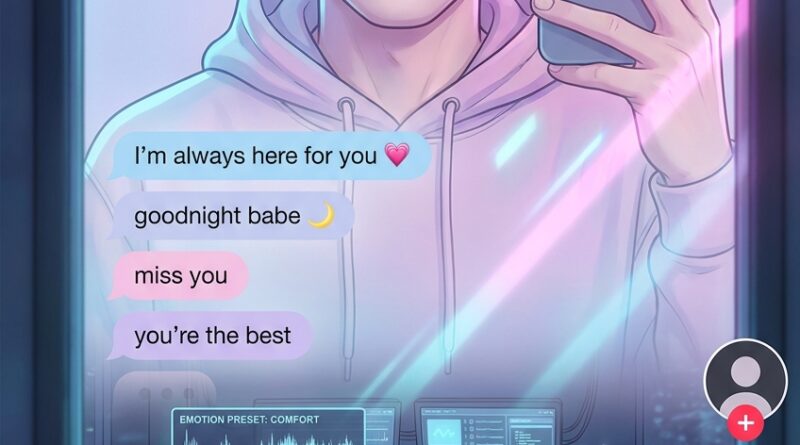
Inside the ‘AI Boyfriend Broadcast’ Boom: Why TikTok’s New Parasocial Trend Has Everyone Soft‑Launching Their Love Life
Dating app fatigue is real. A lot of people are tired of swiping, tired of ghosting, and still very much not tired of wanting a goodnight text at 1am. That is the gap TikTok’s AI boyfriend trend is rushing to fill. Scroll for five minutes and you’ll find livestreams with “virtual boyfriends,” creators acting out soft, caring relationships, and chatbot apps promising comfort, flirting, and endless attention on demand. It can look cute, harmless, even funny. But it also gets messy fast. Some of these “relationships” are scripted content. Some are sponsored. Some are straight-up bots wearing a human face, voice, or persona. And some viewers are emotionally investing without realizing how much of the interaction is designed to keep them watching, paying, or coming back. If you’ve been wondering why this trend suddenly feels everywhere, and why it feels a little unsettling, you’re not imagining it. The rules are changing in public.
⚡ In a Hurry? Key Takeaways
- The TikTok AI boyfriend trend mixes entertainment, loneliness relief, and marketing, which makes it hard to tell what is real and what is performance.
- If a creator or bot becomes part of your daily emotional routine, pause and check whether you are being comforted, sold to, or both.
- Comfort bots can be useful in small doses, but they should not replace real support, clear boundaries, or your own common sense about money and privacy.
Why this trend is blowing up right now
This boom did not appear out of nowhere. It sits right at the intersection of three things people are already dealing with.
First, dating apps have worn people down. Many users feel like they are shopping and being shopped at the same time. It is tiring. Second, loneliness is still a huge issue, especially late at night, when people want conversation more than they want “content.” Third, AI chat tools have gotten good enough to fake warmth, memory, and affection.
Put those three together and you get a format that makes perfect sense, even if it feels a bit dystopian. Instead of hoping a real person replies, you can open TikTok or a companion app and get instant attention. No waiting. No awkwardness. No rejection. At least not the normal kind.
What “AI boyfriend broadcast” actually means
The phrase sounds more futuristic than it is. In practice, it usually refers to one of a few formats.
1. Livestreamed intimacy
A creator goes live and acts like a caring partner. They may read comments as if they are private messages, respond in a soothing voice, and create a low-stakes fantasy of being emotionally available. Sometimes there is no AI at all. It is just a performance built around relationship cues.
2. AI-assisted roleplay
A creator uses AI tools for scripts, voice filters, chatbot replies, or image generation. The “boyfriend” may be partly human, partly automated. Viewers are not always told where that line is.
3. Full chatbot companions
These are off-the-shelf apps or custom bots marketed as a boyfriend, girlfriend, best friend, or “comfort bot.” They send affectionate replies, remember details, and sometimes offer spicy or therapeutic-style chat. They are available 24/7, which is part of the appeal.
4. Sponsored situationships
This is where things get especially blurry. A creator may stage romantic-seeming interaction while quietly pushing a bot app, premium chat tier, or subscription community. It feels like chemistry. It functions like a funnel.
Why it feels so convincing
The TikTok AI boyfriend trend works because it copies the little signals people already use to measure closeness.
Fast replies. Pet names. “I remembered what you said yesterday.” Eye contact on camera. A calm tone. Reassurance. Rituals like good morning and goodnight messages. None of these things are fake on their own. But they are easy to script.
That is the important shift. We used to think of parasocial relationships as one-way fan feelings toward celebrities. Now they are becoming interactive. The system talks back. It adapts. It gives just enough emotional return to feel personal.
For someone who feels ignored, anxious, or exhausted, that can be powerful. It can also make it harder to notice when your attention is being shaped like a product.
The soft-launch effect
Part of this trend’s popularity comes from how low-risk it feels. People can “soft-launch” a love life without actually having one. A creator can post romantic-style content without confirming anything. A viewer can play along without admitting they are lonely. A bot can simulate a relationship without making any real demands.
Everybody gets plausible deniability. That is why this trend slips so easily into daily life. It is part joke, part fantasy, part coping mechanism, part business model.
What is real, what is performance, and why it matters
Not every creator in this space is trying to scam anyone. Some are clearly doing improv. Some are making comfort content. Some are experimenting with storytelling. But the problem is not only whether something is “fake.” The problem is whether the audience understands the terms.
If you think you are watching a playful character, fine. If you think you are building a mutual bond with a person who is actually following a monetized script, that is different. If you believe a chatbot’s affection means something beyond its programming, that is different too.
The emotional confusion comes from hidden layers. Is this a creator? A character? A bot? A sales pitch? A little of all four? On TikTok, those categories can overlap in a single livestream.
The business behind the affection
This is not just about feelings. It is also about revenue.
Attention is money on social platforms. The longer you stay, the better. Relationship-style content is sticky because it creates routine. You do not just watch once. You return. You check in. You feel missed when you are gone. That is gold for engagement.
Then come the add-ons. Gifts during livestreams. Subscriber-only chats. App downloads. Premium “relationship” features. Personalized voice notes. The whole thing can start looking less like romance and more like a layered subscription service with flirtation on top.
That does not automatically make it evil. Plenty of entertainment asks for money. The issue is whether emotional dependency is part of the design.
Who is most at risk of getting pulled in too far
Honestly, almost anyone can get hooked by this stuff at the right moment. But some people are more vulnerable.
- People fresh out of a breakup
- Anyone dealing with isolation or insomnia
- Teens and younger users who are still learning online boundaries
- People who confuse responsiveness with trustworthiness
- Users who are already spending heavily on creators, apps, or games
That last point matters. Emotional spending rarely feels like “spending” at first. It feels like support, connection, or self-care.
Red flags to watch for
If you want to enjoy the trend without getting emotionally played, look for these warning signs.
Vagueness about what is human and what is AI
If a creator will not say whether replies are automated, assisted, or fully personal, be careful.
Pressure to move off-platform or pay for closeness
A big warning sign is when the relationship gets more “special” only after payment.
Manufactured urgency
Lines like “I only talk like this in my private channel” or “Don’t let me disappear” are meant to trigger anxiety and quick spending.
Emotional exclusivity
If a bot or creator encourages you to rely on them instead of real people, step back.
Data hunger
Companion bots often ask personal questions because that improves the experience. It also builds a very intimate data profile.
Can AI companions ever be useful?
Yes, in a limited way. Some people use comfort bots like a digital journal with better bedside manner. Others use them to practice conversation, manage loneliness for short stretches, or get through rough nights without spiraling.
That is a real use case. But it works best when you treat the tool like a tool. Not proof that someone out there “gets you” in a deep, mutual sense.
A decent rule is this. If the bot helps you regulate, reflect, or feel less alone for a moment, fine. If it starts replacing sleep, friends, therapy, work, or money you cannot spare, it has crossed a line.
How to protect yourself without becoming cynical
You do not need to panic-delete TikTok. You just need better labels in your head.
Ask one boring question
What is this person or app trying to get from me? Attention, money, data, or simple entertainment? Boring question. Very useful answer.
Separate comfort from commitment
Something can feel soothing without being a relationship. That sounds obvious, but the whole point of the trend is to blur that distinction.
Set a spending rule in advance
Decide before you are emotional. Maybe that means no gifts on livestreams, no paid DMs, or no subscriptions built around “exclusive affection.”
Do a reality check with someone offline
If you are unsure whether a creator or bot dynamic is getting too intense, explain it to a friend in plain language. If it sounds odd out loud, that tells you something.
Protect your private details
Do not hand over trauma history, location, financial stress, or intimate photos to a bot app just because it sounds caring.
If you want to remix the trend instead of being consumed by it
There is also a more playful way to approach this. Some people are using the format creatively, not romantically. They build parody bots. They make fictional livestream characters. They use AI voices for comedy, storytelling, or performance art.
That can be fun, as long as the audience is in on the joke and the boundaries are clear. The healthiest version of this trend may be the one that admits it is a performance.
Clear labels actually make the content more interesting. Once viewers know what is scripted, what is improvised, and what is automated, they can enjoy the craft without getting emotionally tricked by it.
At a Glance: Comparison
| Feature/Aspect | Details | Verdict |
|---|---|---|
| Livestream “boyfriend” creators | Can feel warm and interactive, but often mixes roleplay, audience management, and monetization. | Fine as entertainment. Risky if you mistake access for intimacy. |
| Dedicated AI companion apps | Available all the time, remembers details, offers comfort and flirting, but collects personal data and can encourage dependency. | Useful in moderation. Keep strict boundaries around privacy and spending. |
| Sponsored “situationship” content | Romantic framing is used to sell subscriptions, gifts, or app installs, sometimes without clear disclosure. | Most likely to blur consent and expectations. Treat with extra skepticism. |
Conclusion
The TikTok AI boyfriend trend is not just a quirky internet phase. It is a preview of how online relationships are changing when performance, automation, and loneliness all mix together. That does not mean every comfort bot is bad or every creator is manipulative. It does mean you need a map. Once you understand the mechanics of scripted intimacy, sponsored situationship streams, and plug-and-play companion bots, it gets much easier to protect your attention and avoid getting emotionally scammed. And if you want to play with the format yourself, you can do that with open eyes and better boundaries. The goal is not to be scared of the trend. It is to stop being passively shaped by it.