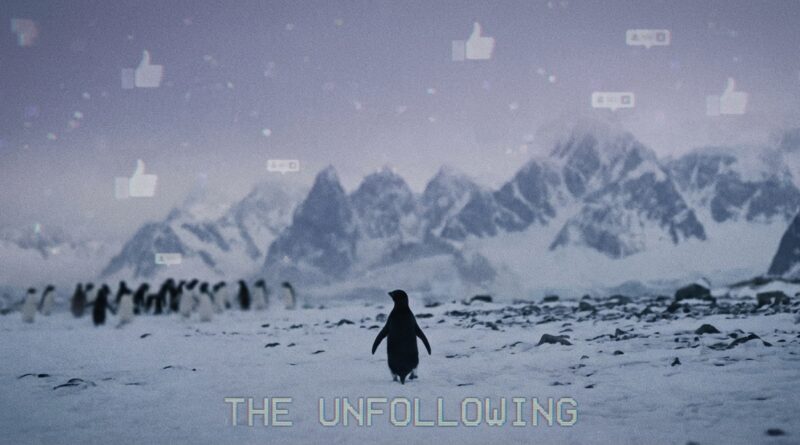
Inside the ‘Nihilistic Penguin’ Wave: Why Gen Z Is Obsessed With Marching Toward the Void
You have probably seen it by now. A small, slightly dazed penguin marching in the wrong direction, usually paired with captions about making bad choices on purpose, going back to the person you swore off, or walking calmly toward disaster because what else are you supposed to do. If that feels weirdly specific, that is exactly why the meme hit. People are not just laughing at a random bird. They are seeing a perfect little mascot for burnout, resignation, and dark humor in an era where everything feels expensive, unstable, and a bit broken. If you were looking for a proper nihilistic penguin meme explained, the short version is this. It is funny because it turns helplessness into something cute, shareable, and socially safe. The bigger story is that Gen Z is using it to joke about dread without having to make a big speech about dread.
⚡ In a Hurry? Key Takeaways
- The nihilistic penguin meme works because it turns modern burnout and resignation into a simple, funny image people instantly recognize.
- If you want to use the trend well, pair it with a specific everyday pain point instead of vague doom. The more relatable, the better.
- It is fine as dark humor, but if your feed starts feeling like nonstop hopelessness, take that as a cue to step back instead of feeding the spiral.
What is the nihilistic penguin meme, exactly?
At the surface level, it is just a clip or image of a penguin marching with a blank, determined expression, often framed as heading straight into trouble. The humor comes from the mismatch. Penguins are cute. Existential surrender is not. Put them together and suddenly dread becomes meme-sized.
That is why the format spread so fast across TikTok, Instagram, and X. It is flexible. People can use it for tiny daily disasters, like opening a dating app again at 11:47 p.m., or for bigger social feelings, like job market panic, climate anxiety, debt, and general “why am I doing this?” exhaustion.
Why Gen Z relates to it so hard
It captures the feeling of being aware, but stuck
A lot of memes are about confusion. This one is different. The penguin does not look confused. It looks like it knows this is a bad idea and is doing it anyway.
That is the part people connect with. It mirrors a very specific modern feeling. You understand the system is not great. You know doomscrolling is bad. You know your sleep schedule is wrecked. You know your rent is too high and your future feels shaky. And yet, every day, you still have to keep moving through it.
The penguin is not clueless. It is resigned. That is the joke.
It turns heavy feelings into a social language
Most people do not post, “I feel alienated by late capitalism and emotionally flattened by constant uncertainty.” They post a penguin walking toward the void.
That is what memes do well. They compress big emotions into shorthand. The nihilistic penguin gives people a way to say, “I am not okay with this, but I can laugh at it for a second.” That is easier to share, easier to react to, and easier for friends to understand without things getting awkward fast.
It feels honest without sounding dramatic
This is a big reason the meme has legs. Online, people are often trying to hit a narrow target. They want to be real, but not cringe. Vulnerable, but not too exposed. Funny, but not fake. The penguin lands in that sweet spot.
It lets you admit you are tired, overwhelmed, or making self-sabotaging choices, but through a layer of humor that softens the blow.
Why this meme feels bigger than a random joke
Because it arrived at the right moment. A lot of younger users are living with a constant background hum of stress. Wages feel weak. Housing feels out of reach. News cycles feel endless. Platforms reward irony. Therapy language is mainstream. Burnout is normal. Hope can feel embarrassing.
So a meme about calmly waddling toward ruin does not feel random. It feels culturally accurate.
There is also a bigger internet pattern here. The most durable memes are not just funny. They explain a mood. “This is fine” did that. So did “dog in a burning room” humor in general. The nihilistic penguin is part of that same family, just updated for a generation that is fluent in self-aware dread.
Where the “marching toward the void” energy comes from
Dark humor as coping
Dark humor is not new, but social media has made it faster, more visual, and more communal. A meme like this lets thousands of people say the same thing at once. Not, “Everything is great.” More like, “Everything is a lot, and I need to laugh before I scream.”
That does not mean everyone sharing it is deeply hopeless. Often it means the opposite. Humor is how people keep the pressure manageable.
The algorithm loves simple, reusable feelings
The clip is easy to remix. Add text. Add music. Add a hyper-specific caption. Done. That matters more than people realize.
The platforms that push trends are built for formats that are instantly understood and easy to copy. The nihilistic penguin meme has both. You do not need lore. You do not need setup. You see the walk, you get the emotional pitch in two seconds.
It flatters the audience a little
There is also a quiet social reward in posting it. Using the meme says, “I get the joke beneath the joke.” It tells your followers you are in on the wider mood, not just reposting something cute.
That is part of why trends like this move so well. They offer identity. Not just humor.
What the meme is really saying
If you strip away the penguin, the message is usually one of these:
- I know this is bad for me, but I am doing it anyway.
- I am exhausted by systems I cannot control.
- I am using irony to talk about real despair.
- I need my friends to understand the mood without a long explanation.
That is why a proper nihilistic penguin meme explained answer cannot stop at “funny penguin walks wrong.” The image is just the shell. The real content is emotional recognition.
How to use the trend without becoming a full-time doomposter
Make it specific
The best versions of this meme are not generic. They are painfully precise. “Me reopening the email I have avoided for six days.” “Me checking my bank account before brunch.” “Me texting ‘all good’ while actively unraveling.”
Specificity makes the joke feel human instead of lazy.
Use it to connect, not to sink lower
There is a difference between dark humor that creates community and content that just deepens the gloom. If your post gives people that “too real” laugh, great. If it leaves everyone feeling flatter than before, maybe dial it back.
A good rule is to punch at the situation, not at yourself so hard that the joke becomes a cry for help disguised as engagement bait.
Watch your feed hygiene
This sounds boring, but it matters. If every other post on your feed is some version of “we are all cooked,” your brain starts treating that mood as the default weather report.
Enjoy the meme. Then mix your feed a little. Follow people who make you think, laugh, or log off. Dark humor works best when it is not the only language in the room.
What brands, creators, and commenters should learn from it
If you make content, this meme is a useful reminder that audiences respond to emotional accuracy more than polished messaging. People do not want fake positivity pasted over obvious stress. They want something that feels true.
But there is a trap. If brands try too hard to sound broken and self-aware, it gets embarrassing fast. The meme works because it feels organic and a little vulnerable. Corporate accounts pretending to “march toward the void” can come off like your bank trying to be your roommate.
Creators have more room here. If you are using the format, stay close to lived experience. Keep the joke grounded. That is what makes it land.
Is this actually nihilism?
Not in the strict philosophy-class sense. Most people using the meme are not making a serious argument that life has no meaning. They are expressing a softer, internet-native version of nihilism. More like, “Everything feels absurd, and I do not have the energy to pretend otherwise.”
That is less a belief system and more a coping style.
And that is important, because it changes how we read the trend. This is not just a generation giving up. It is a generation narrating instability through humor because humor is portable, fast, and socially acceptable.
At a Glance: Comparison
| Feature/Aspect | Details | Verdict |
|---|---|---|
| Why it went viral | Cute visual, instant emotional read, easy to remix across platforms | Very strong meme format |
| Why people relate | It captures burnout, resignation, self-awareness, and “I know this is bad” behavior | More than a joke. It is mood shorthand |
| Best way to use it | Pair the image with a sharp, specific, relatable caption instead of vague doom | Funny when focused, draining when overused |
Conclusion
The reason this meme matters is not that a penguin walks funny. It is that people instantly recognized themselves in it. Right now the nihilistic penguin clip is peaking across TikTok, Instagram, and X, and a lot of people are treating it like a throwaway joke. But once you see what it is really doing, the trend looks a lot more revealing. It gives a burnt-out generation a compact, funny way to talk about systems that feel stuck, futures that feel shaky, and choices that feel bad but familiar. That is useful. It gives people language. It helps you comment smarter, post smarter, and spot the emotional current running under the meme instead of just repeating the punchline. And if you want to join in, the sweet spot is simple. Use the joke to connect, not just to spiral. That way you are not just marching toward the void with everyone else. You are at least naming why the crowd is moving.