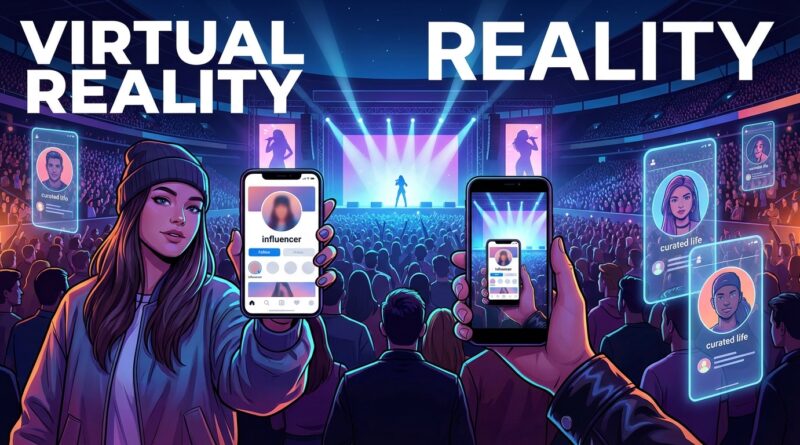
Inside the Fake Concert Craze: How ‘Attendance Clout’ Became Gen Z’s New Flex
You are not imagining it. It really does feel like some people are somehow front row at every tour stop while everyone else is stuck in a Ticketmaster queue, staring at dynamic pricing and bad luck. That is why the fake concert attendance Instagram trend is hitting such a nerve. It is not just a silly meme. It taps into a very real feeling that online life has become a contest where the prize goes to whoever can stage the best version of “I was there.” For Gen Z especially, concert clips are social proof. They say you got in, you had the money, you had the timing, and you mattered enough to be near the barricade. Now that some people are paying strangers to film from events or posting borrowed footage as their own, the flex has turned weirdly hollow. The good news is you do not need to play along to understand it, spot it, or respond without sounding bitter.
⚡ In a Hurry? Key Takeaways
- The fake concert attendance Instagram trend is about social clout, not fandom. People use borrowed or paid-for concert footage to look more connected, richer, or more in demand than they really are.
- If you see it, pause before piling on. Check for recycled clips, vague captions, missing personal details, and comments that ask basic questions the poster cannot answer.
- The bigger issue is trust. When pretending to “show up” becomes normal, it messes with creator credibility, fan culture, and how younger users measure their own lives.
What is the fake concert attendance Instagram trend?
At its simplest, it is exactly what it sounds like. Someone posts concert footage, selfies, outfit shots, or “I cannot believe I made it” content that makes it seem like they attended a live event when they did not.
Sometimes the trick is low effort. A person reposts someone else’s clip and lets followers assume it is theirs. Sometimes it is more planned. They buy footage from a stranger who was at the show, use old clips from another date, or stitch together enough content to build a fake night out.
That is why this trend is spreading. The barrier is low, the payoff is instant, and Instagram rewards appearances first. If the post looks real in the first two seconds, a lot of people will never question it.
Why concerts became such a big status symbol
Concerts used to be mostly about music and memories. They still are, for plenty of fans. But online, they also became a status marker.
Think about what a front-row clip signals now. It says you had access. You had money. You had the inside track. You were part of the moment everyone else wanted. In a social feed, that reads almost like a luxury purchase.
For Gen Z, this makes sense in a slightly depressing way. A lot of young people are priced out of travel, homes, and even basic nights out. Experiences become the thing you can still show off. A concert clip is proof of a life that looks fun, connected, and culturally current.
Why this hits harder than fake vacation photos
Concert culture is tribal. Fans care about set lists, surprise songs, openers, fan projects, wristbands, and tiny details only actual attendees usually know. So when someone fakes attendance, it does not just feel like generic internet showing off. It can feel like cutting in line in a community built on shared obsession.
How people fake it
Most fake concert attendance posts fall into a few buckets.
1. Reposted fan footage
This is the easiest version. Someone grabs clips from TikTok, Instagram, or X and reposts them with a caption that hints they were there.
2. “POV: I made it” style content with no proof
Outfit mirror selfie. Parking lot photo. Random stadium exterior. Then suddenly a perfect stage clip appears. It creates a story without showing the middle.
3. Bought attendance content
This is the part that feels especially strange. Some users reportedly pay people who are actually at the event to send custom-looking footage. That can mean clips from a specific section, photos of merch, or even short videos designed to look personal enough to pass.
4. Old footage recycled as new
A person went once, maybe months ago, and keeps using those clips to imply they are still attending every stop or every major show.
Why people do it
Usually, it is not about music. It is about identity.
Some want to look more in demand. Some want brand attention. Some want followers to think they are plugged into scenes, artists, and exclusive spaces. Smaller creators can feel this pressure most. If your feed starts to look “boring” next to everyone else’s VIP life, the temptation to cheat gets stronger.
There is also plain old insecurity. Social apps train people to perform a life, not just live one. If everyone else seems to be having bigger weekends, wearing better outfits, and catching every tour, faking a concert can start to feel like keeping up.
The ethics are messier than they look
At first glance, this seems harmless. Nobody got hurt. It is just a clip, right?
Not quite. There are a few real problems here.
It erodes trust
If someone lies about something this visible, followers start wondering what else is staged. Sponsored posts. Reviews. Giveaways. “Authenticity” becomes just another filter.
It cheapens fan spaces
Fans spend money, time, and emotional energy getting to these shows. Pretending you were there turns a real community experience into a prop.
It pressures everyone else
The bigger social cost is subtle. More fake attendance content means more people feel behind in real life. It nudges users toward measuring their worth by visible access, not actual enjoyment.
Paying someone to “be you” is a strange line to cross
Once money enters the picture, the whole thing gets darker. You are no longer just exaggerating. You are outsourcing your social identity. That says a lot about where online performance culture is headed, and not in a good way.
How to spot a fake concert attendance post
You do not need to become a detective, but a few signs show up again and again.
Watch for these clues
- Very polished stage footage with no messy personal context.
- Captions that are emotional but oddly vague, like “still not over last night” with no details.
- No ticket, no travel, no seat view, no merch, no pre-show or post-show content.
- Comments asking “Wait, I thought you were home?” or “Which opener did you like best?” with no real answer.
- Clips that look familiar because they are already circulating on fan accounts.
None of these prove a lie on their own. Some people are private. Some just post badly. But if several signs stack up, your hunch is probably there for a reason.
How to respond without being cruel
This is where a lot of people get it wrong. Public shaming feels satisfying for about ten seconds. Then it turns into bullying.
If you are just a regular user
You do not owe every fake post a callout. Sometimes the best move is to not reward it with attention. If you do say something, keep it light and factual. “Isn’t this clip from another fan account?” works better than “You are pathetic.”
If you are a creator
You can use the trend as a conversation starter instead of a dunk session. Talk about why audience pressure is so high, why access is uneven, and why honest posting still matters. That gives your followers something useful instead of just another outrage cycle.
If it is someone you know
Private message beats public embarrassment. A quiet “Hey, this might come off misleading” is more likely to land than a comment pile-on.
A quick checklist before you react
- Am I sure it is fake, or am I just suspicious?
- Would a public comment help, or just escalate things?
- Can I critique the behavior without mocking the person?
- Is there a bigger point here about social pressure worth talking about?
That last question matters most. The fake concert attendance Instagram trend is interesting because it says something bigger about online life. It is not really about one post. It is about the pressure to seem constantly chosen.
Better ways to flex online without lying
If the urge behind this trend is “I want my life to look interesting,” there are healthier ways to do that.
Share the real story
Could not get tickets? Say that. A funny “lost to the queue again” post is more relatable than fake barricade footage.
Make fandom content without pretending attendance
Rank set lists. Review livestream clips. Talk merch prices. Share outfit ideas you would have worn. There is plenty to post that is still part of fan culture.
Use humor
The internet usually responds well to honesty plus a joke. “Me attending this concert through 47 strangers’ Instagram stories” is both true and funny.
Build taste, not fake access
People remember original commentary more than borrowed proof. Having something smart or funny to say lasts longer than pretending you were in section A.
At a Glance: Comparison
| Feature/Aspect | Details | Verdict |
|---|---|---|
| Why it spreads | Concert clips are instant status symbols. They suggest money, access, and popularity in one swipe. | High engagement, low honesty. |
| How to spot it | Look for vague captions, missing context, recycled footage, and weak answers to obvious fan questions. | Use suspicion, not instant accusation. |
| Best response | Avoid dogpiles. Focus on the behavior and the pressure behind it. Promote better, more honest ways to share fandom. | Call out the trend, not just the person. |
Conclusion
This trend is worth paying attention to because it quietly changes what “showing up” means online. If enough people can fake attendance, then being there stops meaning much and performing being there starts to matter more. That is a bad trade for fans, creators, and anyone already feeling left out by expensive live events. The helpful move is not to just laugh at the meme and scroll on. It is to understand the fan-culture roots, notice the ethics of paying strangers to stand in for your life, and react in a way that is clear without being mean. That gives smaller creators and regular users a smarter way to respond while the topic is still hot. More importantly, it opens the door to a better flex. One based on taste, humor, and honesty, not a borrowed clip from a show you never attended.