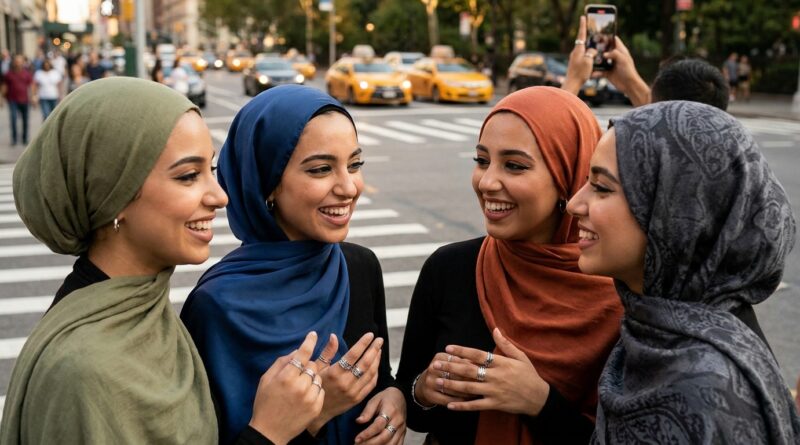
Inside TikTok’s ‘Hijbob Aesthetic’ Wave: How A Quiet Hijab Hack Just Flipped Modest Fashion Into The Next Big Micro‑Trend
Your feed can feel weirdly confusing when a look is suddenly everywhere, everyone is calling it the next big thing, and almost nobody explains where it came from. That is exactly what is happening with the TikTok hijbob trend. People are reposting the style, praising the silhouette, and copying the vibe, but the bigger story is not just about fashion. It is about how a small hijab styling choice moved from Muslim creators’ everyday expression into a viral aesthetic that now sits in front of millions of viewers who may not understand the cultural and religious context. If you have been seeing “hijbob” clips on your FYP and wondering why this wrap in particular has taken off, the short answer is simple. It is visually striking, easy to recognize in a split second, and perfect for TikTok’s trend machine. But that speed also creates friction, especially when religious wear gets treated like a costume instead of personal practice.
⚡ In a Hurry? Key Takeaways
- The TikTok hijbob trend is a viral styling wave built around a rounded, tucked hijab shape that reads almost like a bob haircut from the front.
- If you want to cover or reference it, start with credit, context, and Muslim creators themselves instead of reposting the look like it appeared out of nowhere.
- The main issue is not the style itself. It is whether people treat a form of modest dress as culture and identity, or flatten it into a quick aesthetic.
What the TikTok hijbob trend actually is
At its simplest, “hijbob” is a nickname people use for a hijab styling approach that creates a soft, rounded frame around the face. From certain angles, it can give the illusion of a neat bob haircut. That visual trick is a big reason it works so well on TikTok.
You do not need to be deep in fashion circles to see why it spreads. It is clean. It is distinct. It looks polished even on a fast-moving video. And it offers something TikTok loves: a style you can identify in under two seconds.
For many Muslim women, though, this is not some random internet invention. It sits inside a much longer story about modest fashion, personal taste, regional styling habits, and daily experimentation with fabric, pins, undercaps, drape, and face framing.
Why this tiny styling tweak blew up so fast
TikTok rewards visuals that are easy to spot and easy to copy. The hijbob checks both boxes.
It has instant scroll-stopping power
The rounded shape reads clearly on a phone screen. Even if a viewer knows nothing about hijab styling, they can still clock that this look feels different from a standard loose wrap or layered scarf style.
It fits the “micro-trend” format perfectly
Micro-trends often take one very specific detail and turn it into a category. Not a broad movement. One detail. One silhouette. One recognizable shape. That is why the TikTok hijbob trend feels made for the platform.
It blends identity and aesthetics
This is where things get more complicated. A lot of TikTok trends start as beauty or outfit choices. This one touches religion, modesty, and public identity too. That means the conversation around it is automatically bigger than “cute look, try this wrap.”
Where the real story sits
The easiest mistake is to think hijbob is just another fashion rename. It is not that simple.
When non-Muslim audiences discover a style through TikTok, they often see the polished final image first and the meaning second. Sometimes they never get to the meaning at all. The platform is built for speed, not context.
That changes how people talk about the style. A personal or faith-linked practice can become a trend label almost overnight. Once that happens, the original community can end up watching strangers define, package, and monetize something that was already part of their lives.
That does not mean no one outside the community can appreciate the look. It means appreciation without context quickly slips into appropriation, flattening, or lazy content.
Why Muslim TikTok matters here
Muslim TikTok is not just where the look appears. It is where the meaning lives.
Creators there are not only posting outfit checks. They are showing how they balance modesty, style, climate, comfort, faith, and self-expression in everyday life. The hijbob wave landed because those creators were already doing the creative work. The wider algorithm simply picked it up.
That is why proper credit matters. If a fashion page or trend account talks about the TikTok hijbob trend as if it came from nowhere, it erases the people who built the conversation in the first place.
The politics behind a “simple” style
Religious clothing is rarely neutral in public conversation. Hijab in particular already carries a heavy load of assumptions, stereotypes, and political baggage depending on where you live and who is watching.
So when a hijab style goes viral as an aesthetic, two things can happen at once.
First, it can give Muslim creators visibility, style recognition, and a chance to shape the conversation. That part can be exciting.
Second, it can invite outside audiences to strip away the religious and cultural meaning, keeping only the part that looks trendy on camera. That part can feel exhausting.
Both are true. That is why this trend is worth covering carefully instead of treating it like just another accessory moment.
Who should wear it, and what is the etiquette?
This is the question people usually dance around, so let’s say it plainly.
If you wear hijab yourself
You are part of the audience most directly connected to the style. Experimenting with it, sharing your version, and discussing what it means to you is completely different from parachuting in for clicks.
If you do not wear hijab
Pause before turning the look into a costume, a transformation gimmick, or a “trying viral religious style” video. That is the point where curiosity can start to feel disrespectful.
If your goal is to appreciate the trend, a better move is to amplify Muslim creators, talk about why their styling is resonating, or discuss the fashion conversation around it without pretending the cultural context is optional.
If you film or report on it
Use clear language. Say where the trend is coming from. Avoid framing it as if TikTok invented the style from scratch. And do not reduce the whole thing to “it looks like a bob.” That is the hook, not the whole story.
How to engage with the TikTok hijbob trend without being tone-deaf
If you want to be early on a trend and still respectful, here is the smart playbook.
1. Credit the community first
Name Muslim creators and modest fashion spaces as the source of the conversation. This should be the baseline, not a bonus.
2. Keep the religious context in the frame
You do not need to turn every post into a lecture. But you do need to acknowledge that hijab is not just fabric styling. For many women, it is tied to faith, routine, and identity.
3. Avoid “I discovered this new thing” language
That wording tends to annoy people for good reason. You may have discovered it. The community did not just invent it for your For You Page.
4. Ask whether your content adds anything
Are you explaining, crediting, interviewing, or highlighting? Good. Are you just extracting the visual and farming views? That is where people start rolling their eyes.
5. Let Muslim voices stay central
The best coverage does not speak over the community. It makes room for it.
Why brands and trend accounts are watching closely
This wave is a case study in how fashion now moves. Not from runway to magazine to store, but from community styling to niche TikTok to global trend language in a matter of days.
Brands love that speed. Trend accounts love that simplicity. But both can get sloppy when they chase aesthetics faster than they check context.
The TikTok hijbob trend is useful because it exposes that habit in real time. It shows how quickly platforms can turn personal style into shared shorthand, and how easily the original meaning can get lost on the way.
What non-Muslim viewers often miss
A lot of people think the story is, “look how creative TikTok is.” It is not. The better story is, “look how quickly TikTok repackages existing cultural expression.”
That is a much more interesting conversation. It asks who gets visibility, who gets credit, who gets misunderstood, and who gets paid when a niche style becomes mainstream enough to sell.
And honestly, that is what makes this worth your attention. The trend is cute, yes. The mechanics behind it are the real headline.
At a Glance: Comparison
| Feature/Aspect | Details | Verdict |
|---|---|---|
| What it is | A rounded hijab styling look that creates a bob-like frame around the face and photographs well on short-form video. | Visually perfect for TikTok, but not just a random beauty hack. |
| Why it went viral | It is instantly recognizable, easy to label, and fits TikTok’s habit of turning one styling detail into a micro-trend. | Strong trend fuel, especially for fashion-focused FYPs. |
| How to engage respectfully | Credit Muslim creators, keep the faith and culture context visible, and avoid using the style as a costume or novelty challenge. | Best way to join the conversation without flattening it. |
Conclusion
Covering the TikTok hijbob trend now is about more than spotting the next look before everyone else. It is a live example of how TikTok can take a deeply personal religious practice, filter it through aesthetics, and turn it into a global fashion conversation in a couple of scrolls. If you understand the origin, the politics, and the etiquette, you do not just sound more informed. You actually are more informed. That helps trend-watchers stay early without being careless, and it gives Muslim readers something they do not get enough of, which is coverage that treats their style as lived culture instead of easy clickbait. In a feed packed with shallow “trend just dropped” posts, a little context goes a long way. It makes your take smarter, safer, and a lot more worth sharing.