Inside TikTok’s ‘Watch It In 50 Parts’ Wave: How Micro‑Movie Clips Quietly Turned Full Films Into Background Content
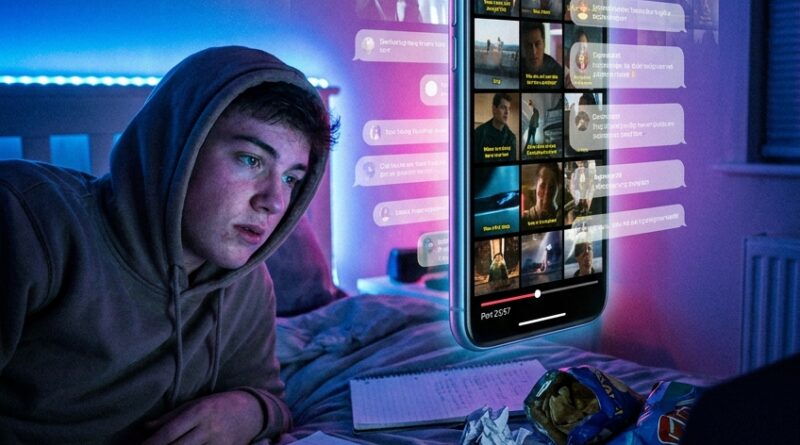
You open TikTok for a quick scroll, maybe while dinner is in the microwave, and suddenly you are deep into part 17 of a movie you never meant to watch. Then part 22 shows up before part 18. Someone has added giant captions, sped the audio up a bit, and cut every quiet moment so the plot hits like a sugar rush. If this feels a little ridiculous, you are not imagining it. The tiktok movies in parts trend is built to hook your brain when you are half-paying attention. It turns full films into snack-sized cliffhangers that fit perfectly into the way a lot of us now watch stuff, with one eye on the screen and one hand doing something else. It looks lazy on the surface. It is actually a very clever mix of editing, algorithm gaming, and changing attention habits. And yes, it says a lot about where online culture is heading.
⚡ In a Hurry? Key Takeaways
- TikTok movie clips in dozens of parts work because they strip films down to cliffhangers, emotional peaks, and easy-to-follow subtitles.
- If you want to stop getting sucked in, use “Not Interested,” clear watch history, and avoid engaging with part-based movie accounts for a few days.
- This trend is not just harmless fun. It raises real questions about copyright, attention span, and whether stories are becoming background filler instead of experiences.
What exactly is happening here?
The format is simple. A creator uploads a movie in tiny chunks. Usually each clip runs from a few seconds to a couple of minutes. Every part ends at the most dramatic moment possible. The caption says something like “part 12” or “wait for part 13.” Then your feed does the rest.
Sometimes these are big Hollywood movies. Sometimes they are TV dramas, old thrillers, cheesy romances, or low-budget films that happen to have one very meme-able scene. The footage is often cropped vertically, zoomed in, captioned in oversized text, and edited to remove anything slow.
That matters because TikTok is not built like Netflix. It is built for interruption. The app rewards clips that can grab you instantly, make you stay, and make you ask for more.
Why the tiktok movies in parts trend feels so addictive
1. Every clip is a cliffhanger machine
Traditional movies have rises and dips. A setup. A pause. A quiet moment. TikTok edits throw most of that away. What survives are arguments, reveals, chase scenes, betrayals, kisses, and panic.
Your brain loves unfinished business. If a clip cuts off right before the answer, you feel a tiny itch to keep going. Multiply that by 37 parts and suddenly your “five minutes” is gone.
2. It is built for half-watching
This is a big reason the trend has exploded. These clips are perfect for people who are folding laundry, riding the bus, eating lunch, or bouncing between apps. You do not need the full cinematic experience. You just need the gist.
The subtitles do a lot of work here. Even if the sound is off, you can still follow the story. That makes the content easier to consume in short bursts than a normal film ever was.
3. The algorithm loves strong reactions
If people comment “part 8?” or “name of movie please” or “I need the ending,” that tells TikTok the post is working. Shares help too. So do rewatches, especially if viewers are confused and replay the clip to figure out what just happened.
Confusion is not always a bug in this system. Sometimes it is the feature.
4. Out-of-order viewing weirdly does not kill the appeal
You would think seeing part 19 before part 6 would ruin it. Sometimes it does. But often it does not matter because the format turns stories into emotional highlights rather than complete narratives.
People are not always watching for structure. They are watching for payoff. A dramatic slap. A courtroom twist. A villain reveal. Once storytelling gets chopped into these little units, sequence becomes less important than intensity.
Why this format suddenly seems to be everywhere
Part of it is simple copycat behavior. One account does well posting movie clips. Other accounts notice and do the same. Then the style spreads fast because it is easy to imitate.
But there is more going on than cloning a trend.
Streaming is crowded. Attention is fragmented. People have more content than time. Full-length movies can feel like a commitment. TikTok clips remove that commitment. They make a movie feel casual, disposable, and available right now.
For younger viewers especially, this is normal. A full story no longer has to live in one place, in one sitting, on one screen. It can be broken up, reposted, discussed in comments, stitched, memed, and reassembled socially.
What this says about Gen Z and Gen Alpha viewing habits
This is the part adults tend to flatten into “kids have no attention span now.” That is too simple, and honestly a little lazy.
It is not that younger viewers cannot focus. It is that many now expect media to meet them where they are. Fast. Flexible. Captioned. Mobile-first. Easy to pause and resume. Easy to talk about with friends.
The tiktok movies in parts trend fits all of that.
It also turns watching into a social scavenger hunt. One person posts part 3. Another finds part 4. Somebody in the comments names the film. Someone else spoils the ending. The audience is not just consuming the story. They are helping route it through the platform.
Why creators use sped-up audio, giant subtitles, and tight crops
These choices can look messy, but they are strategic.
Sped-up audio
Speeding things up squeezes more plot into less time. It also changes the energy. Scenes feel more urgent, less reflective, more “keep moving.”
Large subtitles
Big on-screen text makes clips work without sound. It also helps when dialogue is hard to hear after editing or reposting. And for many viewers, captions now feel more natural than audio.
Vertical crops and zoom-ins
Movies are shot wide. Phones are not. So editors zoom into faces and central action to make scenes fit the phone screen. This can make a clip feel more intense, even if it also removes visual detail and context.
Is this good for movies, or bad for them?
Both, honestly.
On one hand, these clips can revive older films, push people to look up titles they missed, and help niche movies find new life. Plenty of viewers discover a film through TikTok, then go watch it properly later.
On the other hand, a lot of people do not go watch it properly later. They have effectively consumed the movie already, just in chopped-up form. The story becomes background content. Another stream of disposable moments between recipes, makeup tutorials, and dog videos.
That changes the relationship between viewer and film. Movies used to ask for your time. TikTok asks movies to fight for your scraps of attention.
The copyright problem nobody can ignore
This trend sits in a legally shaky spot. Uploading chunks of full films without permission is usually not some clever little loophole. In many cases, it is just copyright infringement dressed up as “editing.”
Creators try to dodge detection by cropping, flipping, zooming, changing speed, splitting content into parts, or layering text over the footage. Sometimes that helps them stay up longer. It does not magically make the use legal.
Studios and rights holders know this is happening. Platforms know too. But enforcement is uneven, and the volume is massive. So the clips keep circulating.
Where is the line?
If someone is reviewing a film, critiquing a scene, parodying it, or transforming it heavily, there may be a stronger argument. If they are basically reposting the movie in slices so viewers can watch the whole thing for free, the line is much clearer.
That is the part many viewers miss. It can feel like harmless curation. Sometimes it is closer to pirated convenience.
Why this matters beyond TikTok
This is not just a weird app habit. It is a preview of how culture gets repackaged now.
Stories are being optimized for discovery instead of immersion. Scenes are being judged by clip-worthiness before coherence. And audiences are learning to treat plot like ambient content, something you can absorb in fragments while doing something else.
That has ripple effects. It changes what gets made, what gets promoted, and what moments become culturally visible. A movie’s most shareable 45 seconds might matter more online than the rest of its two-hour runtime.
How to tell if you are enjoying it or just getting dragged along
Here is the simple gut check. When you finish a run of these clips, do you feel entertained, or weirdly foggy?
If you are having fun and finding movies you later watch in full, great. If you keep getting trapped in out-of-order fragments you barely remember, that is worth noticing.
Signs the trend is using you more than you are using it
You keep watching parts of movies you never cared about.
You feel annoyed but still do not scroll away.
You remember scenes but not titles, plots, or endings.
You open TikTok for one thing and lose half an hour in stitched-together film summaries.
How to opt out if your feed is flooded with movie parts
You do have some control here. Not perfect control, but enough to nudge the app.
Use “Not Interested” aggressively
Long-press on these clips and mark them as not interested. Do it several times. One tap will not always retrain your feed. Repetition helps.
Stop commenting “part 2?”
Any engagement can teach the app you want more. Even annoyed engagement counts.
Clear your watch history if needed
If your feed has gone fully off the rails, resetting some of your activity can help weaken the pattern.
Search for what you actually want
If you intentionally look up creators and topics you prefer, TikTok has better signals to work with.
Watch the real thing elsewhere
If a clip grabs you, look up the title and decide whether you want the actual movie experience instead of the chopped version.
If you want to lean in, do it with eyes open
There is nothing morally superior about pretending short-form media is beneath you. Sometimes you just want a fast story hit. Fair enough.
But it helps to know what you are participating in. This format is engineered for retention, emotional spikes, and low-friction viewing. It is less like sitting down for movie night and more like snacking from a bag that never empties.
Once you see that, you can choose how you want to use it.
At a Glance: Comparison
| Feature/Aspect | Details | Verdict |
|---|---|---|
| Why it hooks people | Cliffhangers, captions, short chunks, and algorithm-friendly engagement make movie clips easy to binge. | Very effective, especially for distracted viewing. |
| Impact on storytelling | Movies get stripped down to plot beats and emotional spikes, often losing pacing, buildup, and visual craft. | Convenient, but often a worse way to experience a film. |
| Copyright risk | Many uploads are unlicensed film clips edited just enough to avoid detection, not necessarily to transform the work. | High risk for creators, murky territory for the platform, useful for viewers to recognize. |
Conclusion
The tiktok movies in parts trend is easy to laugh at, but it is worth taking seriously. It shows how fast stories are being reshaped for phone screens, split attention, and algorithm-driven habits. That matters because Gen Z and Gen Alpha are not just watching differently. They are learning what a story even is in a very different media environment. Once you understand why these clipped, subtitled, sped-up movie fragments work so well, you can make a smarter call. Maybe you use them to discover new films. Maybe you remix the format yourself. Maybe you decide your brain deserves better than part 26 showing up before part 9. Either way, you are no longer just being pulled around by the feed. You can actually see the mechanism, and that is the first step to choosing what to do next.