Inside TikTok’s ‘Screenshot My Lock Screen’ Wave: How Sharing Your Raw Home Screen Became Gen Z’s New Personality Test
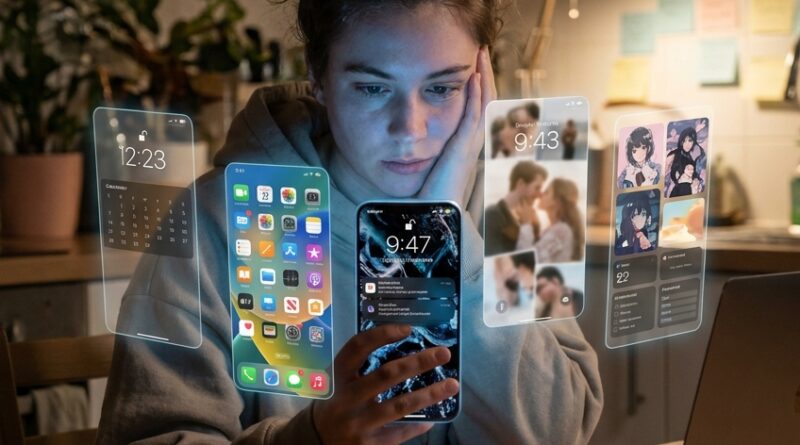
Your feed did not suddenly turn into a phone setup forum by accident. If you have been wondering why TikTok is full of people posting raw screenshots of their lock screens and home screens, you are not imagining the shift. It feels oddly intimate. Also a little confusing. For years, we were told to hide our notifications, clean up our apps and present a polished version of ourselves online. Now people are doing the opposite. They are showing unread texts, low battery mode, messy widget stacks, blurry pet wallpapers and homescreens that look like digital junk drawers. That is exactly why the TikTok screenshot my lock screen trend is hitting so hard. It works like a fast personality test. One image tells people your taste, your habits, your mood and even how chaotic your week has been. Big blogs keep treating it like wallpaper inspiration. It is much bigger than that. This is digital body language.
⚡ In a Hurry? Key Takeaways
- The TikTok screenshot my lock screen trend is really about identity signaling, not just phone aesthetics.
- If you want to join in, post a safe version with hidden notifications, cropped widgets and a caption that adds context or humor.
- Your lock screen can reveal more than you think, including contacts, routines, location hints and emotional cues, so share selectively.
Why this trend feels bigger than a simple screenshot
On the surface, the format is almost boring. Screenshot your lock screen. Sometimes your home screen too. Post it with a sound, a prompt or a caption like “what my phone says about me.”
But the reason it is spreading is not the image itself. It is the promise behind it. People believe a phone screen is unfiltered. Less posed than a selfie. Less staged than a room tour. Less exhausting than making a full video.
That makes it feel honest, even when it is still curated.
And that is the real hook. This trend gives people a way to perform authenticity. They can show a little mess, a little softness, a little oversharing, and it reads as more real than a polished photo dump.
What people are actually reading into your lock screen
Wallpaper choice
A boyfriend photo, a grainy mirror pic, an anime still, a cat, a Pinterest quote, a plain black screen. None of these choices are neutral online. They each send a signal. Romantic. Ironically detached. Nostalgic. Hyper-online. Tired. Clean-girl. Maximalist. Sentimental.
Widgets and layout
Weather widgets, calendar blocks, step counters, sleep trackers and photo rotations all tell a story too. Not just what you like, but how you live. People read them as clues about productivity, anxiety, wellness, work habits and who or what you check first every morning.
Notifications
This is where the trend gets more personal. A lock screen with 213 unread emails says one thing. Zero notifications says another. Text previews from friends, food apps, banking alerts and meditation reminders all create a weirdly specific social profile in seconds.
That is why the trend feels like a personality test. It is not just visual. It is behavioral.
Why Gen Z is comfortable sharing this now
There are a few reasons this clicked right now.
We are in an anti-polish phase
People are tired of over-edited feeds. Raw formats keep winning because they feel easier to trust. The same thing is happening across trends that look low effort but carry a strong point of view. If you noticed that your feed has also been filling with intentionally distorted visuals, that fits the same mood. Our recent piece on Inside TikTok’s ‘Pixel Stretch’ Comeback: How A 2008 Photo Trick Just Became Gen Z’s Favorite Reality Warp shows the other side of this. People want fast, recognizable formats that say something instantly.
The phone is the real self now
For a lot of younger users, the phone is not just a tool. It is memory storage, diary, taste board, social map and emotional support object. Sharing the screen is a bit like sharing your bedroom used to be. Personal, but controlled.
It turns private habits into social content
TikTok is very good at turning tiny personal rituals into formats. Morning shed routines. Notes app screenshots. Camera roll dumps. Lock screen posts fit neatly into that world. They take something people already have and turn it into content with almost no production barrier.
So is it authentic, or is it still curated?
Both. That is the fun part.
People are calling these screenshots “raw,” but most users still make choices before posting. They switch wallpapers. Clear embarrassing alerts. Reorder apps. Pick the screenshot that looks accidentally revealing without actually revealing too much.
Think of it like posting a messy bun selfie. Yes, it looks casual. No, it is not random.
This does not make the trend fake. It just means the performance has changed. The goal is no longer perfection. The goal is believable imperfection.
What the algorithm likes about this trend
Platforms love formats that are easy to copy and easy to comment on. A lock screen screenshot does both.
It creates instant reactions. “Why do you have 600 unread messages?” “That wallpaper is so you.” “This says you cry to indie music.” “You are definitely a morning person.”
That comment bait matters. The image is simple, but the discussion underneath can run for days. TikTok sees that as strong engagement. So it keeps pushing more of them.
It also helps that everyone can join. You do not need editing skills, a perfect face or a nice apartment. You just need a phone, which is almost the point.
How to join the trend without being cringe
1. Hide anything too revealing
This is the big one. Turn off text previews. Blur names if needed. Crop out location widgets, boarding passes, school portals, banking notifications and anything with personal info.
If your lock screen includes a child, partner or friend, ask yourself if they would want that posted too.
2. Give the screenshot a frame
A plain screenshot can work, but a caption helps. Try angles like:
“What my lock screen says about my current life crisis.”
“Be honest, what kind of person does this home screen belong to?”
“Soft-launching my personality through widgets.”
The caption tells people how to read the image. Funny beats try-hard almost every time.
3. Pick one story to tell
If your screen is romantic, lean into that. If it is chaotic, own the chaos. If it is hyper-minimal, frame it as a choice. The best posts feel specific, not generic.
4. Use a safe-to-share version
You do not actually have to post your exact real screen. You can make a “public version” of your lock screen for the trend. Many people already do this, even if they do not say it out loud.
How brands and creators can use it without feeling forced
This is where a lot of people mess up. They treat it like a design challenge instead of a social signal.
For creators
Use the trend to deepen your persona. Show the screen that matches your content niche. A book creator can share widgets full of reading apps and a wallpaper that says something about their taste. A fitness creator can show a very real mix of step count, alarms and playlist shortcuts. The key is not to over-style it.
For brands
Do not post a sterile mockup with perfectly placed branded icons. That screams ad. Instead, make the angle observational. For example, “If our brand ran your lock screen during finals week” or “The home screen of someone who never misses a sale.”
It should feel like internet behavior, not a campaign deck trying to cosplay internet behavior.
The privacy part people should not ignore
Here is the boring but important neighborly advice. Your phone screen can expose a lot more than people realize.
Common risks include:
- Full names in notifications
- Two-factor authentication pop-ups
- Calendar events with locations
- Travel plans
- School or workplace apps
- Photos of children or private relationships
- Mental health or medical app reminders
None of that means you should avoid the trend. Just do a quick scan before posting. Think of it the same way you would check the background of a photo before uploading it.
What this trend says about online culture in 2026
More than anything, this wave shows that people want lighter, faster ways to explain themselves. A screenshot is quicker than a vlog and more revealing than a caption. It fits the current internet mood perfectly.
We are watching personality get compressed into tiny visual clues. Not just outfits and playlists, but battery color, widget stacks, app folders and the number of missed notifications. That might sound silly. It is also very real.
Phone screens are becoming social shorthand.
And yes, there is something slightly uncomfortable about that. The device that tracks your habits all day is now doubling as a public identity card. But that tension is exactly why the trend has legs. It is personal enough to feel intimate, safe enough to feel postable and open-ended enough to invite judgment, jokes and connection.
At a Glance: Comparison
| Feature/Aspect | Details | Verdict |
|---|---|---|
| Why it is trending | It feels personal, low-effort and instantly readable as a personality signal. | Strong format with real staying power, at least for now. |
| Best way to participate | Share a cleaned-up but believable screen, then add a funny or self-aware caption. | Worth trying if you want engagement without a full video. |
| Biggest risk | Accidentally exposing private info through notifications, widgets or photos. | Post carefully. Privacy settings matter. |
Conclusion
The TikTok screenshot my lock screen trend is not just another cute phone aesthetic moment. It is a small but revealing shift in how people present themselves online. Instead of polished photos and perfect branding, users are posting the digital surfaces they look at every day and letting others read meaning into the details. That gives creators, brands and regular users a chance to join a live format while it is still fresh, but it also asks for a little common sense. Share the version that feels true enough to connect and safe enough to live with later. If you get that balance right, you can take part without sounding forced, protect your privacy and understand what your own screen is quietly saying to friends, followers and the algorithm.