Inside TikTok’s ‘Pudding With A Fork Meetups’ Wave: How Offline Joke Gatherings Quietly Became Gen Z’s New Anti-Algorithm Flex
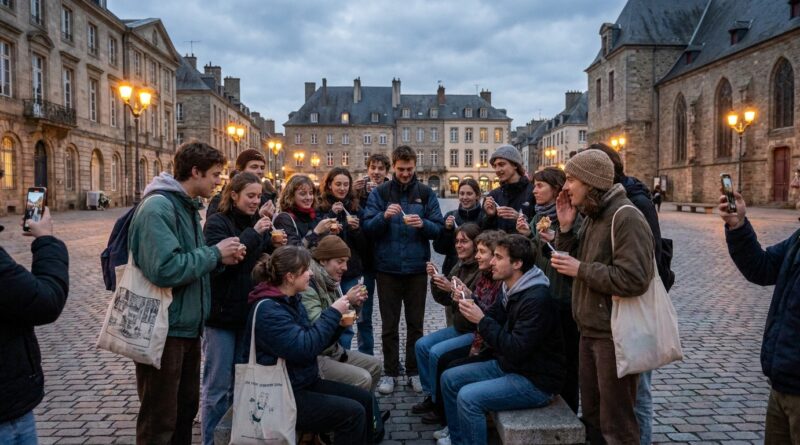
If TikTok has recently shown you a crowd of strangers quietly eating pudding with forks in a park or plaza, your first reaction was probably, “Did I miss a memo?” Fair question. The TikTok pudding with a fork meetup trend looks silly on purpose, and that is exactly why it has spread. What starts as a tiny inside joke online becomes a real-world gathering where the whole point is doing something harmless, weird, and completely low stakes together. No big brand sponsor. No polished cause. No productivity angle. Just people showing up to be part of a joke. That may sound pointless, but for a lot of Gen Z, that is the appeal. After years of feeds pushing outrage, hustle, and highly edited lives, a goofy meetup with plastic forks feels almost rebellious. It says not everything has to be optimized, monetized, or even explained. Sometimes a crowd gathers just because it is funny, and because being there feels more human than scrolling past it.
⚡ In a Hurry? Key Takeaways
- The TikTok pudding with a fork meetup trend is less about pudding and more about people craving small, funny, offline rituals that feel real.
- If you want to understand or even host a similar meetup, keep it simple, public, easy to join, and low pressure.
- These events are usually harmless, but basic safety still matters. Meet in public places, check local rules, and clean up after yourselves.
What is the TikTok pudding with a fork meetup trend, really?
On the surface, it is exactly what it sounds like. People pick a place, often a public square, park, or campus lawn, then show up and eat pudding with forks. That mismatch is the joke. Pudding is supposed to be eaten with a spoon. Using a fork turns an ordinary snack into a tiny act of shared absurdity.
But the trend only makes sense if you stop asking whether it is useful. It is not supposed to be useful. It is supposed to be legible to the people who get it, and slightly baffling to everyone else.
That is a big part of its power. It creates a feeling of belonging without needing a fandom, a political identity, or a ticketed event. You just understand the bit, show up, and take part.
Why this kind of joke is escaping the phone
We have had flash mobs, meme meetups, and weird internet dares before. What feels different now is the mood behind them. These gatherings are popping up at a moment when a lot of younger people are tired of feeling processed by platforms.
1. It feels anti-algorithm, even though TikTok helped spread it
Yes, the trend is traveling through TikTok. But the emotional pitch is anti-feed. Instead of asking people to keep watching, keep buying, or keep reacting, it asks them to leave the app and do one dumb thing together in person.
That matters. An inside joke in public feels less like content and more like proof that the internet has not fully swallowed real life.
2. It answers loneliness without getting too deep about it
A lot of people want community, but not everyone wants the pressure of joining a formal club, attending a networking event, or explaining themselves to strangers. A pudding meetup is socially easier. You are not there to impress anyone. You are there to eat a snack incorrectly.
That lowers the barrier. It gives shy people, curious people, and tired people a way in.
3. It pushes back on FOMO fatigue
For years, social media sold the idea that meaningful experiences had to look huge, expensive, and camera-ready. This trend flips that. The whole thing works because it is unserious. You did not miss a luxury vacation or a private concert. You missed twenty people with pudding cups making each other laugh.
Oddly enough, that makes it feel more reachable.
Why Gen Z likes “pointless” meetups right now
Calling these events pointless misses the point. Small rituals are how groups bond. Humans have always done this. We wear team colors. We sing the same songs. We line up for midnight launches. We toast at weddings. We invent tiny rules that mean something because we agree they do.
The TikTok pudding with a fork meetup trend is a miniature version of that. It is low cost, easy to copy, and funny enough to spread. Most important, it gives people a script. In a moment when many are lonely but burned out on polished social scenes, scripts help.
You know what to bring. You know what happens when you get there. You know the vibe. That removes a lot of the social friction.
Why brands and older internet watchers keep misreading it
The most common mistake is assuming this is just “lol random” humor. It is random, sure. But it is also selective. These events let people signal that they understand internet culture without turning that culture into a marketing campaign.
That is why heavy-handed brand copy tends to kill the magic. The fun comes from the sense that nobody important approved it. The gathering exists because a joke was good enough to leave the screen.
It is also easy for outsiders to assume the trend is empty because it does not have a cause attached. But not every social act needs a mission statement. Sometimes people are hungry for shared silliness because everything else feels loaded, tracked, and evaluated.
How these meetups usually spread
Most follow a familiar pattern.
A small post frames the joke
Someone posts a short video or flyer idea. The tone is deadpan. The ask is simple. Bring pudding. Bring a fork. Meet here at this time.
The comments do the organizing
People ask if it is real, then someone says they are going. A few others tag friends. Variations pop up by city or campus. Suddenly it stops being a post and starts becoming a plan.
The event works because it is easy to copy
No special gear. No tickets. No talent needed. That is a huge part of the spread. The lower the effort, the more likely people are to try it in their own area.
What creators and community organizers can learn from it
If you run online communities, student groups, or local events, there is a useful lesson here. People are not only looking for meaningful experiences. They are also looking for manageable ones.
The best micro-meetups often share a few traits:
- They are instantly understandable.
- They are cheap or free.
- They do not demand a big emotional buy-in.
- They give strangers a shared script.
- They create a story people want to retell.
That does not mean every event should be ironic. It means ease matters. A lot.
Should you join one?
If it looks fun and the setup is public and sensible, sure. There is nothing wrong with joining a harmless, goofy meetup just because it makes you smile. In fact, that is part of what makes these events refreshing. They remind people that not every gathering has to advance a career, build a personal brand, or turn into a side hustle.
That said, basic caution still applies.
Smart safety checks
Make sure the meetup is in a public location. Go with a friend if you can. Watch for local park or campus rules. Do not block walkways or create a mess. If the crowd seems rowdier than advertised, trust your gut and leave.
Social safety matters too
Some people love this kind of group absurdity. Some do not. If it is not your thing, that is fine. You are not out of touch just because you do not want to eat pudding incorrectly with strangers.
But if you do want to understand the appeal, start there. It is less about the act itself and more about the relief of shared low-stakes weirdness.
What this trend says about the next wave of internet culture
The bigger story is not pudding. It is the rise of intentionally small, copyable offline rituals. Expect more “meet here to do X” trends that are silly, cheap, and easy to explain in one sentence.
Why? Because they solve a modern problem. They help people move from passive watching to active participating. They trade performance for presence. They turn a private feed into a public moment.
And unlike heavily produced trends, they leave room for local flavor. One city might do pudding with forks. Another might do cereal in formalwear, silent cartwheels, or reading the same children’s book in a fountain plaza. The object does not matter much. The format does.
At a Glance: Comparison
| Feature/Aspect | Details | Verdict |
|---|---|---|
| Why it spreads | Simple joke, low cost, easy to recreate, and visually odd enough for TikTok clips | Built for viral copying |
| Why people show up | Belonging, curiosity, humor, and a chance to do something offline without pressure | More social need than snack preference |
| Long-term meaning | Signals a broader move toward tiny public rituals that feel human, not optimized | Worth watching beyond this one meme |
Conclusion
The TikTok pudding with a fork meetup trend looks ridiculous. That is part of why it matters. It helps decode one of the stranger viral shifts of the moment, where people are organizing real-life gatherings around doing something intentionally pointless just to feel part of a joke that does not seem fully manufactured by the feed. Once you see that, the trend stops looking like nonsense and starts looking like a clue. People want smaller rituals. They want lighter ways to be together. They want culture they can join, not just watch. That is useful for readers, parents, creators, and community builders alike. It gives you a framework for the next odd “meet here to do X” craze before it hits the wider news cycle. More than anything, it is a reminder that after years of doomscrolling, even a weird little public joke can feel like a tiny reclaiming of joy.