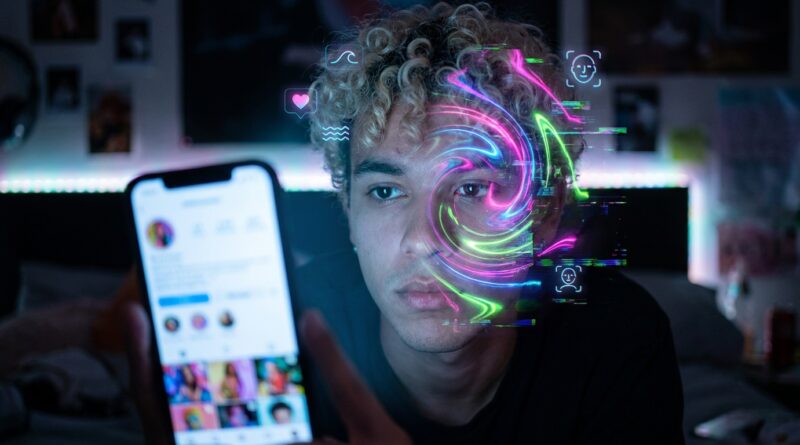
Inside TikTok’s ‘AI Aura Selfies’: How Hyper‑Personal Filters Quietly Became Gen Z’s New Astrology
You are not imagining it. One week everyone is mocking filters and talking about being “real,” and the next your TikTok feed is full of glowing, glitchy portraits that claim to show your vibe, your energy, even your emotional state. It is confusing because the tiktok ai aura selfie trend does not behave like old-school beauty filters. It is less about smoothing your skin and more about turning your face into a personality test people can post. That is why these images feel weirdly personal, almost like a horoscope made from your camera roll.
What changed is simple. These filters sell a feeling of being “seen.” They take a selfie, wrap it in neon colors, dreamlike distortions, and mood labels, then hand back a version of you that looks deeper than a normal photo. For Gen Z, that can feel more intimate, more shareable, and more clickable than a polished selfie. The trick is that the filter is not truly reading your soul. It is packaging identity in a way the algorithm loves.
⚡ In a Hurry? Key Takeaways
- The tiktok ai aura selfie trend took off because it promises something older filters did not, a visual “reading” of your inner self, not just a prettier face.
- If you want to join in without feeling fake, use these filters as creative storytelling tools, not as proof of who you really are.
- Be careful with apps and effects that ask for extra photos, face scans, or account access. Emotional branding is fun. Data harvesting is not.
Why these AI aura selfies hit differently
Old filters mostly had one job. Make you look better on camera. Smoother skin. Bigger eyes. Better lighting. People got tired of that script. It felt obvious. It felt fake.
The new wave is sneakier. AI aura selfies act like they are revealing something hidden. They do not just say, “Here is you, but prettier.” They say, “Here is you, but decoded.” That is a much stronger hook.
When a filter paints someone in electric blues, red static, angel-core light leaks, or cyberpunk fog, it is doing more than decorating a face. It is creating a mini identity badge. Viewers are meant to think, “Yep, that looks exactly like her energy,” or “That is so him.”
Why Gen Z is treating them like astrology
Because they work the same emotional lane.
Astrology gives people language for feelings, relationships, and self-image. AI aura selfies do something similar, but with visuals. They turn vague inner-life stuff into a shareable artifact. Instead of saying, “I have been feeling detached but creative lately,” you post a glowing portrait that looks moody, cosmic, and half-broken in a beautiful way.
It is a shortcut. And TikTok loves shortcuts that look deep.
They feel personal, even when they are generic
This is the magic trick. Most of these filters are not truly analyzing your emotional state in any meaningful human sense. They are using image prompts, color rules, face mapping, style presets, and a bit of randomness to create something that feels custom.
That “feels custom” part is enough. People do the rest of the work themselves. They project meaning onto the result, just like they do with zodiac memes, personality quizzes, or those “what kind of chaotic fairy are you?” posts.
They let people perform authenticity
Being online now is exhausting. Everyone says they want realness, but realness still has to be watchable. AI aura selfies solve that problem. They make vulnerability look good on camera.
You do not have to explain your whole mood. The image does it for you, or at least pretends to. That is a very powerful social tool.
What is actually happening under the hood
Despite the mystical branding, most aura and emotion filters are built from familiar tech pieces.
Face detection and segmentation
The app first finds your face, separates it from the background, and maps major facial features. This helps it know where to place effects, lighting, color blooms, and distortions.
Style generation
Then it applies a visual style. Think neon haze, dream blur, thermal-camera tones, surreal textures, or digital brush strokes. Some tools use templates. Others use generative AI models to create a more unique image.
Mood labeling
Some versions add text labels like “chaotic calm,” “soft danger,” or “golden retriever sadness.” That kind of phrasing is not scientific. It is branding. It is meant to sound intimate enough that people want to repost it.
Engagement bait
The most viral ones often invite reaction. “This filter exposed me.” “Why is this so accurate?” “Tell me why mine looks haunted.” The filter is not just making an image. It is making a conversation starter.
Why the trend matters beyond selfies
This is the part people miss. The tiktok ai aura selfie trend is not just about pretty posts. It shows a bigger shift in internet culture.
Clout used to come from looking flawless, rich, funny, or aspirational. Now there is a growing premium on looking emotionally legible. In plain English, people get attention by seeming readable, layered, self-aware, maybe a little wounded, but still aesthetic.
That changes how people present themselves online. You are no longer just curating your face. You are curating your “inner weather.”
The new flex is being interpretable
If a post makes viewers feel like they understand you in two seconds, it has a better chance of spreading. Aura selfies are excellent at this. They give your audience a story to grab onto.
Blue haze means introspective. Hot pink glitch means chaotic. Gold shimmer means healing arc. None of this is official, of course. But social media runs on loose symbols that people understand fast.
How to tell self-expression from emotional clickbait
Not every aura selfie is manipulative. Some are genuinely fun, artsy, or reflective. The key is spotting when a trend is helping people express themselves versus when it is pushing them to package feelings for engagement.
It is probably genuine if:
The creator uses the image as one piece of a bigger story. Maybe they pair it with a thoughtful caption, a joke, a playlist, or a real moment from their life. The filter adds flavor. It does not do all the emotional work.
It is probably clickbait if:
The whole post depends on the idea that the app “exposed” someone or “proved” something deep about them. That kind of framing is designed to trigger comments, shares, and curiosity.
Ask yourself one simple question. Is this helping a person say something real, or is it just dressing up vagueness to farm reactions?
If you want to use the trend without feeling cringe
You do not need to avoid it. You just need to use it with your eyes open.
1. Treat it like art direction, not truth
Think of the filter as a mood board. It can capture a vibe. It cannot diagnose your soul. Once you stop asking it to be profound, it becomes more fun.
2. Add your own context
Aura selfie posts work better when the human part is still there. Add a short caption. Explain why the image fits your week. Pair it with a voiceover or a song that means something to you.
3. Avoid the fakest language
If every post says “this clocked me” or “this knows me better than I know myself,” people tune out fast. Be a little more specific. Specific feels real.
4. Watch what the app wants from you
If a filter or outside app asks for a lot of permissions, uploads a bunch of your photos, or wants account access, pause. A fun identity trend is still a data collection opportunity for somebody.
Privacy and safety stuff that is easy to ignore
These trends move so fast that people rarely stop to ask where their face data goes. That is worth asking.
If the effect is inside TikTok, you are already playing inside TikTok’s system. If it sends you to a third-party app or site, be more careful. Some tools collect face images, editing preferences, location clues, device data, and usage patterns. That does not always mean something shady is happening, but it does mean your “self-expression” can become training data or ad targeting fuel.
Quick safety checks
Read the permissions screen. Skip apps that ask for more access than they need. Do not upload extra photos unless you trust the company. And if an app’s privacy policy reads like soup, that is your cue to back out.
What creators and brands should learn from this
If you make content, this trend is a signal. People are hungry for identity-rich posts, not just polished visuals. They want style with a hint of confession. But they also have a strong cringe detector.
The winning content now often does three things at once. It looks good. It hints at personality. It leaves room for the audience to see themselves in it.
For creators
Use AI visuals as seasoning, not the whole meal. If every post depends on the tool, your feed starts to feel automated. The best versions still have your voice, your humor, or your point of view.
For brands
Do not pretend a branded filter is “reading souls.” People can smell that from a mile away. If you want to join the trend, frame it as play, style, or self-expression. Not emotional truth.
At a Glance: Comparison
| Feature/Aspect | Details | Verdict |
|---|---|---|
| What it offers | A stylized selfie that feels like a personality reading, using color, distortion, and AI-generated mood cues. | Fun and highly shareable, but not actually a deep emotional scan. |
| Why it spreads | It gives viewers an instant story about who someone is, which boosts comments, duets, and reposts. | Very effective for attention because it mixes aesthetics with identity. |
| Main risk | People may mistake branding for insight, or hand over more face data than they realize. | Use it lightly. Keep your skepticism and your privacy settings on. |
Conclusion
The big thing to understand about the tiktok ai aura selfie trend is that it is not really about filters. It is about status, identity, and the performance of being understood. That is why it feels bigger than a normal visual fad. AI-driven aura and “emotion scan” tools are quietly changing what gets attention online. The new flex is not just looking good. It is looking emotionally readable. If you spot that shift early, you can tell the difference between honest self-expression and emotional clickbait. Better yet, you can make posts that still feel human in a feed that gets noisier, more automated, and more extractive every day.