Inside TikTok’s 30‑Day Eco Swap Wave: How One Tiny Challenge Quietly Became Gen Z’s New Status Symbol
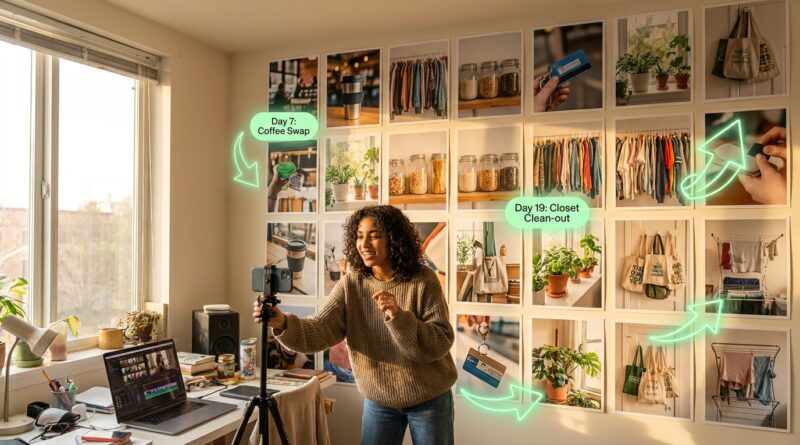
Most sustainability posts have a problem. They are either preachy, depressing, or so polished they feel fake. That is why the 30 day eco swap TikTok trend is getting traction. It takes a topic people say they care about and turns it into something much easier to watch. Instead of yelling about the planet, creators are swapping one everyday habit at a time and showing the change in real life. A plastic water bottle becomes a reusable one. Paper towels become washable cloths. Takeout coffee becomes a thermos run. Small move, quick proof, easy comment bait.
That formula matters because it gives creators a rare mix of values and views. Viewers get a simple challenge they can copy without feeling judged. Creators get a repeatable series with built-in structure for 30 posts. And brands, especially smaller ones, get a way to show sustainability without sounding like a corporate brochure. Quietly, this has started to feel less like eco homework and more like a status signal. Not perfect. Just visible, doable change.
⚡ In a Hurry? Key Takeaways
- The 30 day eco swap TikTok trend works because it makes sustainability feel social, visual, and easy to copy.
- If you create content, start with one cheap daily swap and frame it as a day-by-day series, not a lecture.
- The best posts stay honest. Viewers respond better to realistic progress than to guilt, greenwashing, or fake perfection.
Why this challenge is popping now
People are worn out. They do not want another feed full of panic, shame, and giant unsolvable problems. They want relief. They also want proof that change is possible without turning their whole life upside down.
That is where the 30 day eco swap TikTok trend lands perfectly. It breaks a huge topic into tiny, visual decisions. One swap a day. One clip. One result. It gives viewers a satisfying before-and-after without demanding that they become full-time zero-waste influencers by next Tuesday.
It also fits a broader mood on TikTok right now. A lot of breakout formats are doing well because they offer an escape from heavy feeds while still giving people something to do or feel. You can see that same appetite in lighter trend cycles like Inside TikTok’s ‘Turn Into A Cute Little Kitty’ Wave: How One Feral Filter Quietly Became Gen Z’s New Escape Hatch From Doom Feeds. Different topic, same core idea. People are looking for formats that soften the mood without feeling empty.
What the format actually looks like
At its simplest, a creator picks one habit, object, or purchase and swaps it for a more sustainable version. Then they repeat that structure over 30 days.
The common ingredients
Most posts in this style use a few repeating parts:
- A clear “day X of 30” hook in the first second or two.
- An item or habit people instantly recognize.
- A replacement that looks practical, cute, cheaper over time, or all three.
- A quick note on cost, convenience, or what changed after the swap.
- A comment prompt like “would you try this?” or “what should I swap next?”
That structure is gold because it lowers the creative burden. You are not inventing 30 unrelated videos. You are filling in the next square on the calendar.
Why Gen Z is treating it like a status symbol
Status symbols used to be easy to spot. Sneakers. Phones. Coffee spots. The newer version is more about identity on display. What you buy, what you refuse to buy, and what habits you can prove on camera.
The eco-swap trend taps into that shift. It lets people show taste, discipline, and values at the same time. A reusable item is not just practical. On TikTok, it can signal that you are thoughtful, organized, and in on the right kind of lifestyle flex.
That is a big reason the trend feels stronger than older sustainability content. It is not built around sacrifice first. It is built around visible choice. That sounds subtle, but it changes everything. “Look what I gave up” is less clickable than “look what I upgraded.”
Why this works better than guilt-based climate content
Guilt is bad at building repeat viewing. People may agree with the message, then scroll away because they do not want to feel worse.
The 30 day eco swap TikTok trend gives viewers a smaller emotional ask. It says, try one thing. Borrow this idea. Save this for later. That makes it more friendly to the algorithm and more useful to real people.
It feels achievable
Small swaps look possible. A dorm room version looks possible. A student budget version looks possible. A beauty shelf version looks possible.
It invites participation
People can stitch it, duet it, copy it, or argue with it. All of that helps spread a format.
It rewards consistency
Day-based challenges naturally train audiences to come back. That is a big deal if you are trying to build a series instead of chasing one lucky viral hit.
How creators in different niches can use it
This is the fun part. The challenge is wide open. You do not need to run a climate account to use it well.
Beauty creators
Swap disposable cotton pads for reusable ones. Show refillable products. Compare packaging waste. Test whether shampoo bars are worth the hassle.
Food creators
Do low-waste lunches. Show what happens when you use leftovers properly for a week. Swap cling wrap for containers. Compare grocery hauls with less packaging.
Student creators
Dorm laundry swaps. Cheap desk organizers made from reused items. Refillable pens. Coffee habits that save money and waste.
Home and lifestyle creators
Cleaning cloths instead of paper towels. Refill stations. Compost starters. Closet swaps. Thrifted decor challenges.
Small brands
Instead of posting another polished founder speech, make the process visible. Show one packaging change per day. Show why it costs more or less. Let people see the tradeoffs.
How to start this trend without looking performative
This is where many creators mess up. The second viewers smell fake moral superiority, they are out.
Start with your real life, not a perfect script
Pick swaps you actually use. If it takes too much effort to maintain off-camera, the audience will feel the mismatch eventually.
Be honest about convenience
Not every eco swap is better in every way. Some save money. Some do not. Some look nice but are annoying to clean. Say that. Honesty builds trust.
Do not overclaim impact
You do not need to act like one bamboo fork is saving civilization. Keep the tone grounded. “This works for me” lands better than “everyone must do this now.”
Make it visually satisfying
TikTok still rewards strong visuals. Clean swaps, side-by-side shots, a tidy shelf, a reusable item in use. These little details matter.
A ready-to-steal content formula
If you want a template, use this:
- Hook: “Day 4 of swapping one thing in my life to be less wasteful.”
- Show the old habit fast.
- Show the replacement fast.
- Give one honest note: cheaper, easier, cuter, messier, worth it, not worth it.
- End with a prompt: “What should I swap tomorrow?”
That is simple on purpose. It keeps the post moving and gives the audience a reason to return.
What could make the trend stall out
Not every challenge becomes a lasting category. This one has a few risks.
It can get repetitive
If everyone swaps the same three things, the feed gets stale fast.
It can drift into greenwashing
Once brands pile in, viewers get skeptical. If every post feels like a disguised ad for expensive “eco” stuff, trust drops.
It can get too expensive
The smartest creators will remember that many viewers want low-cost swaps, not luxury sustainability cosplay.
That said, the format is strong because it is flexible. It can evolve. The best versions are not really about buying more stuff. They are about changing habits in a visible way.
What to watch for next
If this keeps growing, expect a few spin-offs. Budget eco swaps. College edition. Beauty empties plus swaps. Family home versions. “I tried your eco swaps so you do not have to” reaction posts. Maybe even anti-hauls built into the format.
That is usually the sign a trend is moving from isolated posts into a repeatable content lane. Once people can adapt it to different niches without losing the core hook, it has real legs.
At a Glance: Comparison
| Feature/Aspect | Details | Verdict |
|---|---|---|
| Viewer appeal | Easy to copy, low guilt, strong before-and-after payoff, and built-in comments from “try this next” suggestions. | Strong early hook for broad lifestyle audiences. |
| Creator usefulness | Gives creators 30 possible posts from one idea and works across beauty, food, student, home, and brand content. | Very useful as a repeatable series format. |
| Risk factors | Can feel repetitive, fake, or too product-heavy if creators focus on buying expensive solutions instead of honest habit changes. | Best when kept realistic, affordable, and transparent. |
Conclusion
The big opportunity here is not just that the 30 day eco swap TikTok trend is gaining attention. It is that the format is still young enough to play with before it gets flattened into the usual copycat sludge. For the Its The Trend community, that matters. This sits right at the intersection of lifestyle, values, and social proof. Beauty creators can swap products. Food accounts can do low-waste meals. Students can show dorm hacks. Small brands can build a whole series around better choices that feel aspirational instead of preachy. If you move now, you are not just chasing a trend. You are testing a flexible content structure this week, while it still feels fresh, personal, and worth sharing.