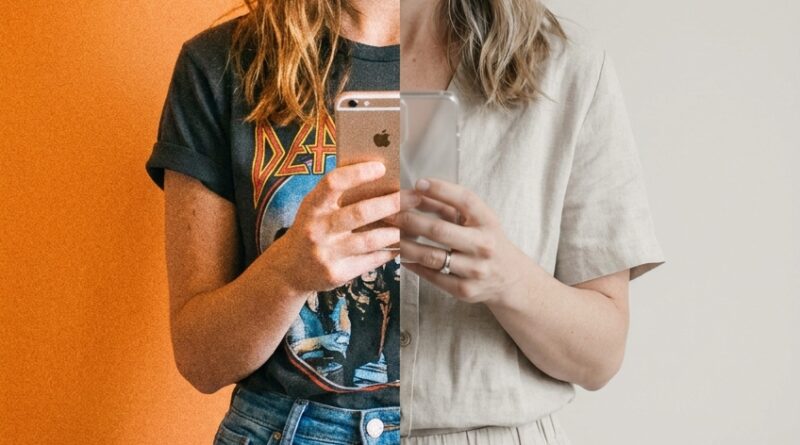
Inside the ‘2026 Is The New 2016’ Flashback: Why Everyone’s Suddenly Time‑Traveling Their Feeds
Your feed is not broken. It just suddenly looks like 2016 again, and if that is making you feel equal parts amused, sentimental, and slightly suspicious, you are not alone. Friends are posting old selfies, blurry concert shots, college dorm pics, first-job outfits, and captions that act like a decade ago was yesterday. The 2026 is the new 2016 social media trend explained in plain English is this: people are using the past to make sense of the present. After years of polished, brand-like posting, a lot of users seem hungry for something looser, warmer, and a little less optimized. This flashback wave is not only about nostalgia. It is also about editing your own story in public, choosing which version of your past still feels true, and showing that person again with a little more control. That is why it feels fun on the surface, but deeper underneath.
⚡ In a Hurry? Key Takeaways
- The 2026 is the new 2016 trend is a nostalgia wave, but it is also people quietly rewriting their online identity.
- If you join in, post with a point. Pick one old photo and add context about what that version of you got right or wrong.
- Keep privacy in mind. Old posts can reveal locations, other people, and details you may not want recirculating now.
Why everyone is suddenly posting like it is 2016
The simple answer is that 2016 now feels far enough away to become story material. It is recent enough to remember clearly, but distant enough to feel safe, almost like a scrapbook instead of a diary.
That matters on social media. People are more likely to share the past when it feels emotionally settled. A decade creates that buffer. It lets users revisit old photos without feeling too exposed.
There is also a style reason. 2016 was peak early-phone-camera chaos. The pictures were less polished. The outfits were more experimental. The captions were often less strategic. Compared with today’s highly managed feeds, those old posts can feel weirdly fresh.
This is nostalgia, but not the lazy kind
When people say a trend is “just nostalgia,” they usually mean it is harmless fun. Sometimes that is true. But this one is doing more work than that.
People are not only reposting old memories. They are choosing specific memories. That choice is the whole story.
Notice what tends to make the cut. It is often the imperfect-but-charming photo. The bad lighting. The old friend group. The apartment with the cheap furniture. The haircut that should not have worked but somehow did. These posts say, “I was less polished then, but maybe I was also more open.”
That is why the trend lands so hard right now. A lot of users are tired of performing a fully upgraded version of themselves every time they open an app.
What the 2026 is the new 2016 social media trend explained really means
If you want the plain version, here it is.
This trend is a public re-edit of personal history.
People are going back through old photos and deciding which parts of their past still count as them. In fandom language, they are deciding what is “canon.” Which era still fits. Which mistakes now look endearing. Which old self deserves to come back into view.
That makes this trend feel lighter than a personal essay but more meaningful than a random throwback. It gives users a way to say, “I have changed, but not everything old should be left behind.”
Why it feels especially right after years of hyper-curated feeds
For a long time, posting online came with pressure. Better lighting. Better angles. Better opinions. Better branding. Even regular people started sounding like tiny marketing departments for their own lives.
Now the mood is shifting.
People want mess back, but only a little. They want honesty, but still with some control. They want softness without losing the ability to choose what gets seen. A decade-old photo is perfect for that. It looks casual, but the act of selecting it is still very intentional.
That balance is why this trend works. It feels spontaneous while being carefully edited. Which, to be fair, is still social media. Just with better emotional packaging.
Who is driving it
People hitting a life checkpoint
If someone was in high school, college, early career, or the middle of a major friendship era in 2016, they now have enough distance to look back and compare versions of themselves. Those life checkpoint users are often the first to post.
Creators tired of perfection
Even people who know how to build a polished feed are leaning into older, rougher content. It feels more human, and right now “human” is performing better than “flawless.”
Everyone else following the emotional cue
Once a few people in a friend group post old photos, others join in. Not because they are copying exactly, but because the mood gives them permission. One flashback post can make ten more people think, “Actually, I have one too.”
What people are really saying when they post an old photo
The caption might be a joke. The image might look casual. But under that, the post is often doing one of these things:
- Testing whether an older version of the self still feels lovable
- Claiming a happier or simpler era during a stressful present
- Showing growth without needing to make a dramatic announcement
- Reconnecting with friends who shared that time
- Softening a current online persona that has become too polished
That is why your feed can suddenly feel like a yearbook and a group therapy session at the same time.
How to join the trend without feeling fake
1. Pick a photo that actually says something
Do not choose only the one where you look best. Pick one that captures a version of you that still matters. Maybe you were fearless. Maybe you were a mess. Maybe you were trying hard in a way you can now appreciate.
2. Add one line of context
The strongest posts usually do more than say “2016 lol.” Try a caption that gives the image a reason to exist now.
Examples:
- “2016 me had no plan, but weirdly great instincts.”
- “I thought I was behind. I was actually starting.”
- “Bringing back the era when I wore this jacket three times a week and believed every problem could be fixed with iced coffee.”
3. Keep it specific, not over-explained
You do not need a memoir under a mirror selfie. One honest sentence is usually enough. Specific beats dramatic.
4. Ask before posting group photos
Old pictures often include people who may not want to be resurfaced online now. A quick text is good manners and can save awkwardness later.
5. Check the background
Street signs, old workplaces, school IDs, license plates, and children’s faces can all show up in flashbacks. Nostalgia is fun. Accidental oversharing is not.
What brands and influencers are learning from this
This trend is also a reminder that people are tired of content that looks too perfect to trust. Older images feel believable. They come with texture. You can see the life in them.
That does not mean every account should force a retro dump. It means audiences are responding to story over polish. If a post feels lived-in, people stop scrolling a little longer.
Regular users can learn from that too. You do not need to look “on brand” all the time. Sometimes the post that connects best is the one that looks like a real memory, because it is.
Why this trend can feel comforting and a little sad
Any flashback trend comes with mixed feelings. You get the warm rush of remembering. You also get the sting of realizing how much has changed.
That emotional split is part of the appeal. People are not only revisiting a nice old moment. They are measuring distance. Who is still here. What was lost. What got better. What they miss. What they do not miss at all.
So if these posts are making you unexpectedly emotional, that makes sense. The trend is built for that exact reaction.
What to watch out for
Romanticizing a time that was not actually great
2016 may look carefree in photos, but photos leave out anxiety, money stress, bad relationships, and all the boring hard parts. It is fine to enjoy the memory. Just do not let a filtered past bully your present.
Turning memory into competition
If your feed starts feeling like a contest for who had the coolest friend group, best outfits, or most iconic glow-up, step back. The healthiest version of this trend is reflective, not performative.
Reopening old loops
Sometimes an old image brings back unresolved feelings. That can be useful, but it can also be a lot. You are allowed to keep some memories private instead of posting them for reaction.
If you want to post intentionally, try these simple formats
- The then-and-now caption: One old photo, one current thought about what changed.
- The lesson post: Share a photo from 2016 and name one thing that version of you knew before you forgot it.
- The myth-busting post: Pair a happy-looking photo with a gentle truth, like “I looked confident here. I was terrified.”
- The gratitude post: Mention a place, friendship, habit, or phase that helped shape you.
These work because they give the throwback a job. It becomes more than bait for likes.
At a Glance: Comparison
| Feature/Aspect | Details | Verdict |
|---|---|---|
| Why it is happening | A mix of nostalgia, identity editing, and burnout from over-polished posting | More meaningful than a basic throwback |
| Best way to join in | Post one old photo with a short, honest caption that adds context | Works better than dumping ten random pics |
| Main caution | Old photos can overshare personal details or stir up feelings you were not expecting | Check privacy and post with intention |
Conclusion
The 2026-is-the-new-2016 flashback is not just a cute photo dump. It is a live experiment in how people rewrite their own timelines, decide which parts of their past are canon, and try out softer, less optimized versions of themselves after years of hyper-curated feeds. That is why the trend feels bigger than the pictures themselves. If you want to join, do it on purpose. Pick a memory that means something. Add a line that tells the truth. Keep the parts you want private, private. When you name the emotional logic behind the trend, you stop posting just to keep up and start using it to say something real. And that, more than the likes, is what makes the whole thing worth sharing.