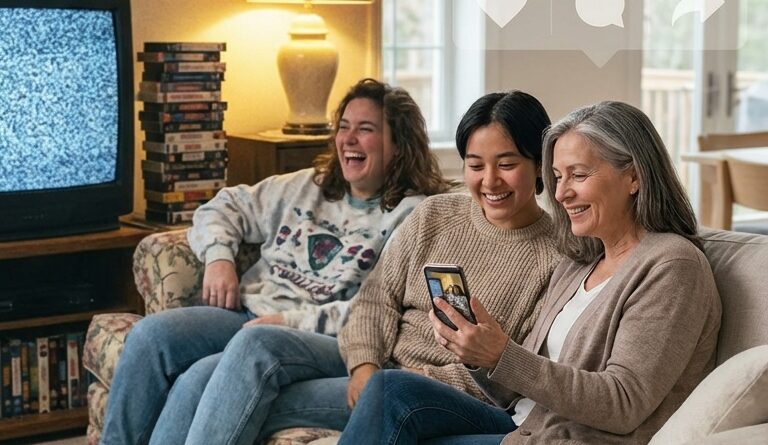
How to Ride Today’s ‘Mom, What Were You Like in the 90s?’ Trend Without Looking Like You’re Begging for Views
You can feel the panic in some of these posts already. A trend pops off, everybody throws on a scrunchie, points the camera at their mom, and suddenly TikTok is full of videos that look the same. That is the problem with the “Mom, what were you like in the 90s?” wave. It works when it feels like a real family memory. It flops when it feels like a rushed costume party built to chase views. Audiences are good at spotting the difference, even if they cannot explain it out loud. If you are wondering how to use the mom what were you like in the 90s tiktok trend without looking desperate, the answer is simple. Stop treating it like a fashion challenge and start treating it like a story prompt. The best videos are not the prettiest ones. They are the ones with one specific detail, one honest reaction, and one tiny piece of family history people have not heard before.
⚡ In a Hurry? Key Takeaways
- Use the trend as a storytelling prompt, not a 90s dress-up skit.
- Build your video around one specific memory, habit, photo, song, or embarrassing detail.
- Real moments beat polished editing here, especially for small creators in the first 24 to 48 hours.
Why so many of these videos already feel tired
The trend itself is not the issue. The copycat behavior is.
Once a few versions do well, creators start copying the surface parts. The hairstyle. The lip sync. The denim jacket. The same punchline. But viewers are not really showing up for bangs and butterfly clips. They are showing up for recognition.
They want to hear, “Your mom sneaked out to meet your dad at the skating rink?” Or, “You kept a pager code sheet in your wallet?” Or, “You recorded songs off the radio and got mad when the DJ talked over the intro?” That is the stuff people comment on, share with siblings, and watch twice.
If your post could be swapped with 500 others and nobody would notice, you do not have a trend video. You have wallpaper.
How to use the mom what were you like in the 90s tiktok trend the smart way
Start with one real question, not a whole performance
The easiest mistake is overproducing it. You do not need a mini movie.
Ask one question that opens a door. Good examples:
- “Mom, what did you wear when you wanted to impress people in the 90s?”
- “Mom, what song made you feel cool in the 90s?”
- “Mom, what was your biggest red flag in the 90s?”
- “Mom, what was your version of going viral in the 90s?”
That gives your subject something human to answer. It is much better than just saying the trend line and hoping the outfit carries the clip.
Use one memory anchor
This is the secret sauce. Pick one thing that proves the story is real.
That anchor could be:
- An old yearbook photo
- A mall story
- A school dance memory
- A specific CD, cassette, or magazine
- A tiny habit, like curling bangs before school or recording voicemail greetings ten times
Specificity makes people trust you. It also makes the video easier to edit because now you know what the clip is actually about.
Keep the setup short
The trend works because it feels casual. If you spend ten seconds setting up the joke, people scroll away.
A good structure is:
- Question on screen in the first second
- Mom answers or reacts right away
- Cut to one detail that proves it
- End on a funny, sweet, or slightly embarrassing line
That is enough. You do not need five outfit shots and three transition effects.
A simple format that works
If you want a repeatable formula, use this:
1. Hook
“Mom, what were you like in the 90s?”
2. Specific follow-up
“Be honest. Were you cool, chaotic, or both?”
3. Proof
Show the photo, tell the story, or include the little detail.
4. Payoff
End with the part that people will quote in comments. Example. “I was banned from calling the radio station because I won too many contests.”
That is a video. It has shape. It feels personal. It gives your audience something to remember.
What small creators can do better than big accounts
This trend is one of those rare moments where polish can actually hurt you.
Big creators often move too fast into production mode. Better lighting. Better wardrobe. Cleaner edits. That can look nice, but it can also strip out the charm. Smaller creators have an advantage because they can post something that feels like a real kitchen conversation or a quick family laugh in the car.
That matters. Especially early in a trend.
In the first 24 to 48 hours, people are not looking for the “best made” version. They are looking for a version that feels true. If your mom starts laughing halfway through. Keep it. If she corrects your version of the story. Even better. If she says something weirdly specific that only makes sense to people who lived it, that is gold.
What not to do if you want watch time
Do not fake nostalgia you do not understand
If your whole angle is borrowed from other videos, viewers can tell. It feels empty fast.
Do not make the outfit the whole joke
Clothes can support the story. They cannot replace one.
Do not over-edit the reaction
Too many cuts can make a real moment feel staged. Let a pause sit there sometimes. That is where the charm lives.
Do not drag it out
A tight 12 to 22 seconds will often beat a bloated 45-second clip.
Good prompts to use instead of copying everyone else
Try these if you want a fresh angle:
- “Mom, what was your most dramatic 90s breakup story?”
- “Mom, what did you do before everybody had cell phones?”
- “Mom, what trend did you think made you look amazing?”
- “Mom, what was your 90s going-out routine?”
- “Mom, what was the most trouble you got into in the 90s?”
- “Mom, what was your favorite low-budget luxury in the 90s?”
These work because they invite detail. Detail creates comments. Comments help distribution.
How to make it fit your brand
You do not need to become a nostalgia account overnight.
If you are a fashion creator, focus on one outfit story and why it mattered. If you are a music creator, ask about the first album she played to death. If you are a parenting creator, use it to compare teen life then versus now. If you are comedy-first, let the humor come from the answer, not from mocking the decade.
The rule is simple. Bend the trend toward your existing voice. Do not bend your whole identity around the trend.
Why authenticity wins harder on this trend than most
This format hits two emotions at once. Curiosity and memory.
Younger viewers are curious about a world before phones did everything. Older viewers are remembering little things they forgot. That is why generic versions feel so disappointing. They tease memory, then deliver props.
Real specificity is what closes the gap. A line about waiting by the house phone is better than a full fake 90s bedroom set. A story about your mom’s mall job is better than a perfect vintage jacket.
That is also why this is such a useful trend for creators who do not have money to burn. You do not need production value. You need an actual memory.
At a Glance: Comparison
| Feature/Aspect | Details | Verdict |
|---|---|---|
| Story vs costume | A specific memory, habit, or photo gives the trend meaning. A costume alone looks copied. | Story wins |
| Editing style | Quick setup, natural reaction, and one payoff line tend to hold attention better than heavy transitions. | Keep it simple |
| Small creator advantage | Raw, believable family moments often outperform polished videos early in a nostalgia trend. | Authenticity beats budget |
Conclusion
If you want to ride this trend without looking like you are begging for views, do less pretending and more remembering. That is the whole game. The 90s nostalgia wave is peaking right now, and plenty of creators are about to flatten it into the same dress-up bit over and over. You do not have to join that pile. Use a simple format, ask a real question, and build the post around one detail only your family could give. That helps you catch the attention spike without damaging your brand or your audience’s trust. It also gives smaller creators a real opening, because on this trend, a true story told plainly can beat a polished production every time. Especially while the trend is still fresh.