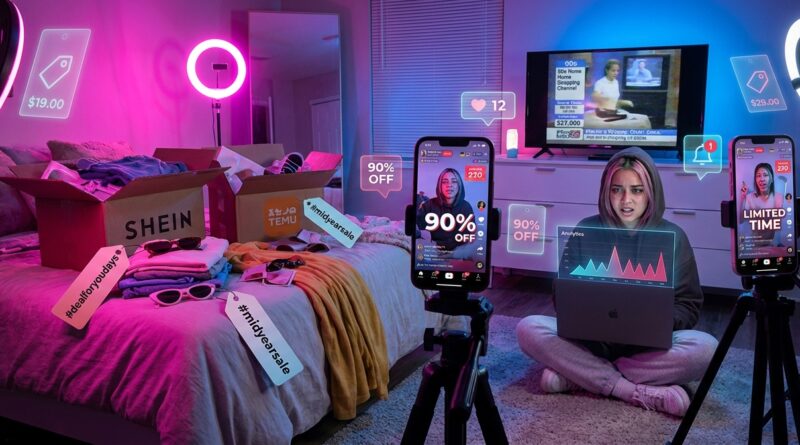
Inside TikTok’s ‘Dealforyoudays’ Gold Rush: How Aggressive Promo Hauls Quietly Rewired What ‘Going Viral’ Means Overnight
If your TikTok For You Page suddenly feels like a loud outlet mall, you are not imagining it. A lot of people opened the app expecting recipes, jokes, beauty tips, or niche drama and got hit with countdown timers, “run, don’t walk” voiceovers, and endless outfit hauls tagged #dealforyoudays. It is annoying, a little dizzying, and honestly confusing if you thought “viral” still meant cultural buzz. Right now, the TikTok dealforyoudays trend shows something bigger. TikTok Shop is pushing a version of virality that rewards urgency, cheap price framing, and fast product demos more than slow-burn creativity. That does not mean every creator has sold out or every shopping post is bad. It means the rules of attention have shifted. If you are a viewer, creator, or small brand, it helps to see what is actually happening so you can decide whether to join the promo wave or step away from it on purpose.
⚡ In a Hurry? Key Takeaways
- The TikTok dealforyoudays trend is less a normal trend and more a sales event that changed what the algorithm rewards.
- Creators should test both styles. Use promo-friendly edits if you want reach, but keep some slower, story-led posts if you want trust and long-term audience loyalty.
- Viewers should treat urgency carefully. Countdown deals and haul videos are built to trigger fast buying, not calm decision-making.
Why your feed suddenly feels like nonstop shopping
TikTok has always mixed entertainment with commerce, but TikTok Shop turned that mix way up. During promo pushes like #dealforyoudays, the app starts feeling less like a place where trends happen naturally and more like a giant live storefront.
You see the pattern fast. A creator holds up three dresses. Quick cuts. Big text on screen. “Only today.” “Under $20.” “Cart is going crazy.” “TikTok made me buy this.” It is not random. This style is built for the current system.
The important shift is this. Going viral used to mean people wanted to copy a joke, use a sound, or react to a moment. Now, for many posts, “viral” means people pause long enough to watch a product demo, feel a little pressure, and tap the shopping link.
What the TikTok dealforyoudays trend really is
Despite the hashtag looking like just another seasonal campaign, the TikTok dealforyoudays trend is really a behavior-training event. It teaches creators what formats get boosted. It teaches viewers what to expect from the feed. And it teaches brands what kind of content is most likely to convert quickly.
It rewards urgency over curiosity
Classic viral content often starts with curiosity. What happened here? Why is everyone using this sound? Why is this story blowing up?
Shopping event content starts with urgency. How much is it? How long is the sale? Will it sell out? That is a totally different emotional engine.
It rewards price framing over personality
That does not mean personality is gone. It just means personality often becomes the wrapper around a deal. The real hook is usually the discount, the bundle, or the before-and-after value pitch.
It rewards speed over atmosphere
Fast outfit transitions, quick close-ups, and clipped voiceovers work because they compress the buying pitch into seconds. Slow setup can feel almost out of place in these promo windows.
How TikTok quietly changed the meaning of “viral”
This is the part many people feel before they can explain it. The app still looks the same, but the incentives underneath it have changed.
For years, creators chased shares, comments, remixes, and trend participation. Now many are also chasing product clicks, affiliate commission, and platform support for shop content. If a shopping post gets stronger distribution than a personal story or comedy sketch, the definition of success starts to shift almost overnight.
That is why so many feeds now feel repetitive. When one editing formula converts, copycats appear immediately. Then you get hashtag cousins like #dealsforyouday and #midyearsale. They are not always identical campaigns, but they borrow the same visual language. Same urgency. Same pacing. Same “must-grab” energy.
The editing style is part of the sales pitch
A lot of viewers think they are just reacting to “too many ads.” It is a bit more specific than that. They are reacting to a new entertainment grammar.
Common signs of QVC-style TikTok editing
Look for these patterns:
- Text overlays with price drops in the first second
- Rapid outfit changes instead of one full styling story
- Voiceovers built around scarcity, like “before it sells out”
- Side-by-side comparisons that flatten nuance into “worth it” or “not worth it”
- Comment bait such as “which color should I keep?” to push engagement and shopping interest at the same time
None of this is accidental. It is a clean, easy-to-repeat format. And because it is easy to copy, it spreads fast.
Why creators are leaning into it
For creators, this is not always about greed or selling out. Sometimes it is simple math.
Organic reach is hard. Brand deals can be inconsistent. Affiliate income from TikTok Shop can feel more immediate and more controllable. If one promo haul pays better than five regular videos, people notice. Fast.
There is also pressure from the platform itself. If creators see shopping content getting more views, more comments, and more direct revenue, they adapt. That is what creators do. They follow the signals.
The upside for creators
There is real upside here:
- Quick monetization
- Easy repeatable formats
- Clear campaign hooks
- Better odds of short-term reach during promo windows
The downside for creators
But there is a cost:
- Audience fatigue
- Loss of personal voice
- Trust issues if every post feels like a sales pitch
- Feeds that blend into everyone else’s
That last one matters more than it seems. If your content becomes interchangeable, you may win short-term clicks but lose the reason people followed you in the first place.
What it means for small brands
Small brands are in a weird spot. On one hand, this environment can be a gift. A product with a good hook, decent margin, and a creator-friendly format can move quickly. On the other hand, the pressure to discount hard and shout louder can eat into brand identity.
If you are a small brand, the temptation is obvious. Copy the fast cuts. Add the countdown. Push the sale. That can work. But if every brand uses the same promo template, buyers stop remembering who sold what.
The better question is not just “Can we join this?” It is “Can people still tell it is us?”
What viewers should watch out for
If you are just trying to enjoy TikTok without being nudged into impulse buys, it helps to know what the app is doing to your attention.
Urgency short-circuits good buying decisions
“Today only” language creates pressure. Even when a discount is real, the framing can make average products feel essential.
Fast edits can hide weak information
When cuts are rapid and every second has text on screen, it is harder to notice what is missing. Fabric quality. Return policy. Long-term durability. Whether the creator actually used the item for more than five minutes.
Repeated exposure makes sales content feel normal
This is the quiet part. Once your feed is full of haul videos, you stop seeing them as interruptions. They start to feel like the default form of entertainment. That is a big cultural shift.
Should creators copy the trend or go the other way?
There is no single right answer. It depends on what you want.
If you want short-term growth
Learning the promo format makes sense. Use stronger first-second hooks, clearer product framing, and tighter edits. During sales events, that language is what the platform and audience are primed to respond to.
If you want long-term trust
Do not let every post sound like a clearance aisle. Mix in slower videos. Show real use. Tell a story. Explain why something matters beyond the price.
Ironically, as more feeds get crowded with promo hauls, calm and thoughtful content can stand out more. A video that breathes can feel like relief.
A practical playbook for creators and brands
1. Separate “conversion” content from “connection” content
Not every post needs to sell. Make some posts to drive clicks. Make others to remind people who you are.
2. Use promo editing on purpose, not by default
Quick cuts and countdowns are tools. They are not a personality.
3. Test slower storytelling posts during promo-heavy weeks
This sounds backward, but it can work. When everyone else is yelling, a steady voice gets noticed.
4. Protect audience trust
If something is sponsored, say so clearly. If you have not used the product much, do not fake certainty. People can forgive a sales post. They do not easily forgive feeling tricked.
5. Watch your own feed like a viewer would
If your page looks like 20 versions of the same haul, your audience is probably feeling the fatigue before you are.
At a Glance: Comparison
| Feature/Aspect | Details | Verdict |
|---|---|---|
| What “viral” means now | Less about shared cultural moments, more about content that holds attention long enough to push a sale or product click. | A real platform shift, not just a passing hashtag fad. |
| Best style for creators | Promo-style edits can boost short-term reach, while slower story-led content builds trust and identity. | Use both, but do not let sales formatting take over your whole voice. |
| Impact on viewers | Feeds become more repetitive and urgency-driven, making impulse buying easier and genuine discovery harder. | Worth noticing so you can shop more carefully and scroll more intentionally. |
Conclusion
The big takeaway is simple. The TikTok dealforyoudays trend is not just another quirky hashtag moment. It is a structural shift in how attention gets shaped on the app. Mid-year promo tags like #dealforyoudays, #dealsforyouday, and #midyearsale are teaching audiences to treat urgency, discount framing, and fast outfit transitions as normal entertainment. Once you see that, the feed makes a lot more sense. It also gives you choices. Creators and small brands can lean into this QVC-style language when it fits their goals, or they can push in the other direction with calmer, more story-driven posts that feel human in an over-promoted scroll. Either way, understanding the mechanics matters. You do not have to be cynical about it. You just need to see the machine clearly enough to decide how much of it you want in your work, your shopping, and your screen time.